



Flange
langes can be defined as an important element used to connect pipes, valves, pumps and other equipment together. They are one of the safety systems used to connect piping systems to various equipment. In addition flanges, which are the second most widely used joining method available today, provide various advantages to the system in which they are used. According to the place of use, it can be made of different materials such as brass, copper, iron. One of them is that it provides convenience by offering flexibility when maintaining pipe systems. As YENA Engineering, we manufacture any type of flanges and pipe spools according to your demands.
Our Factory
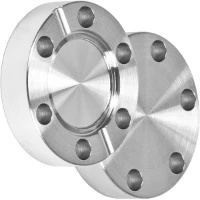
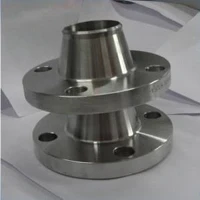
Located in Mengcun county knows as hometown of elbows and pipe fittings in China, it enjoys convenient transportation with only 120 kilometers to Xingang Port on the north and 260 kilometers to Beijing Capital International Airport on the northwest. The company covers an area of more than18,000 square meters and has about 50,000,000 yuan in fixed assets.We specialize in forged flanges and butt welded pipe fittings. Our main products are welding neck flange, slip on flange, blind flange, plate flange, socket welding flange, lap joint flange, elbow of short and long radius in 45/90/180 degrees, equal and reducing tee, concentric and eccentric reducer and cap. These products are made according to international standards as ANSI(ASME), DIN, JIS, BS, GOST, EN1092, AWWA, SABS. We can also make non-standard, special-designed items according to customers requirements. The materials we supply are carbon steel, stainless steel of different grades.
Why Choose Us
Production Equipment
Our company equips hydraulic press machine of 3500T,CNC ring rolling machine of 2500D,7 forging hammers, 7 large bandsaw,lathes and drillers for the making of forged flanges at maximum diameter of 2800MM.
Quality Control
These products are manufactured in accordance with international standards such as ANSI (ASME), DIN, JIS, BS, GOST, EN1092, AWWA, SABS, etc.
Our Certificate
ISO9001 3A CE.
Our Service
Fine quality, competitive price, timely delivery, good reputation and years of experience in this field have well established us as reliable suppler to customers all over the world.
Related Product

Product Name: Astm A105 Flange lily@yongxingflange.com yanglily1126@gmail.com CANGZHOU HANGXIN FLANGE CO.,LIMITED is a A105 carbon steel flange manufacturer,we supply the best price exporter of ASTM A105 flanges,we are carbon steel A105N flat flanges and ASTM A105 carbon steel EN 1092-1 Flange Trader in China.
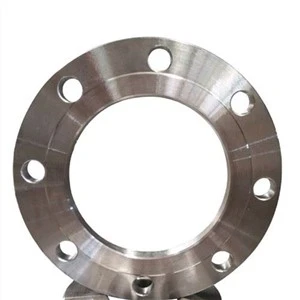
Sale BS4504 PN 10 Steel Flange
Product Name:Factory Sale BS4504 PN 10 Steel Flange lily@yongxingflange.com yanglily1126@gmail.com CANGZHOU HANGXIN FLANGE CO.,LIMITED is the world's largest supplier of steel flanges and the company's largest export base.
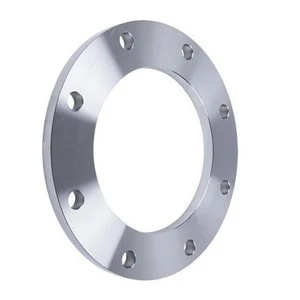
Product Name:BS4504 carbon steel Flanges in China Manufacturing BS4504 carbon steel Flanges in China, We holds a wide range of carbon steel Plate Flange in all Thickness, stock for immediate despatch throughout China.
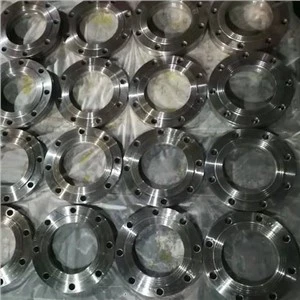
Product Name: Carbon Steeel BS4504 Flange In China lily@yongxingflange.com yanglily1126@gmail.com Applications: it remains in use for the dimensions of light duty, economy carbon steel flanges in applications Water, shipbuilding, petrochemical, gas, electricity, valves, general pipeline connection projects, etc.
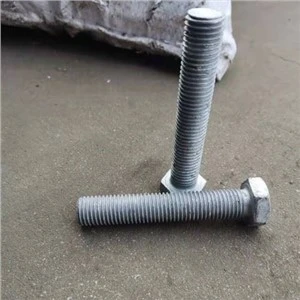
Product Name: Carbon Steeel Flange In China Applications: Water, shipbuilding, petrochemical, gas, electricity, valves, general pipeline connection projects, etc.
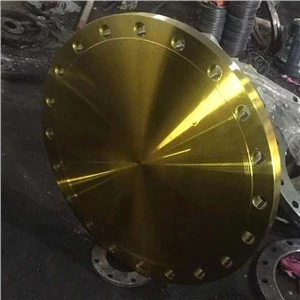
CANGZHOU HANGXING FLANGE CO.,LIMITED ,we produce steel flange and fittings.ANSI ,GOST,DIN,JIS ,BS and other standards as customer requirement. Email:sandy@yongxingflange.com Whatsapp/Wechat:0086 15127785550
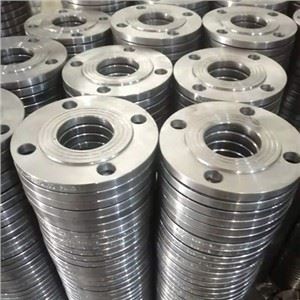
Product Name: Carbon Steel Flange In Chinalily@yongxingflange.com yanglily1126@gmail.com A flange is a forged or cast steel ring, it designed to connect the mechanical part of a pipeline or any other equipment.
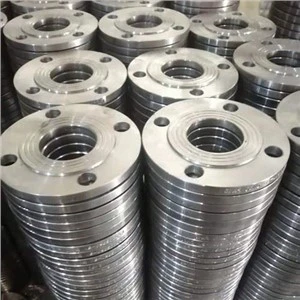
Product Name: Factory Sale Steel Flange In China CANGZHOU HANGXIN FLANGE CO.,LIMITED, Supplier, and Exporters of Carbon Steel Flanges in China. Our qualitative range of Carbon Steel Flanges is exclusively designed for several piping applications of various industries.
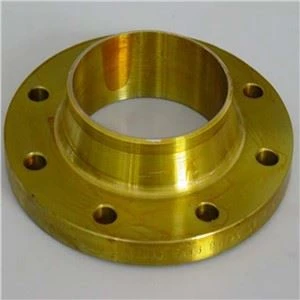
DIN PN16 steel Flange designs: Weld neck flange (WN flange), slip-on flange(SO flange), lap joint flange(LJ flange), socket weld flange(SW flange), threaded flange(TH flange), blind flange(BL flange).
What is Flange
langes can be defined as an important element used to connect pipes, valves, pumps and other equipment together. They are one of the safety systems used to connect piping systems to various equipment. In addition flanges, which are the second most widely used joining method available today, provide various advantages to the system in which they are used. According to the place of use, it can be made of different materials such as brass, copper, iron. One of them is that it provides convenience by offering flexibility when maintaining pipe systems. As YENA Engineering, we manufacture any type of flanges and pipe spools according to your demands.
Benefits Of Flange
Easy installation and maintenance
Flanges are easy to install and remove, which makes them ideal for applications where frequent maintenance or modification is required. This also makes it easy to replace damaged components, which can reduce downtime.
Versatility
Flanges come in a variety of sizes, materials, and pressure ratings, which makes them versatile and suitable for a wide range of applications.
Leak prevention
Flanges help prevent leaks in piping systems by providing a tight seal between the connected components. This helps to ensure the safety of the system and prevent damage to the surrounding environment.
Load distribution
Flanges help distribute the load of the piping system across a larger area, which reduces stress on the connected components. This helps to ensure the longevity of the piping system and prevent failures.
Types of Flange
Welding Neck Flange
The weld neck flanges, which are connected to the pipes by welding face to face, are connected like flat flanges in order to ensure complete tightness.The difference between weld neck flanges and flat flanges arises due to the type of connection found. Decoiler flanges. They are joined to the pipes found by welding forehead to forehead. Sealing, on the other hand, is provided in the same way as with flat flanges.
Slip-On Flange
They are the flanges where the connection is provided by welding to the pipes located on the line both from the front and from the back. Decoupled flanges are connected to each other using bolt holes on them, and sealing is achieved by placing a gasket between the two flanges.
Socket Weld Flange
These flanges are used in the parts where pipelines are connected to machines. Because they can move on the line, they qualify as free flanges. After the free flanges are passed on the line, the collar is welded to the end of the pipe to prevent the flange from coming out of the pipe. There are no gaskets on the free flanges. Seal pressing surfaces are provided thanks to the surfaces located on the collars.
Threaded Flange
Threaded flanges, which are mainly used in lines where the pressure is low, are usually used together with nipples that are welded to the end of the line. These types of flanges, which are used by being welded to the nipples at the end of the line, have the same structure as flat flanges in other parts.
Petrochemical Industry
Flanges are used at the joints of pipelines in refineries, chemical plants, and petrochemical facilities. Flanges provide secure connections in systems operating at high pressures and temperatures.
Power Generation
Flanges play an important role in power generation facilities such as power plants, nuclear plants, hydroelectric plants, and thermal plants. They are used at the joints of pipelines, pumps, turbines, and other equipment to ensure secure and durable connections.
Marine Industry
In the shipbuilding and marine industry, flanges are used between pipelines, cooling systems, fuel systems, and other marine equipment. This ensures the safe and effective integration of ship operating systems.
Water and Wastewater Treatment
Flanges are widely used in water treatment plants, wastewater treatment plants, and sewer systems. Flanges are used to establish connections between pipelines, pumps, valves, and other equipment.
Construction and Manufacturing
Flanges are used in the construction of industrial facilities and manufacturing processes. They provide secure connections at the joints of pipelines, air ducts, equipment, and structural components.
Different Face of A Flange to Connect

Raised Face (RF)
These flanges have an inner bore circle gasket and a tiny elevated portion around the bore. There are raised face flanges for various pressure and temperature ratings. Also, the most prevalent form of flange used in the oil and gas and chemical engineering sectors is RF flanges.
Male and Female Face (M&F)
To hold the gasket in place, these flanges have elevated parts and matching grooves. However, gasket retention happens on the female face, offering more precise positioning and a wider range of materials.
Tongue and Groove (T&G)
The grooves and raised areas on these flanges mirror those on the male and female face flanges. This facilitates installation because the design encourages self-alignment of the flanges and creates a reservoir for gasket glue.
Flat Face
As their name implies, flat face flanges have an even, flat surface. They also have a full-face gasket covering most of the flange surface.
Ring Joint Face (RTJ)
This face type, used in high-pressure and temperature applications, has a notch in which a metal gasket is placed to maintain the seal.
How to Choose Flange
The first and most crucial aspect to consider when choosing stainless steel flanges is the material grade. Stainless steel is available in various grades, each with its own unique properties and characteristics. The most commonly used grades for flanges are 304 and 316 stainless steel. Both of these grades offer excellent corrosion resistance and durability. However, 316 stainless steel is more resistant to chloride-induced corrosion, making it ideal for applications in environments with high chloride levels, such as marine and coastal areas. Consider the specific requirements of your application and choose a flange made from the appropriate material grade for optimal performance.
There are several types of stainless steel flanges available, including slip-on, blind, weld neck, socket weld, and threaded flanges. Each type has its own advantages and use cases. It is crucial to identify the flange type that best suits your application and ensure that it complies with relevant industry standards, such as ANSI (American National Standards Institute) and ASTM (American Society for Testing and Materials). Choosing flanges that meet these standards ensures their quality, reliability, and compatibility with other components, providing a safe and efficient installation.
Another important factor to consider when choosing stainless steel flanges is the size and pressure rating. Flanges come in different sizes, ranging from half-inch to several feet in diameter. It is essential to accurately determine the required size based on the pipe dimensions and application requirements. Additionally, consider the pressure rating, which indicates the maximum pressure the flange can withstand without failure. Choosing the correct size and pressure rating is crucial to ensure a leak-free and efficient system.
The end connection of a flange plays a vital role in its installation and performance. The two most common types of end connections are raised face (RF) flanges and flat face (FF) flanges. RF flanges have a raised surface that aligns with the sealing gasket, providing a better sealing arrangement. On the other hand, FF flanges have a flat surface, which is suitable for non-metallic gaskets. Consider the type of gasket and sealing system you will be using and choose the appropriate end connection for optimal sealing and performance.
Lastly, when selecting stainless steel flanges, ensure that you choose a reputable supplier that provides high-quality products. Look for suppliers who have a track record of manufacturing reliable flanges and have comprehensive quality control processes in place. A reliable supplier will also be able to offer technical assistance and guidance in selecting the best flanges for your specific needs.
Process of Flange
Material Selection
Picking the right flange materials is the first stage in the machining process. The most popular materials for making flanges are alloy steel, carbon steel, or stainless steel. However, the ideal material often depends on the application's temperature, pressure, and corrosion resistance needs.
Material Cutting and Shaping
Following selection, the material is sliced and formed. Big metal plates are cut into smaller pieces to get the right size for the flange. The produced parts are then heated to the proper temperature to prepare them for further processing.
Heat Treatment
Depending on the material and purpose of a flange, the flanges may undergo heat treatment methods such as annealing, quenching, or tempering. Heat treatment boosts the flange's mechanical properties while enhancing its resilience, toughness, and resistance to wear and corrosion.
Forming and Forging
The heating process makes the metal components malleable, facilitating the proper flange shape development. Machinists utilize different methods to forge the flange, including hot forging and cold forging. The metal is formed at room temperature in cold forging, while hot forging involves forming heated material/metal under high pressure.
Machining
After the initial cutting and shaping, the flange is machined to achieve precise tolerances and to refine its dimensions. This operation includes facing sealing surfaces, chamfering edges, and drilling holes for bolt connections. CNC (Computer Numerical Control) machines are often used for automated and precision machining.
Surface Finish
Flanges might undergo surface finishing operations like grinding or polishing to achieve the desired smoothness, remove surface defects, and improve their overall look.
Inspection and Quality Control
Quality control is an important stage in the production of flanges. Flanges undergo a thorough examination process to ensure they comply with the appropriate norms and specifications. Inspecting for quality control includes measurement inspections, finishes and surface analyses, and non-destructive testing methods like ultrasound or magnetic particle analysis.
How to Maintain Flange
Always inspect
Regular inspections are the cornerstone of flange maintenance. It's like checking your car's tire pressure before a long drive. Look for signs of corrosion, leaks, or any loose bolts.
Be thorough in cleaning
Cleaning your flanges is like cleaning your house. You don't want dirt and debris to accumulate. Use appropriate methods to remove rust and contaminants. Clean flanges make for better seals.
Correct bolting is crucial
Just like you make sure you fasten your seatbelt properly, make sure you correctly tighten the flange bolts. Follow the manufacturer's guidelines for twisting and tensioning.
Ensure alignment
Flanges must align perfectly for a tight seal. Imagine trying to put two puzzle pieces together - if they don't align, they won't fit. Use laser alignment tools to ensure a snug connection.
Ensure corrosion protection
Think of corrosion protection like putting a raincoat on your flanges. Coatings and cathodic protection systems can help prevent corrosion and extend the life of your flanges.
Factory pictures


Certificate


FAQ
Hot Tags: flange, China flange manufacturers, suppliers, factory, Steel Threaded Flange, plate flange, slip on flange, bulk steel flange, Din Standard Flanges, thick wall steel flange


Send Inquiry
