



Class600 Weld Neck Flange
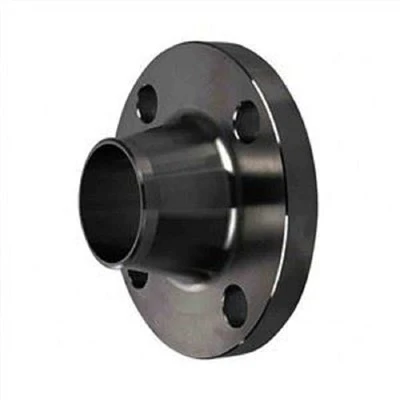
A Class600 weld neck flange has a long tapered hub that transitions smoothly to the pipe or fitting it is welded to. It is typically butt-welded to the line, meaning the end is inserted into the flange and then welded around the circumference. This creates a strong and leak-proof joint. The hub also reinforces the flange, making it less susceptible to distortion or damage.Weld neck flanges are commonly used in applications where strength and integrity are paramount. This includes petrochemical, oil and gas, and power generation industries. They are also available in various materials-including carbon, stainless, and alloy steel-to handle different requirements.
Our Factory
Located in Mengcun county knows as hometown of elbows and pipe fittings in China, it enjoys convenient transportation with only 120 kilometers to Xingang Port on the north and 260 kilometers to Beijing Capital International Airport on the northwest. The company covers an area of more than18,000 square meters and has about 50,000,000 yuan in fixed assets.We specialize in forged flanges and butt welded pipe fittings. Our main products are welding neck flange, slip on flange, blind flange, plate flange, socket welding flange, lap joint flange, elbow of short and long radius in 45/90/180 degrees, equal and reducing tee, concentric and eccentric reducer and cap. These products are made according to international standards as ANSI(ASME), DIN, JIS, BS, GOST, EN1092, AWWA, SABS. We can also make non-standard, special-designed items according to customers requirements. The materials we supply are carbon steel, stainless steel of different grades.
Why Choose Us
Production Equipment
Our company equips hydraulic press machine of 3500T,CNC ring rolling machine of 2500D,7 forging hammers, 7 large bandsaw,lathes and drillers for the making of forged flanges at maximum diameter of 2800MM.
Quality Control
These products are manufactured in accordance with international standards such as ANSI (ASME), DIN, JIS, BS, GOST, EN1092, AWWA, SABS, etc.
Our Certificate
ISO9001 3A CE.
Our Service
Fine quality, competitive price, timely delivery, good reputation and years of experience in this field have well established us as reliable suppler to customers all over the world.
Related Product

Product Name: Astm A105 Flange lily@yongxingflange.com yanglily1126@gmail.com CANGZHOU HANGXIN FLANGE CO.,LIMITED is a A105 carbon steel flange manufacturer,we supply the best price exporter of ASTM A105 flanges,we are carbon steel A105N flat flanges and ASTM A105 carbon steel EN 1092-1 Flange Trader in China.
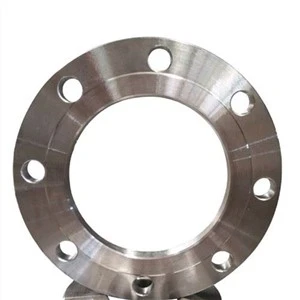
Sale BS4504 PN 10 Steel Flange
Product Name: Factory Sale BS4504 PN 10 Steel Flange lily@yongxingflange.com yanglily1126@gmail.com CANGZHOU HANGXIN FLANGE CO.,LIMITED is the world's largest supplier of steel flanges and the company's largest export base.
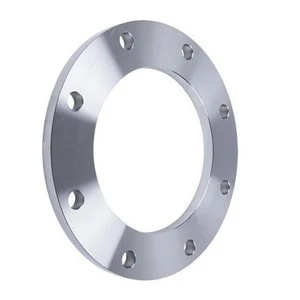
Product Name: BS4504 carbon steel Flanges in China Manufacturing BS4504 carbon steel Flanges in China, We holds a wide range of carbon steel Plate Flange in all Thickness, stock for immediate despatch throughout China.
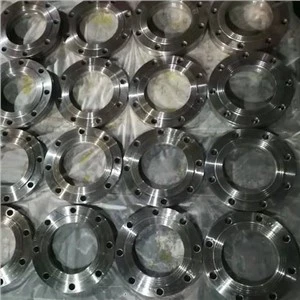
Product Name: Carbon Steeel BS4504 Flange In China lily@yongxingflange.com yanglily1126@gmail.com Applications: it remains in use for the dimensions of light duty, economy carbon steel flanges in applications Water, shipbuilding, petrochemical, gas, electricity, valves, general pipeline connection projects, etc.
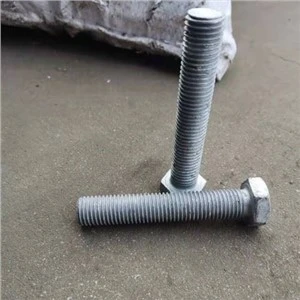
Product Name: Carbon Steeel Flange In China Applications: Water, shipbuilding, petrochemical, gas, electricity, valves, general pipeline connection projects, etc.
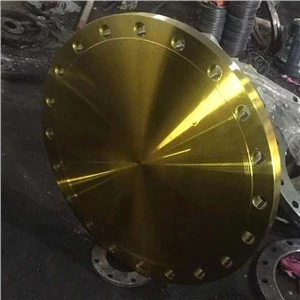
CANGZHOU HANGXING FLANGE CO.,LIMITED ,we produce steel flange and fittings.ANSI ,GOST,DIN,JIS ,BS and other standards as customer requirement. Email:sandy@yongxingflange.com Whatsapp/Wechat:0086 15127785550
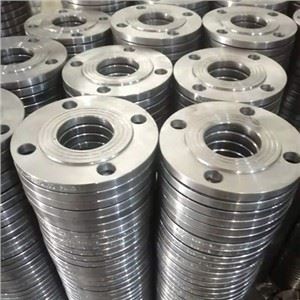
Product Name: Carbon Steel Flange In Chinalily@yongxingflange.com yanglily1126@gmail.com A flange is a forged or cast steel ring, it designed to connect the mechanical part of a pipeline or any other equipment.
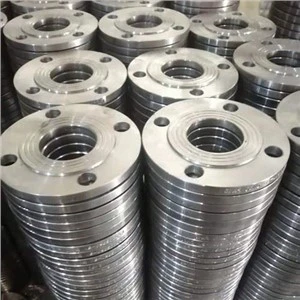
Product Name: Factory Sale Steel Flange In China CANGZHOU HANGXIN FLANGE CO.,LIMITED, Supplier, and Exporters of Carbon Steel Flanges in China. Our qualitative range of Carbon Steel Flanges is exclusively designed for several piping applications of various industries.
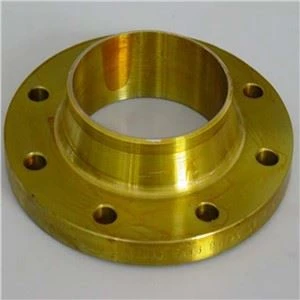
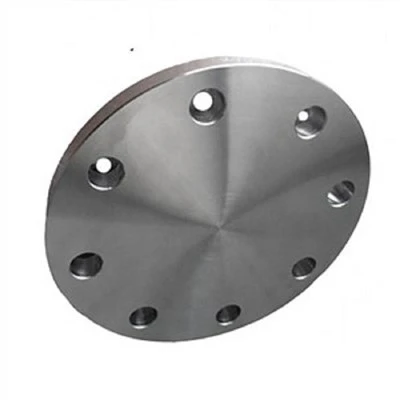
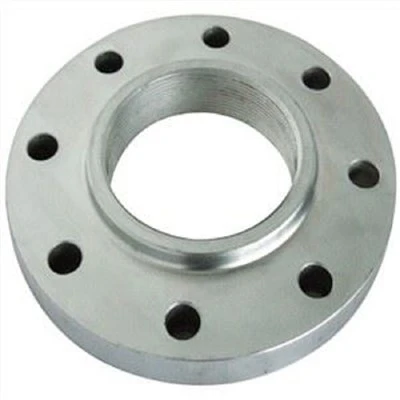
DIN PN16 steel Flange designs: Weld neck flange (WN flange), slip-on flange(SO flange), lap joint flange(LJ flange), socket weld flange(SW flange), threaded flange(TH flange), blind flange(BL flange).
What is Class600 Weld Neck Flange
A Class600 weld neck flange has a long tapered hub that transitions smoothly to the pipe or fitting it is welded to. It is typically butt-welded to the line, meaning the end is inserted into the flange and then welded around the circumference. This creates a strong and leak-proof joint. The hub also reinforces the flange, making it less susceptible to distortion or damage.Weld neck flanges are commonly used in applications where strength and integrity are paramount. This includes petrochemical, oil and gas, and power generation industries. They are also available in various materials-including carbon, stainless, and alloy steel-to handle different requirements.
Benefits of Class600 Weld Neck Flange
Superior Strength
Weld neck flanges are incredibly strong due to their welded neck design, making them ideal for high-pressure and high-temperature applications. They are often required selections over threaded or slip on styles due to their superior integrity.
Leak Resistance
Their precision welding ensures a tight seal, minimizing the risk of leaks and providing enhanced safety.
Reduced Stress Concentration
The smooth transition from the flange to the pipe reduces stress concentration, preventing cracks and failures.
Alignment Accuracy
Weld neck flanges facilitate precise alignment of pipes, resulting in better flow and reduced turbulence.
Enhanced Durability
Given their size/shape, these flanges typically have a longer lifespan due to their resistance to wear, corrosion, and erosion.
Reduced Maintenance
With fewer chances of leaks and failures, maintenance costs are lower than other flange types.
Improved Flow Characteristics
The smooth bore of weld neck flanges reduces pressure drop and turbulence, enhancing fluid flow.
Easy to Align, Install, and Test
Weld neck flanges can easily align to the pipe network in which it gets installed, resulting in a more robust weld. Also, the flange design makes it very accessible when inspecting the integrity of the weld via radiography testing.
Types of Class600 Weld Neck Flange
Long Weld Neck Flange
The long welding neck flange is a variant of the conventional welding neck flange and is extended in size.Its most popular applications are as a nozzle for columns and barrels, available in two distinct models: the Equal LWN Barrel and the LWN Heavy Barrel, which both have a sturdy wall structure and individual shapes.
Reducing Weld Neck Flange
This type of welding neck flange gets its title "reducing"due to its decreasing neck diameter designed to weld to reduced-sized pipes.
NW Long Weld Neck Flanges
This type of flange is known as a high-hub flange and is designed to transfer stress to the pipe while also reducing the stress concentration at the base of the flange.
Application of Class600 Weld Neck Flange
In offshore platforms, the class600 weld neck flange connect piping systems that transport oil and gas from the seabed to the surface. They can withstand harsh environmental conditions, including strong currents, corrosive saltwater, and challenging weather. Similarly, they are widely used in refineries and processing plants in onshore oil and gas operations.
The petrochemical and chemical sectors frequently encounter high pressures, corrosive substances, and extreme temperatures. The class600 weld neck flange establish connections between pipes and valves used in refining and handling chemicals, petroleum, and gas. Due to their robust construction and ability to prevent leaks, they are well-suited for these challenging industrial applications.
Stainless steel class600 weld neck flange are preferred in pharmaceutical and food processing applications due to their corrosion resistance and ease of cleaning. They are also compatible with stringent cleaning agents and disinfectants. In addition, their smooth surface finish minimizes the accumulation of residue and bacteria, facilitating sterilization procedures.
Thermal, nuclear, and renewable energy facilities heavily rely on class600 weld neck flange to establish secure connections in critical elements. These include steam lines, condensers, turbines, and other components. The class600 weld neck flange are also employed to guarantee leak-free joints and endure the effects of elevated temperatures and high pressures.
Weld neck class600 weld neck flange are employed in the fuel systems of ships and marine vessels. They connect the fuel pipelines, ensuring a secure transfer from storage tanks to engines. This is important given the criticality of fuel supply for propulsion and power generation in marine operations.
Weld Neck Flange Dimensions

The 1/2" NPS flange has an outside diameter of 3.50" with four bolt holes, an inside diameter of 0.62", and a raised face thickness of 1.88".
For 3/4"NPS flanges, the inner diameter is 0.82"while the outer diameter is 3.88" with a raised face thickness of 2.06" and four holes for bolts.
The 1"NPS weld neck flange has an outer diameter of 4.25", an inside diameter of 1.05", with raised face thickness of 2.19", and the standard number of bolt holes is four.
The 2"NPS weld neck flange has an inner diameter of 2.07" and an outer diameter of 6.00" with a raised face thickness of 2.50".
The 5" NPS flange has an inner diameter of 5.05" and an outer diameter of 10.00", with the raised face having a thickness of 3.50".
The 6" NPS flange has an inside diameter of 6.065" and an outer diameter of 11.00" with a raised face thickness of 3.50".
For 10" NPS flanges, the inner diameter is 10.02,"and the outer diameter is 16", with the raised face having a thickness of 4.00".
The 20" NPS flange has an inner diameter of 19.25" and an outer diameter of 27.50" with a raised face thickness of 5.69".
Lastly, the 24" NPS weld neck flange has an interior diameter of 23.25" and an outer diameter of 32.00".

Material
Forged carbon steel pipe flanges are the most common type present within the market. Additionally, you can find flanges manufactured from stainless steel, aluminum, cast iron, and bronze. You may also find flanges with specialty metals such as chrome-moly, Inconel, and Monel. The type of material used depends on the industrial application and piping systems. This is to ensure that they are strong and durable enough in the long run. However, in most instances, the flange is of the same material as the pipes.
Size
For a proper fit, you may need to look into your flange size and dimensions. You may need to be keen on how the flange interfaces with the gaskets and pipes to ensure an ideal size.
Classifications
All flanges fall under different categories specified by ASME or ASTM standards. A specific flange type's characteristic will significantly impact how it performs across a range of industrial environments. Steel pipes are available in a variety of styles and pressure classes. The metal flanges are classified from 150 to 2500 # rating.
Flange Types
Flanges come in different types for industrial use. You may need to carefully choose an ideal flange design that fits with your piping systems. The most common types of flanges used in the petrochemical industry are:Lap joint flange.
Process of Class600 Weld Neck Flange
Material and Equipment Selection
The welding materials required for weld neck flange welding mainly include welding wires and welding rods. Choosing welding materials that are suitable for the pipeline material and operating conditions is crucial. For instance, when welding high-temperature pipelines, heat-resistant welding materials capable of withstanding high temperatures should be selected. Additionally, welding equipment such as arc welding machines and gas shielded welding machines must comply with operational requirements to ensure the stability and safety of the welding process.
Preparation of Welding Surfaces
Thorough preparation and cleaning of the welding surfaces are essential before weld neck flange welding. The welding surfaces must be completely free of grease, dust, and other impurities to prevent the occurrence of porosity or poor welding quality. Moreover, the surface of the welding surfaces should be smooth and flat to ensure the firmness and sealing of the weld joint. Grinding and cleaning can be employed to prepare the welding surfaces, ensuring the smoothness and flatness of the weld joint.
Welding Techniques Mastery
Proficient mastery of welding techniques is crucial to ensure welding quality. Welding techniques involve factors such as welding current, welding speed, and welding temperature. Adjusting welding parameters according to the type and thickness of the pipeline material, as well as specific welding requirements, is essential. For example, when welding thick-walled pipelines, increasing welding current and speed is necessary to ensure welding quality.
Quality Inspection and Acceptance
After completing the weld neck flange welding, quality inspection and acceptance must be conducted. Commonly used quality inspection methods include X-ray inspection, ultrasonic testing, magnetic particle inspection, etc. These inspection methods enable the timely detection of welding defects, cracks, porosity, and other issues, ensuring welding quality and safety. Only welding quality that passes acceptance can ensure the safe operation of pipeline systems.
How to Maintain Class600 Weld Neck Flange
Visual inspections
Regularly inspect class600 weld neck flange connections for signs of leakage, corrosion, or damage. Check for loose bolts, distorted gaskets, or class600 weld neck flange face erosion. Address any abnormalities promptly.
Bolt tightening
Over time, bolts may loosen due to vibration or thermal cycling. Implement a regular bolt tightening schedule using proper torque values. Consider using torque-indicating devices or tensioning methods for accurate bolt preload.
Gasket replacement
Gaskets can degrade or fail over time, leading to leaks. Monitor gasket condition and replace as necessary. Choose gaskets compatible with the fluid, temperature, and pressure conditions in your system.
Class600 weld neck flange face cleaning
Keep class600 weld neck flange faces clean and free from debris, dirt, or residual gasket material. Use appropriate cleaning methods to avoid damaging the class600 weld neck flange surface. Ensure that the class600 weld neck flange face is smooth and flat for proper sealing.
Lubrication and corrosion protection
Apply suitable lubricants to bolts and nuts to facilitate proper tightening and prevent seizing. Utilize corrosion protection methods such as coatings or inhibitors to safeguard class600 weld neck flange against corrosion.
Factory pictures


Certificate


FAQ
Hot Tags: class600 weld neck flange, China class600 weld neck flange manufacturers, suppliers, factory, slip on flange, mss steel flange, Steel Threaded Flange, plate flange, Large Diameter Steel Flanges, Steel Plate Flange




Send Inquiry
