



Carbon Steel Pipe Fitting
Carbon steel pipe fitting includes casting fitting and carbon steel butt weld pipe fitting. Zhouji heavy industries co., LTD produces is just carbon steel butt weld pipe fitting. Carbon steel pipe fitting as the name suggests it is component of pipeline usually used for the transportation of oil & gas, petroleum industry, chemical industry, power plant, ship building industry and so on. Carbon steel pipe fitting plays very important function in pipelines which can change the direction of pipes, connect two or three pipes from different directions. Because it is used mach up the pipes that request the size and wall thickness of pipe fitting is same as pipes. Not only these the material must be same as well.
Our Factory
Located in Mengcun county knows as hometown of elbows and pipe fittings in China, it enjoys convenient transportation with only 120 kilometers to Xingang Port on the north and 260 kilometers to Beijing Capital International Airport on the northwest. The company covers an area of more than18,000 square meters and has about 50,000,000 yuan in fixed assets.We specialize in forged flanges and butt welded pipe fittings. Our main products are welding neck flange, slip on flange, blind flange, plate flange, socket welding flange, lap joint flange, elbow of short and long radius in 45/90/180 degrees, equal and reducing tee, concentric and eccentric reducer and cap. These products are made according to international standards as ANSI(ASME), DIN, JIS, BS, GOST, EN1092, AWWA, SABS. We can also make non-standard, special-designed items according to customers requirements. The materials we supply are carbon steel, stainless steel of different grades.
Why Choose Us
Production Equipment
Our company equips hydraulic press machine of 3500T,CNC ring rolling machine of 2500D,7 forging hammers, 7 large bandsaw,lathes and drillers for the making of forged flanges at maximum diameter of 2800MM.
Quality Control
These products are manufactured in accordance with international standards such as ANSI (ASME), DIN, JIS, BS, GOST, EN1092, AWWA, SABS, etc.
Our Certificate
ISO9001 3A CE.
Our Service
Fine quality, competitive price, timely delivery, good reputation and years of experience in this field have well established us as reliable suppler to customers all over the world.
Related Product

Product Name: Astm A105 Flange lily@yongxingflange.com yanglily1126@gmail.com CANGZHOU HANGXIN FLANGE CO.,LIMITED is a A105 carbon steel flange manufacturer,we supply the best price exporter of ASTM A105 flanges,we are carbon steel A105N flat flanges and ASTM A105 carbon steel EN 1092-1 Flange Trader in China.
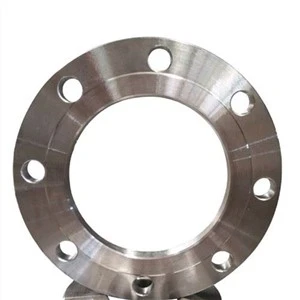
Sale BS4504 PN 10 Steel Flange
Product Name: Factory Sale BS4504 PN 10 Steel Flange lily@yongxingflange.com yanglily1126@gmail.com CANGZHOU HANGXIN FLANGE CO.,LIMITED is the world's largest supplier of steel flanges and the company's largest export base.
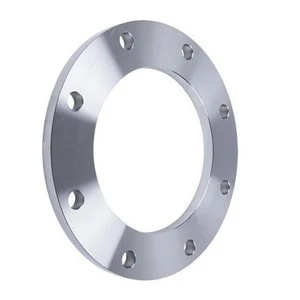
Product Name: BS4504 carbon steel Flanges in China Manufacturing BS4504 carbon steel Flanges in China, We holds a wide range of carbon steel Plate Flange in all Thickness, stock for immediate despatch throughout China.
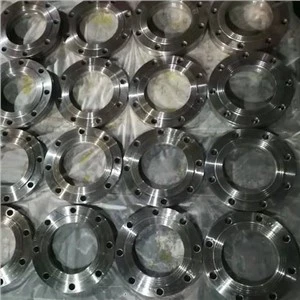
Product Name: Carbon Steeel BS4504 Flange In China lily@yongxingflange.com yanglily1126@gmail.com Applications: it remains in use for the dimensions of light duty, economy carbon steel flanges in applications Water, shipbuilding, petrochemical, gas, electricity, valves, general pipeline connection projects, etc.
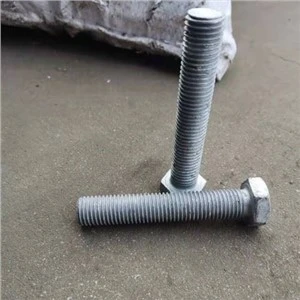
Product Name: Carbon Steeel Flange In China Applications: Water, shipbuilding, petrochemical, gas, electricity, valves, general pipeline connection projects, etc.
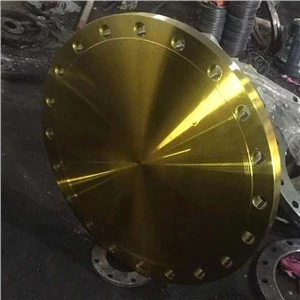
CANGZHOU HANGXING FLANGE CO.,LIMITED ,we produce steel flange and fittings.ANSI ,GOST,DIN,JIS ,BS and other standards as customer requirement. Email:sandy@yongxingflange.com Whatsapp/Wechat:0086 15127785550
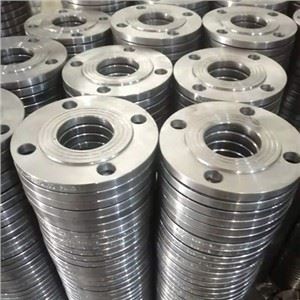
Product Name: Carbon Steel Flange In Chinalily@yongxingflange.com yanglily1126@gmail.com A flange is a forged or cast steel ring, it designed to connect the mechanical part of a pipeline or any other equipment.
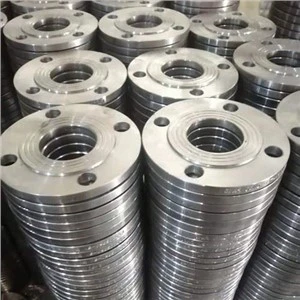
Product Name: Factory Sale Steel Flange In China CANGZHOU HANGXIN FLANGE CO.,LIMITED, Supplier, and Exporters of Carbon Steel Flanges in China. Our qualitative range of Carbon Steel Flanges is exclusively designed for several piping applications of various industries.
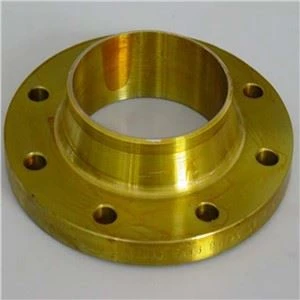
DIN PN16 steel Flange designs: Weld neck flange (WN flange), slip-on flange(SO flange), lap joint flange(LJ flange), socket weld flange(SW flange), threaded flange(TH flange), blind flange(BL flange).
What is Carbon Steel Pipe Fitting
Carbon steel pipe fitting includes casting fitting and carbon steel butt weld pipe fitting. Zhouji heavy industries co., LTD produces is just carbon steel butt weld pipe fitting. Carbon steel pipe fitting as the name suggests it is component of pipeline usually used for the transportation of oil & gas, petroleum industry, chemical industry, power plant, ship building industry and so on. Carbon steel pipe fitting plays very important function in pipelines which can change the direction of pipes, connect two or three pipes from different directions. Because it is used mach up the pipes that request the size and wall thickness of pipe fitting is same as pipes. Not only these the material must be same as well.
Benefits of Carbon Steel Pipe Fitting
Strength and durability
One of the primary advantages of carbon steel pipes is their exceptional strength and durability. Carbon steel, when compared to other materials, exhibits high tensile strength, allowing pipes to withstand heavy loads and pressures. This inherent strength makes carbon steel pipe fitting suitable for a wide range of applications, from transporting fluids in industrial settings to underground pipelines in the oil and gas industry.the durability of carbon steel pipe fitting is also evident in their resistance to external factors such as impact and vibrations.
Corrosion resistance
Corrosion is a significant concern in the design and maintenance of pipes, especially those used in industries such as chemical processing, water treatment, and offshore drilling. Carbon steel pipe fitting are known for their excellent corrosion resistance, particularly when coated with protective layers.the addition of coatings, such as epoxy or zinc, provides an additional barrier against corrosion, ensuring that the pipes remain intact even in corrosive environments. This resistance to corrosion enhances the longevity of carbon steel pipe fitting and reduces the need for frequent replacements or repairs.
Cost-effectiveness
Cost-effectiveness is a crucial factor in any construction or infrastructure project. Carbon steel pipe fitting offer a cost-effective solution for many applications due to the abundance and affordability of raw materials. The manufacturing processes for carbon steel pipe fitting are well-established, contributing to lower production costs compared to some alternative materials.furthermore, the durability and longevity of carbon steel pipe fitting translate into reduced maintenance and replacement costs over time. This makes carbon steel an economically viable choice for industries looking to balance performance with budget considerations.
Ease of installation
Carbon steel pipe fitting are known for their ease of installation, making them a preferred choice in various construction projects. Their relatively lightweight nature simplifies handling and transportation, contributing to overall installation efficiency. Additionally, carbon steel pipes are available in various sizes and dimensions, allowing for customization based on specific project requirements.the ease of welding and joining carbon steel pipe fitting further enhances their installation flexibility. This adaptability is particularly beneficial in projects where intricate piping systems or unconventional layouts are necessary.
Application of Carbon Steel Pipe Fitting
Construction and Building Engineering
Carbon steel pipes fitting are used in the supports and frames of building structures, such as stair handrails, railings, brackets, and ductwork.
Oil and Gas Transmission
Carbon steel pipes fitting are used in the oil and gas industry to transport, distribute and store oil and gas. These pipelines can be used in crude oil pipelines, natural gas transmission pipelines and refinery facilities.
Heating, Ventilation and Air Conditioning (HVAC) Systems
Carbon steel pipes fitting are used in heating, cooling, ventilation and air conditioning systems, including water supply, heating and air conditioning ducts.
Water Treatment
Carbon steel pipes fitting play a key role in the water supply and wastewater treatment fields, used to transport drinking water, treat wastewater and discharge water.
Chemical Industry
Carbon steel pipes fitting are used for the transfer and handling of chemicals in chemical plants, pharmaceutical plants, and other industrial applications.
Manufacturing
In manufacturing, carbon steel pipes fitting are often used to make components for machinery, vehicles, conveyor belts and other industrial equipment.
How to Choose Carbon Steel Pipe Fitting
Calculate the Cost and Lead Time
Finally, consider the fittings' cost and lead time before making the final decision. You need to balance the cost with the quality and durability of the fittings. You want to maintain the piping system's efficiency and safety for a lower cost. You also need to check the manufacturer's lead time and your piping system's urgency to ensure that the fittings would arrive on time.
Choose the Right Material
Carbon steel pipe fittings come in different materials depending on their application. For instance, these products come in Stainless Steel, Monel, Inconel, Incoloy, and Alloy 20. Stainless steel fittings are popular for durability, while Inconel fittings are the best for handling high pressure and temperature. Knowing your piping system's required material compatibility is crucial to make the right decision.
Consider the Fittings Specifications
These products are manufactured according to industry standards such as ASTM, ASME, ANSI, and API standards, with each specification carrying its essential features, sizes, and shapes. Choosing a fitting that meets the specifications required by your piping system is essential. You may need a consultation with an engineer to determine the specific specification required.
Pick a Trusted Supplier
Choosing a reputable supplier is crucial when selecting carbon steel pipe fittings. Selecting a supplier with a good reputation for high-quality, durable, and reliable pipe fittings is vital. A good supplier would also have the right certifications and be able to provide you with the correct technical support. You can read online reviews, check out their website, and contact customer service to know their products' reliability and credibility.
Common Connection Methods of Carbon Steel Pipe Fitting


Welding connection
Butt Weld: This is one of the most common connection methods, especially suitable for large diameter and high pressure pipes. The two ends of the pipe are prepared with bevels and then joined together by welding.Socket Weld: Forming a groove at the end of a pipe, inserting another pipe into it, and finally connecting by welding. Typically used on smaller diameter pipes and low pressure systems.
Threaded connection
Internally threaded connection: Two sections of pipe are threaded together by cutting threads into the inner surface of the pipe and then using a threaded joint. Commonly used on smaller diameter pipes and low pressure systems.Externally threaded connection: Similar to internally threaded connection, but the threads are formed on the outside surface of the pipe.
Flange connection
Flanges are installed at both ends of the pipe, and the flanges are then connected together with bolts. Flange connections are typically used in systems that require frequent disassembly and maintenance.
Pressure connection
Pressure fittings use pressure and seals to join pipes together without the need for welding. This includes pressure flanges and pressure pipe connections.
Clamp connection
Clamp connections are made by sliding pipe clamps together and then connecting them with bolts or other fasteners. This type of connection is suitable for smaller diameter pipes, such as pipe supports.
Card sleeve connection
The ferrule connection is to connect two sections of pipeline by applying ferrules on the pipeline and fixing them with bolts or welding.
Blanking
The mild steel pipe materials is used primarily for pipe, process, and bars, the shape of the blank to select the cutting method based on the material properties and product. Blank shape, size and other requirements according to different process requirements.
Forming (welding)
For all pipe manufacturing process, the steel pipe cross-section is an indispensable process. Due to the forming process of the different products is different, you need a longer length.
Heat treatment
The heat treatment process is an important part of the pipe manufacturing. Heat treatment step of heating, insulation and cooling, eliminating the forming process of hardening, residual stress and deformation defects of metal pipe after forming the metal structure, performance of a steel pipe network, restored to the state or its performance in the deformation processing will be improved.
Surface treatment
Pipe surface treatment is usually by sandblasting, shot blasting, grinding, pickling method to remove the product surface rust, scratches and other products to achieve a smooth surface to meet the follow-up processing, and inspection requirements.
Cutting
Cutting pipe, soldering end, structural size, geometric tolerance machining processes. Also includes some pipe cutting, the diameter of processing. The cutting machine is mainly via a dedicated machine or universal; oversized structural steel pipe, when the existing machine capacity can not meet the processing requirements, you can also use other methods to complete processing, such as large diameter elbow with gas cutting, grinding method.
Non-destructive testing
Non-destructive testing is an important process of the possible defects of the test materials and fittings processing. The majority of pipe product standards for the requirements of the non-destructive testing requirements, but requirements are not consistent. In addition to meeting the product standards and ordering requirements, nondestructive testing, more stringent on quality control factory to develop non-destructive testing requirements according to the materials, processes, and internal quality control requirements in order to ensure the quality of manufactured products.
How to Maintain Carbon Steel Pipe Fitting
One of the most important things you can do to maintain your pipe fittings is to keep them clean. This means removing any dirt, debris, and other particles that may have accumulated on the surface of the fittings. You can do this by using a soft cloth or a brush. If necessary, you can also use a mild detergent solution to help remove any stubborn stains. Rinse the fittings thoroughly after cleaning to remove any soap residue.
Another key way to protect your pipe fittings is by applying a protective coating to the surface. This can help to prevent corrosion and other forms of damage over time. You can use a variety of coatings, including paint, epoxy, and polyurethane. If you're not sure which type of coating is best for your fittings, speak to a professional or consult the manufacturer's recommendations.
To catch any signs of wear and tear early, it's important to inspect your pipe fittings regularly. Look for signs of corrosion, cracks, or other types of damage. If you notice any issues, address them as soon as possible to prevent the damage from worsening.
To avoid damaging your carbon steel pipe fittings, handle them carefully when installing or removing them. Never use excessive force or pressure, as this can cause them to become misaligned or crack. Also, use the correct tools and equipment when working with these fittings to avoid damaging them accidentally.
Factory pictures


Certificate


FAQ
Hot Tags: carbon steel pipe fitting, China carbon steel pipe fitting manufacturers, suppliers, factory, wear resistant steel flange, ring type joint flange, Reducing Tee Pipe Fitting, thin wall steel flange, non standard steel flange, Carbon Steel Jis 10k Flange


Send Inquiry
