




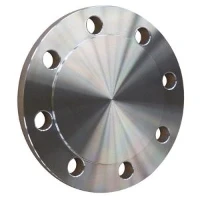
ANSI Standard Class150 Steel Flange
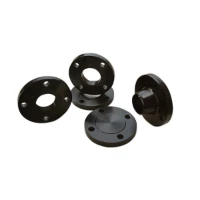
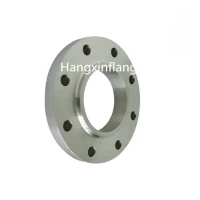
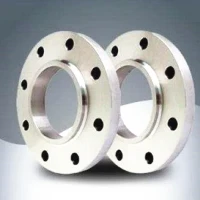
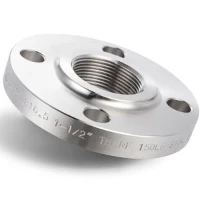
A Class 150 raised face flange connects pipes, valves, and pumps with a bolted joint that's easy to take apart for maintenance. Built to ASME B16.5, this forged steel fitting handles moderate pressure in commercial building systems, water lines, and industrial piping.
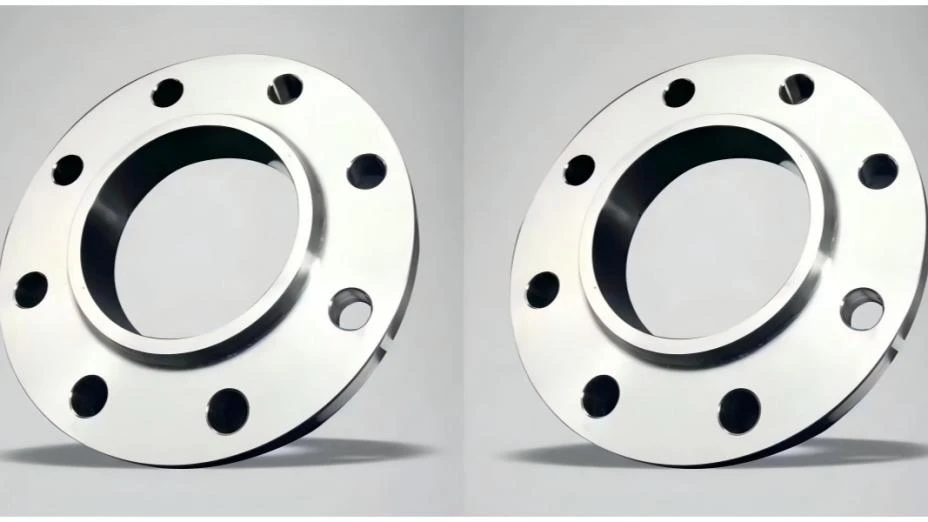
What Exactly Is a Class 150 Flange?
A flange is a round steel disc with bolt holes around the edge. Simple part, big job. It connects two pipes together, or attaches a pipe to a valve, pump, or pressure vessel. The beauty of a flanged connection? You can take it apart later. No cutting, no re-welding – just unbolt, fix what's broken, bolt it back.
Our ANSI Standard Class150 Steel Flange is manufactured to ASME B16.5, the benchmark specification for pipe flanges in North America.
This standard is recognized by OSHA and referenced in most U.S. state building codes. The "Class 150" rating puts it at PN20 – roughly 1960 kPa (285 psi) at ambient temperature. For commercial buildings, water systems, HVAC, and general industrial piping, this is the most common pressure class you'll encounter.
Materials – What We Use and Why
Steel selection makes or breaks a flange. Here's what we offer and where each grade performs best.
This is the industry standard for carbon steel flanges. It's tough, handles high pressure, and offers good weldability. We use it for water lines, oil and gas gathering, fire protection, and general construction where corrosion isn't a primary concern. Every batch gets heat-treated so you get consistent hardness and mechanical properties across the entire order.
When corrosion resistance is non-negotiable, stainless is the answer. F304 handles most chemical exposure and food-grade applications. F316 adds molybdenum – that extra alloy gives you better protection against chlorides and saltwater. Think coastal installations, chemical processing plants, and marine environments.
We keep mill test reports on every batch. Full traceability, from the steel mill to your job site. If your project requires material certification, we've got it on file.
Raised face. That raised ring on the flange face? It's not decorative. It concentrates gasket pressure for a tighter seal with less bolt torque. We machine the face finish to B16.5 specs so the gasket seats properly.
Precision machining. Bore diameter, bolt hole spacing, facing – everything is cut to ASME B16.5 tolerances. When you bolt up, holes align. No wrestling misaligned flanges on installation day.
Pressure-temperature ratings. Class 150 is rated 285 psi at 100°F. At 400°F, it's 180 psi. If your system runs hotter, check the derating curve – or just send us your operating conditions and we'll confirm the fit.
Every ANSI Standard Class150 Steel Flange we ship meets the same dimensional tolerances and pressure rating requirements. One piece or a full container – the spec doesn't change.
Where These Flanges Go – Real-World Applications
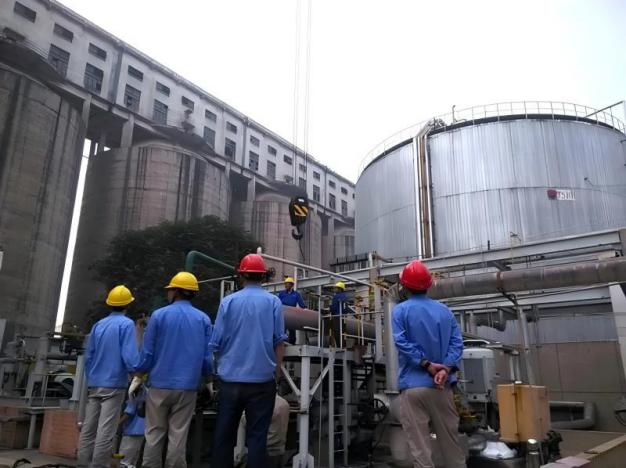
You'll find Class 150 flanges throughout commercial and industrial buildings. Here are the most common spots.
Chilled water systems
Large buildings run chilled water from central plants to air handlers on every floor. Flanges connect pumps, strainers, control valves, and expansion joints along those loops. One leak means shutting down cooling for half the building. Reliable connections are not optional.
Hot water heating
Boiler plants use flanges at circulator pumps, expansion tanks, heat exchangers, and coil connections. Daily temperature swings – from cold startup to full operating heat – put thermal stress on joints. The flange material needs to handle expansion without loosening bolts over time.
Cooling towers
Rooftop towers live outside in rain, sun, and wind. The pipe headers that distribute water across the tower fill use flanged connections so maintenance crews can access nozzles and valves. Clogged nozzle? Replace it with a wrench, not a welding torch.
Fire sprinkler risers
Every multistory building has vertical risers feeding sprinklers on each floor. Class 150 flanges are standard at the riser base, floor tie-ins, and fire pump connections. Building codes require these joints to hold pressure for decades. Fire marshals inspect them. Flanged connections make inspection straightforward and replacement simple.
Standpipe systems
High-rise buildings give firefighters water access through standpipe outlets on each floor. Flanged connections at each outlet point need to be serviceable. When a valve fails, you unbolt and replace it – no cutting, no hot work permits.
Pump rooms
Mechanical rooms are tight. Equipment is packed in. Flanges let maintenance teams disconnect pumps for overhaul without cutting pipe. In a crowded mechanical room, that serviceability is a real advantage.
Beyond buildings – water treatment plants, oil and gas gathering lines, chemical transfer systems, and power plant cooling circuits all use the same Class 150 flanges.
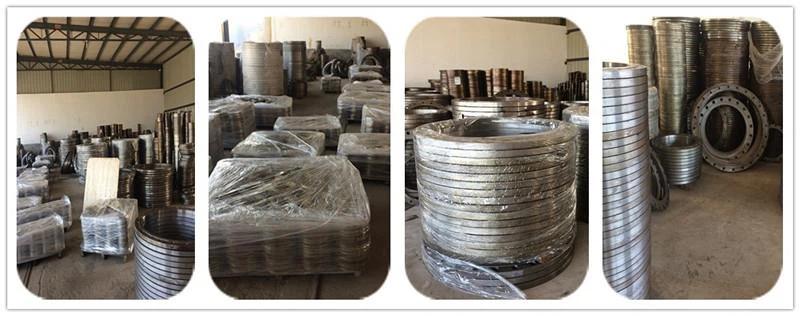
Two Jobs That Show How We Work
Real projects. Real deadlines. Real solutions.
Thailand – 18-Day Delivery for a Government Water Project
The situation. A client in Bangkok had a problem. Their supplier dropped the ball and they were staring at a government-imposed deadline for a new water treatment facility. The project had to comply with Thai Industrial Standards Institute (TISI) requirements. They needed 240 pieces of 8" Class 150 slip-on flanges in carbon steel. Delivery needed in 18 days.
The challenge. Normal production for that quantity runs about 25 days. Sea freight from China to Thailand adds another 5-7 days. Simple math – it wasn't going to work.
What we did. We reshuffled our entire production schedule. Their order went to the front of the line. Forging shop worked extra shifts on the 3500T press. Machining team dedicated two lathes exclusively to this job. We finished production in 10 days. Then we skipped sea freight – air-freighted the whole pallet from Beijing to Bangkok.
The result. Client hit their government inspection deadline. They passed. And they've ordered from us three more times since then.
Why this matters to you. If you're in a hurry, tell us upfront. We'll figure out a way.
France – Custom Stainless for a Chemical Plant
The situation. A buyer in Lyon found us online. Their chemical plant processes aggressive acids under French Ministry of Ecology oversight. Their existing stainless flanges started pitting after 14 months. Not acceptable for a facility with regular government inspections.
The challenge. They needed F316L low-carbon stainless – better resistance to intergranular corrosion after welding. But the spec went beyond material grade. They required specific grain size, controlled heat treatment protocols, and 100% ultrasonic testing on every flange. Not random sampling – every single piece.
What we did. We sourced certified F316L billets from a mill they approved. Ran a dedicated production batch with extra inspection hold points. Their quality inspector verified dimensions and test results at each stage. We conducted 100% ultrasonic testing and provided individual reports with photos of each flange's stamp marking.
The result. The full order took 35 days – longer than standard, but they wanted full traceability, not speed. The flanges have been operating for over two years now. No pitting. No corrosion issues.
Why this matters to you. We handle custom specs. Non-standard bore tolerance? Uncommon material? Special testing requirements? Send your drawing. If we can forge it, we'll quote it.
How We Manufacture These Flanges
Cutting. Steel bars are cut to billet size on our band saws. Exact measurements, no guessing.
Heating. Billets go into a controlled furnace. Temperature is monitored to reach forging consistency without burning the material.
Forging. This is where the steel gets stronger. Our 3500T hydraulic press and 2500D CNC ring rolling machine shape the hot steel. Forging aligns the internal grain structure – makes the flange more resistant to fatigue and cracking than machined-from-solid alternatives.
Heat treatment. Stress relief and normalization. This locks in hardness, toughness, and ductility. For some alloys we do it twice – once after forging, again after rough machining.
Machining. Lathes and drillers cut the final dimensions – bore, flange face, bolt holes. We use calibrated gauges throughout.
Inspection. Visual checks plus dimensional measurement. When required – ultrasonic testing, magnetic particle inspection, or other NDT methods.
Marking and coating. Each flange is stamped with size, material grade, and pressure class. Then a protective anti-rust coating goes on for ocean shipping.
We've been in this business since 1993. Over 30 years manufacturing flanges and pipe fittings.
Our parent company, CANGZHOU HANGXIN FLANGE, is based in Mengcun County, Hebei – an area known as the "elbow and pipe fitting hometown" in China. That location matters. The entire supply chain is local. Raw materials, tooling, skilled labor – it's all right there.
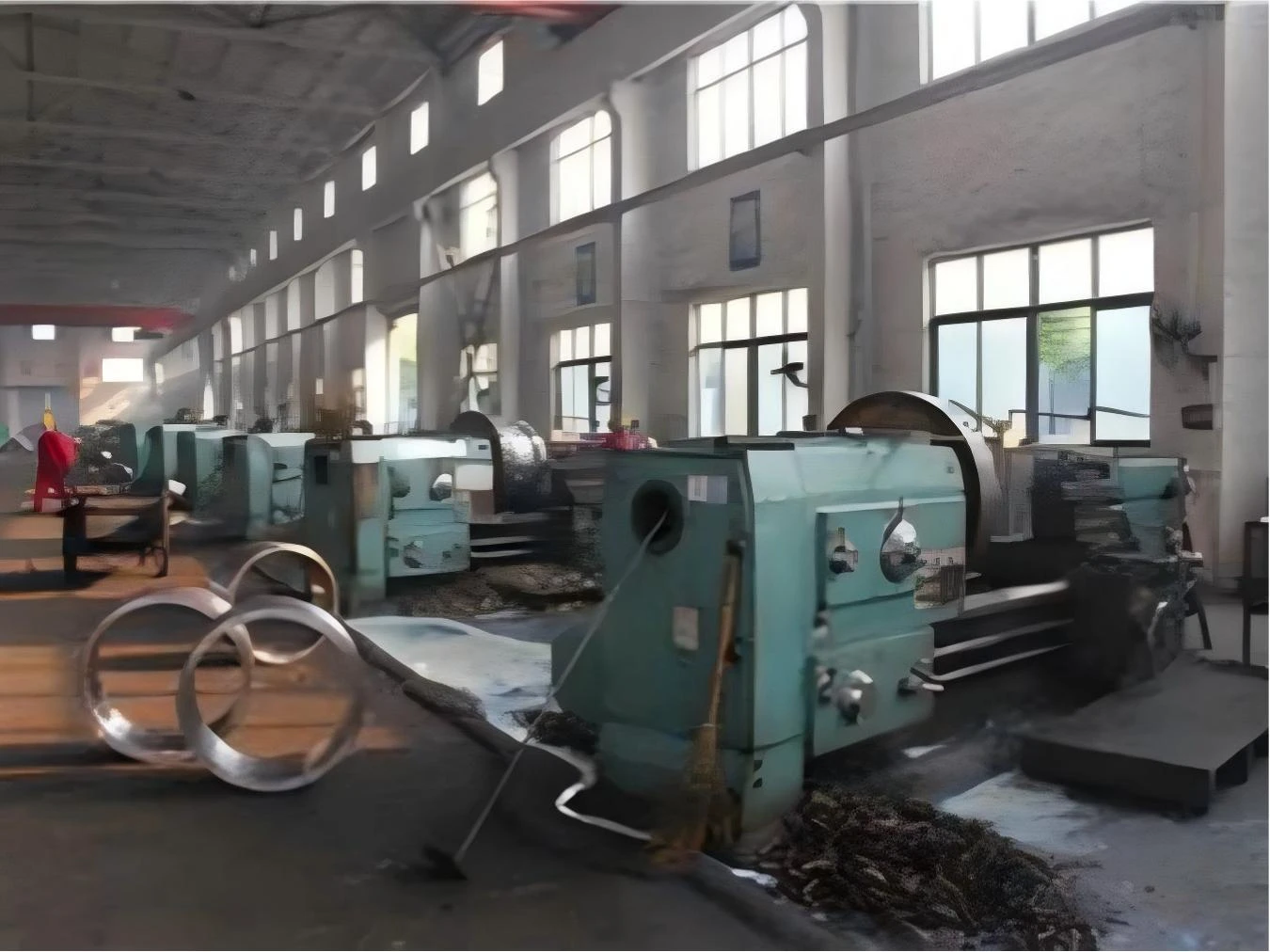
Key milestones:
Started as a small forging workshop
First export order: blind flanges to South Korea
Expanded to current 18,000m² facility
Installed 2500D CNC ring rolling machine, enabling flanges up to 2800mm diameter
Annual output reached 13,000 tons
ISO9001 and CE certifications added
We export to Russia, South Korea, France, Dubai, Southeast Asia, Spain, Israel, Thailand, South America – pretty much anywhere pipelines are built. Our export team handles shipping logistics, customs documentation, and third-party inspection arrangements when required. You don't need to worry about the paperwork.
Dimensional Specifications – ASME B16.5 Class 150
Figure 1: Standard dimensions for raised face slip-on and weld neck flanges. For socket welding or blind flange variations, bore dimensions differ – contact us for specific drawings.
|
NPS |
Flange OD (in) |
Bolt Circle (in) |
Bolts |
Bolt Hole Size (in) |
Bore (in) |
RF Height (in) |
|
½ |
3.50 |
2.38 |
4 |
0.62 |
0.62 |
0.06 |
|
¾ |
3.88 |
2.75 |
4 |
0.62 |
0.82 |
0.06 |
|
1 |
4.25 |
3.12 |
4 |
0.62 |
1.05 |
0.06 |
|
1¼ |
4.62 |
3.50 |
4 |
0.62 |
1.38 |
0.06 |
|
1½ |
5.00 |
3.88 |
4 |
0.62 |
1.61 |
0.06 |
|
2 |
6.00 |
4.75 |
4 |
0.75 |
2.07 |
0.06 |
|
2½ |
7.00 |
5.50 |
4 |
0.75 |
2.47 |
0.06 |
|
3 |
7.50 |
6.00 |
4 |
0.75 |
3.07 |
0.06 |
|
4 |
9.00 |
7.50 |
8 |
0.75 |
4.03 |
0.06 |
|
6 |
11.00 |
9.50 |
8 |
0.88 |
6.07 |
0.06 |
|
8 |
13.50 |
11.75 |
8 |
0.88 |
7.98 |
0.06 |
|
10 |
16.00 |
14.25 |
12 |
1.00 |
10.02 |
0.06 |
|
12 |
19.00 |
17.00 |
12 |
1.00 |
12.00 |
0.06 |
Questions Buyers Typically Ask
Q: Class 150 vs Class 300 – which one do I actually need?
A: Check your system pressure and temperature. Class 150 gives you about 285 psi at ambient, dropping to 180 psi at 400°F. If your operating conditions stay under that curve, Class 150 is the right fit. If you're running hotter or higher pressure, step up to Class 300. Send us your spec sheet and we'll confirm the right class in five minutes.
Q: What's your fastest lead time for an ANSI Standard Class150 Steel Flange order?
A: Stock sizes ship within a week. Custom orders that require fresh forging normally run 25–30 days. That said, we've done rush jobs in 10 days – the Thailand project I mentioned is a good example. If you're on a tight schedule, tell us upfront. We'll shuffle production where we can.
Q: Do I have to handle customs clearance and shipping documents?
A: No. We handle all export documentation – commercial invoice, packing list, bill of lading, certificate of origin. For some destinations we also arrange third-party inspection if your bank or local regulations require it. You tell us where to ship, we make sure the paperwork gets there clean.
Q: Can I order a small sample batch before placing a large order?
A: Yes. We ship samples regularly – 2 or 3 pieces is fine. Typically the customer covers sample cost and freight, but we deduct that amount from your first bulk order. You get to verify quality before committing to a full container.
Q: What if my project needs a non-standard size, bore tolerance, or material grade?
A: We do custom work all the time. The French chemical plant job I described earlier is one example. Send your drawing or spec sheet. If we can forge it, we'll quote it. There's no MOQ on custom pieces, though per-piece cost is higher for small quantities.
Contact Sandy – she manages our export inquiries.
Email: sandy@yongxingflange.com
Phone / WhatsApp / WeChat: +86-15127785550
Skype: sandy198607
QQ: 767076081
Address: Dingzhuangzi Industrial Zone, Mengcun, Hebei, China
Send your inquiry – include size, material, quantity, and any special requirements. You'll receive pricing and delivery options within 24 hours.
Hot Tags: ansi standard class150 steel flange, China ansi standard class150 steel flange manufacturers, suppliers, factory, ring joint flange, lap joint flange, steel flange exporter, mss steel flange, high pressure steel flange, standard steel flange
Send Inquiry
