

What limitations are there for using JIS Steel Blind in high - temperature environments?
Jul 07, 2025
Hey there! I'm a supplier of JIS Steel Blind, and I've been getting a lot of questions lately about using these blinds in high - temperature environments. So, I thought I'd sit down and write a blog post to share what I know.
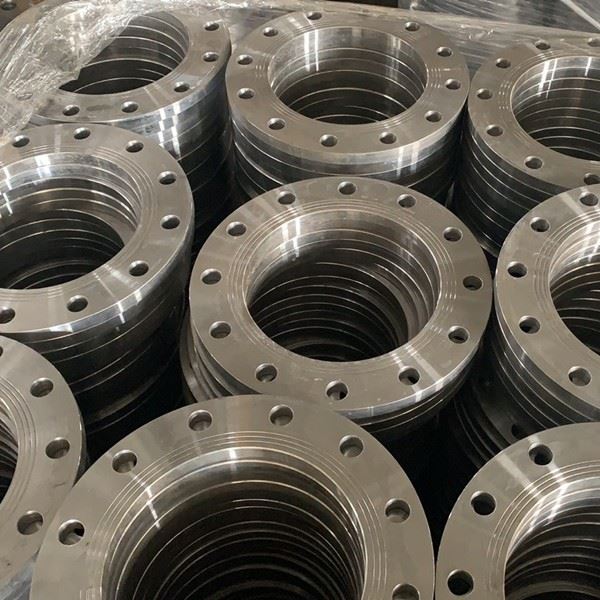
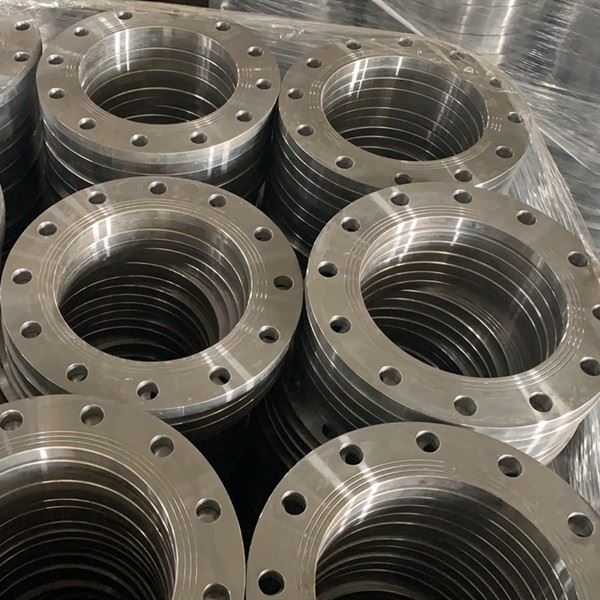
First off, let's talk about what JIS Steel Blind is. JIS stands for Japanese Industrial Standards, and JIS Steel Blind is a type of steel blind flange that meets these standards. These flanges are commonly used in piping systems to block off the end of a pipe. They're super useful in various industries, from oil and gas to chemical processing. You can check out some of our popular products like Flange JIS 16K FF Flange and Flange JIS 10K FF Flange on our website.
Now, onto the main topic: the limitations of using JIS Steel Blind in high - temperature environments.
Material Degradation
One of the biggest issues we face is material degradation. When steel is exposed to high temperatures for extended periods, its properties start to change. The structure of the steel can undergo phase transformations. For example, at high temperatures, the steel may start to lose its strength and hardness. This is because the atoms in the steel lattice become more mobile, and the microstructure can change from a stable form to a less stable one.
The carbon in the steel can also react with oxygen in the air at high temperatures, leading to oxidation. Oxidation forms a layer of rust on the surface of the steel blind. This rust layer not only weakens the steel but can also flake off, potentially causing blockages in the piping system. Our JIS Standard 16K Carbon Steel Flange can face these issues in high - temperature settings.
Expansion and Contraction
Another limitation is the expansion and contraction of the steel blind due to temperature changes. Steel expands when heated and contracts when cooled. In a high - temperature environment, the JIS Steel Blind will expand. If the system is not designed to accommodate this expansion, it can lead to a lot of problems.
For instance, the expanded steel blind can put extra stress on the surrounding pipes and fittings. This stress can cause leaks at the flange connections. Over time, it can even lead to the deformation or failure of the entire piping system. And when the temperature drops, the steel will contract. This repeated expansion and contraction cycle can cause fatigue in the steel, leading to cracks and fractures.
Seal Integrity
The seals used with JIS Steel Blind are also affected by high temperatures. Most seals are made of rubber or other elastomeric materials, which have a limited temperature range. In high - temperature environments, these seals can start to degrade. They may become brittle, lose their elasticity, or even melt.
When the seal degrades, it can no longer provide a proper seal between the flange and the pipe. This can result in leaks of the fluid or gas in the piping system. Leaks are not only a safety hazard but can also lead to product loss and environmental pollution.
Bolt Tension
The bolts used to secure the JIS Steel Blind to the pipes can also be affected by high temperatures. At high temperatures, the bolts can lose their pre - tension. This is because the metal in the bolts expands, and the clamping force between the flanges decreases.
When the bolt tension is lost, the flange connection becomes loose. A loose connection can lead to leaks and vibrations in the piping system. Vibrations can further damage the flange and other components in the system.
Corrosion Resistance
High - temperature environments can also accelerate corrosion. In addition to the oxidation I mentioned earlier, other forms of corrosion can occur. For example, in the presence of certain chemicals or gases at high temperatures, the steel can undergo chemical corrosion.
This corrosion can eat away at the steel blind, reducing its thickness and strength. It can also create pits and crevices on the surface of the steel, which can act as stress concentrators and lead to crack initiation.
How to Mitigate These Limitations
While there are limitations to using JIS Steel Blind in high - temperature environments, there are also ways to mitigate these issues.
- Material Selection: Choose a steel with better high - temperature properties. Stainless steel, for example, has better oxidation and corrosion resistance at high temperatures compared to carbon steel.
- Thermal Insulation: Use thermal insulation around the JIS Steel Blind and the piping system. This can help to reduce the temperature of the steel and slow down the rate of material degradation.
- Proper Design: Design the piping system to accommodate the expansion and contraction of the steel blind. This can include using expansion joints or flexible connections.
- Seal Selection: Choose seals that are specifically designed for high - temperature applications. There are seals made of materials like graphite or ceramic that can withstand much higher temperatures.
- Regular Inspection: Conduct regular inspections of the JIS Steel Blind and the entire piping system. Look for signs of corrosion, leaks, and bolt loosening. Replace any damaged components promptly.
Conclusion
In conclusion, using JIS Steel Blind in high - temperature environments comes with several limitations. Material degradation, expansion and contraction, seal integrity issues, bolt tension problems, and corrosion are all challenges that we need to deal with. But with proper material selection, design, and maintenance, we can overcome these limitations and ensure the safe and efficient operation of the piping system.
If you're in the market for JIS Steel Blind or have any questions about using them in high - temperature environments, don't hesitate to reach out. We're here to help you make the right choices for your project. Contact us for a detailed discussion and to start your procurement process.
References
- ASM Handbook Committee. (2000). ASM Handbook, Volume 13A: Corrosion: Fundamentals, Testing, and Protection. ASM International.
- Perry, R. H., & Green, D. W. (1997). Perry's Chemical Engineers' Handbook. McGraw - Hill.