

What are the requirements for steel reducers in water supply systems?
Jan 22, 2026
What are the requirements for steel reducers in water supply systems?
In water supply systems, steel reducers play a pivotal role in ensuring the smooth and efficient flow of water. As a seasoned steel reducer supplier, I understand the importance of meeting the diverse requirements that these critical components must adhere to. This blog post will delve into the various aspects that define the requirements for steel reducers in water supply systems.
Material Quality
The choice of material for steel reducers in water supply systems is of utmost importance. Two commonly used materials are carbon steel and stainless steel, each with its own set of advantages.
Carbon steel is known for its high strength and durability. It can withstand high pressure and is suitable for large - scale water supply systems. Our Carbon Steel Concentric Reducer is made from high - grade carbon steel, which is carefully selected to ensure it can resist corrosion to a certain extent. However, in environments where water contains high levels of corrosive substances, carbon steel may require additional protective coatings.
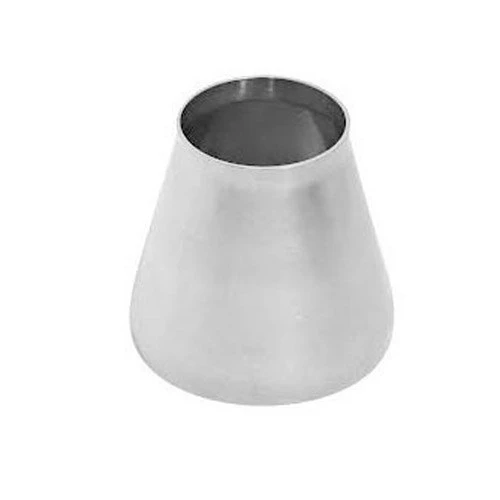
Stainless steel, on the other hand, offers excellent corrosion resistance. It is ideal for water supply systems where the water quality is poor or where the system is exposed to harsh environmental conditions. Our Stainless Steel Concentric Reducer is crafted from premium stainless steel alloys that can withstand the test of time and maintain their integrity even in the most challenging circumstances.
Dimensional Accuracy
Precise dimensions are crucial for steel reducers in water supply systems. Any deviation from the specified dimensions can lead to problems such as leakage, uneven flow, and increased pressure loss.
The diameter of the large and small ends of the reducer must be accurately machined to match the pipes it connects. For example, in a water distribution network, if the diameter of the reducer does not match the pipes, it can cause turbulent flow, which not only reduces the efficiency of the system but also increases the risk of pipe damage.
The length of the reducer also needs to be carefully controlled. A reducer that is too short may not provide a smooth transition between the two pipe sizes, while a reducer that is too long can add unnecessary weight and cost to the system. Our manufacturing process ensures that all our steel reducers meet the strictest dimensional tolerances, guaranteeing a perfect fit in any water supply system.
Pressure Resistance
Water supply systems often operate under high pressure, especially in large - scale municipal or industrial applications. Steel reducers must be able to withstand these pressures without deformation or failure.
The pressure - bearing capacity of a steel reducer depends on several factors, including the material, wall thickness, and design. Thicker - walled reducers generally have a higher pressure - resistance capacity. Our Butt Welded Steel Reducer is designed with a robust structure and appropriate wall thickness to handle high - pressure water flow. Before leaving the factory, each reducer undergoes rigorous pressure testing to ensure it can meet the specific pressure requirements of the water supply system.
Flow Characteristics
Smooth and efficient water flow is essential for the proper functioning of a water supply system. Steel reducers should be designed to minimize flow resistance and turbulence.
A well - designed reducer has a gradual transition between the large and small ends, which helps to maintain a stable flow rate. Turbulence can cause energy losses, noise, and erosion of the pipe walls. Our reducers are engineered with optimized internal profiles to ensure a laminar flow of water, reducing energy consumption and extending the service life of the entire water supply system.
Weld Quality
In many water supply systems, steel reducers are connected to pipes through welding. The quality of the weld is critical to the overall performance and reliability of the system.

A high - quality weld should have good penetration, no cracks, and a smooth surface finish. Poor weld quality can lead to leakage, reduced strength, and corrosion at the weld joint. Our welding process is carried out by experienced welders using advanced welding techniques and equipment. We also conduct non - destructive testing on the welds to ensure their integrity.
Compatibility with Other Components
Steel reducers need to be compatible with other components in the water supply system, such as pipes, valves, and pumps.
They should have the same material compatibility to avoid galvanic corrosion. For example, if a stainless steel reducer is connected to a carbon steel pipe without proper insulation, it can lead to accelerated corrosion at the connection point.
The connection method of the reducer should also be compatible with the pipes and other components. Whether it is butt - welding, socket - welding, or threaded connection, the reducer should be able to form a secure and leak - free joint.
Regulatory Compliance
Water supply systems are subject to various regulations and standards to ensure the safety and quality of the water supply. Steel reducers must comply with these regulations.
For example, in some regions, the materials used in water - contact components must meet certain health and safety standards. Our steel reducers are manufactured in strict accordance with international and local regulations, ensuring that they are safe for use in any water supply system.
Maintenance and Serviceability
Ease of maintenance and serviceability are important considerations for steel reducers in water supply systems.
Reducers should be designed in such a way that they can be easily inspected, cleaned, and repaired if necessary. Accessible inspection ports or removable sections can facilitate maintenance work. Additionally, the materials used should be resistant to scaling and fouling, reducing the frequency of cleaning and maintenance.
In conclusion, the requirements for steel reducers in water supply systems are multi - faceted. From material quality and dimensional accuracy to pressure resistance and regulatory compliance, every aspect must be carefully considered to ensure the reliable and efficient operation of the water supply system. As a leading steel reducer supplier, we are committed to providing high - quality products that meet all these requirements. If you are in the process of building or upgrading a water supply system and are in need of steel reducers, we invite you to contact us for a detailed discussion and to explore our wide range of products. We look forward to working with you to meet your specific needs.
References
- ASME B16.9 - Factory - Made Wrought Steel Buttwelding Fittings
- ASTM A234/A234M - Standard Specification for Piping Fittings of Wrought Carbon Steel and Alloy Steel for Moderate and High - Temperature Service
- AWWA C200 - Steel Water Pipe—6 In. (150 mm) and Larger