

What are the common defects in welded neck flanges and how to fix them?
May 09, 2025
Welded neck flanges are essential components in various industrial piping systems, providing a secure and leak - tight connection. As a supplier of welded neck flanges, I have encountered a wide range of common defects in these products. Understanding these defects and the corresponding fixing methods is crucial for ensuring the quality and performance of the flanges.
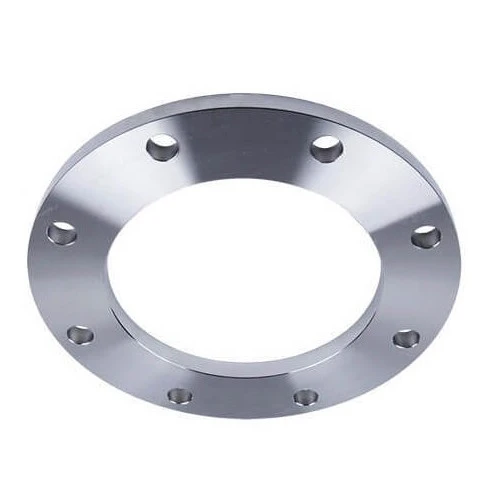
Common Defects in Welded Neck Flanges
1. Weld Defects
- Porosity: Porosity is a prevalent weld defect in welded neck flanges. It occurs when gas pockets are trapped within the weld metal during the welding process. The main causes of porosity include improper shielding gas flow, dirty base metal, or incorrect welding parameters. When the shielding gas fails to protect the molten weld pool effectively, atmospheric gases such as oxygen, nitrogen, and hydrogen can be absorbed, leading to the formation of pores. For example, if the gas flow rate is too low, the weld pool will be exposed to the atmosphere, increasing the risk of porosity.
- Cracks: Cracks in welded neck flanges can be extremely dangerous as they can compromise the structural integrity of the flange and lead to leaks or even catastrophic failures. There are two main types of cracks: hot cracks and cold cracks. Hot cracks form during the solidification of the weld metal, usually due to high sulfur or phosphorus content in the base metal or filler metal, improper welding speed, or excessive heat input. Cold cracks, on the other hand, occur after the weld has cooled and are often related to hydrogen embrittlement, residual stresses, or hard - to - weld materials.
2. Dimensional Deviations
- Bore Diameter Variation: The bore diameter of a welded neck flange must meet specific tolerances to ensure a proper fit with the piping system. Deviations in the bore diameter can cause problems such as misalignment, which can lead to leaks or uneven stress distribution. These deviations can occur during the machining process, due to tool wear, improper calibration of machining equipment, or human error.
- Flange Thickness and Outer Diameter Deviations: Incorrect flange thickness and outer diameter can also affect the performance of the flange. If the flange is too thin, it may not be able to withstand the pressure and stress in the piping system, leading to deformation or failure. Similarly, an incorrect outer diameter can cause issues with bolt hole alignment and the overall installation of the flange.
3. Surface Defects
- Scratches and Gouges: Scratches and gouges on the surface of the welded neck flange can occur during handling, transportation, or manufacturing. These surface defects can not only affect the appearance of the flange but also reduce its corrosion resistance. If left untreated, scratches can act as initiation points for corrosion, which can gradually weaken the flange over time.
- Rust and Corrosion: Rust and corrosion are common problems, especially in flanges that are exposed to harsh environments. Moisture, chemicals, and oxygen can react with the metal surface of the flange, leading to the formation of rust. Corrosion can also occur due to galvanic reactions when different metals are in contact in the presence of an electrolyte.
Fixing Methods for Common Defects
1. Fixing Weld Defects
- Porosity: To fix porosity, the first step is to identify and eliminate the root cause. If the porosity is due to improper shielding gas flow, the gas flow rate should be adjusted according to the welding procedure specifications. The base metal should also be cleaned thoroughly to remove any dirt, oil, or rust before welding. In some cases, re - welding the affected area may be necessary, using the correct welding parameters and ensuring proper shielding.
- Cracks: For hot cracks, the welding parameters need to be optimized. This may involve reducing the heat input, adjusting the welding speed, or using a filler metal with lower sulfur and phosphorus content. Cold cracks can be mitigated by pre - heating the base metal before welding to reduce hydrogen content and residual stresses. In severe cases, the cracked area may need to be removed by grinding, and then re - welded using appropriate techniques.
2. Correcting Dimensional Deviations
- Bore Diameter Variation: If the bore diameter is too small, the flange can be re - machined to the correct size using precision machining equipment. However, if the bore diameter is too large, the flange may need to be replaced. To prevent bore diameter variations in the future, regular calibration of machining tools and strict quality control during the manufacturing process are essential.
- Flange Thickness and Outer Diameter Deviations: Similar to bore diameter variations, if the flange thickness or outer diameter is incorrect, re - machining can be attempted if the deviation is within an acceptable range. However, if the deviation is significant, the flange may not be salvageable and will need to be replaced.
3. Treating Surface Defects
- Scratches and Gouges: Minor scratches and gouges can be repaired by grinding and polishing the affected area to restore the smoothness of the surface. For deeper scratches, filler materials may be used to fill the voids, followed by grinding and polishing. After repair, a protective coating can be applied to prevent further corrosion.
- Rust and Corrosion: For light rust, the surface can be cleaned using abrasive materials such as wire brushes or sandpaper to remove the rust layer. Then, a rust - inhibiting primer and a protective coating can be applied. In cases of severe corrosion, the affected area may need to be removed by grinding or machining, and a new coating system should be applied to prevent future corrosion.
Importance of Quality Control in Welded Neck Flanges
As a supplier of welded neck flanges, quality control is of utmost importance. We have implemented a comprehensive quality control system that starts from the raw material inspection and continues throughout the manufacturing process. Before production, we carefully select high - quality raw materials and conduct strict chemical composition and mechanical property tests. During the manufacturing process, we use advanced production equipment and strict process control to ensure that each flange meets the relevant standards and specifications.

In addition, we also conduct various non - destructive testing (NDT) methods, such as ultrasonic testing (UT), magnetic particle testing (MT), and radiographic testing (RT), to detect any internal defects in the flanges. After production, each flange undergoes a final inspection to ensure that it meets the required dimensional tolerances and surface quality.
Our Product Range
We offer a wide range of welded neck flanges, including GOST PN10 Weld Neck Flange, ANSI Steel Forged DN100 Flange, and BS4504 Carbon Steel Flanges. These flanges are made from high - quality materials and are manufactured using advanced technology to ensure their reliability and performance.
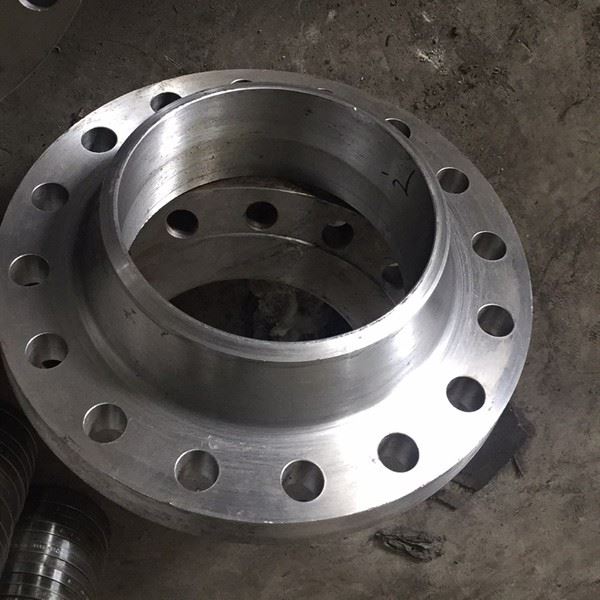
Contact Us for Procurement
If you are in need of high - quality welded neck flanges, we are here to provide you with the best products and services. Our experienced team can offer you professional advice on flange selection, installation, and maintenance. Whether you have a small - scale project or a large - scale industrial application, we can meet your requirements. Please feel free to contact us for procurement and further discussions. We look forward to establishing a long - term and mutually beneficial cooperation with you.
References
- ASME B16.5 - 2017, "Pipe Flanges and Flanged Fittings: NPS 1/2 Through NPS 24 Metric/Inch Standard".
- API 6A - 2018, "Specification for Wellhead and Christmas Tree Equipment".
- ISO 7005 - 1:2016, "Metallic flanges - Part 1: Steel flanges".