

How to repair a cracked steel flange?
Nov 07, 2025
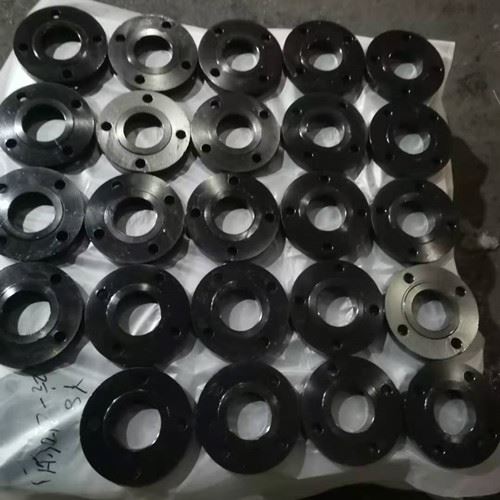
A cracked steel flange can be a significant issue in various industrial applications, potentially leading to leaks, reduced system efficiency, and even safety hazards. As a reputable steel flange supplier, I've encountered numerous situations where customers needed guidance on repairing cracked steel flanges. In this blog, I'll share a comprehensive guide on how to repair a cracked steel flange, ensuring that your systems remain operational and safe.

Step 1: Inspection and Assessment
The first and most crucial step in repairing a cracked steel flange is a thorough inspection. Use a magnifying glass or a non - destructive testing method such as ultrasonic testing to determine the exact location, length, and depth of the crack. This information will help you decide whether the flange can be repaired or if it needs to be replaced. For instance, if the crack is too deep or extends across a large portion of the flange, replacement might be the safer option.
It's also essential to identify the cause of the crack. Common causes include excessive stress, improper installation, corrosion, or fatigue. Addressing the root cause is vital to prevent future cracking. If the crack is due to improper installation, you'll need to ensure that the flange is correctly aligned and tightened in the future.
Step 2: Surface Preparation
Once you've decided to repair the flange, the next step is surface preparation. Start by cleaning the flange thoroughly to remove any dirt, grease, or rust. You can use a wire brush, sandpaper, or a chemical cleaner for this purpose. Make sure to clean the area around the crack as well as the crack itself.
After cleaning, use a grinder to bevel the edges of the crack. A beveled edge will allow for better penetration of the filler material during the welding process. The bevel angle should typically be between 30 and 45 degrees, depending on the thickness of the flange.
Step 3: Welding
Welding is the most common method for repairing a cracked steel flange. However, it requires proper skills and equipment. Before starting the welding process, select the appropriate welding rod or wire based on the type of steel used in the flange. For carbon steel flanges, a mild steel welding rod is usually suitable.
Pre - heat the flange to a specific temperature, which is determined by the type and thickness of the steel. Pre - heating helps to reduce the risk of cracking during the welding process. Use a pre - heating torch to heat the area around the crack evenly.
During the welding process, use a multi - pass welding technique. Start by filling the bottom of the crack with a thin layer of weld metal. Then, gradually build up the weld in subsequent passes. Make sure to clean the weld between each pass to remove any slag.
It's important to maintain a consistent welding speed and arc length. A slow welding speed can cause excessive heat input, leading to distortion, while a fast speed may result in incomplete fusion. After welding, allow the flange to cool slowly to prevent thermal stress.
Step 4: Post - Weld Heat Treatment
After welding, post - weld heat treatment is often necessary to relieve residual stresses and improve the mechanical properties of the weld. The heat treatment process involves heating the flange to a specific temperature and holding it at that temperature for a certain period of time, followed by slow cooling.
The exact temperature and time for post - weld heat treatment depend on the type of steel and the thickness of the flange. Consult the steel manufacturer's guidelines or a welding expert for specific recommendations.
Step 5: Non - Destructive Testing
Once the post - weld heat treatment is complete, perform non - destructive testing on the repaired area. Ultrasonic testing, magnetic particle testing, or dye penetrant testing can be used to detect any internal or surface defects in the weld. If any defects are found, they need to be repaired before the flange can be put back into service.
Step 6: Final Inspection and Assembly
After passing the non - destructive testing, conduct a final visual inspection of the repaired flange. Check for any signs of distortion, porosity, or incomplete fusion. Make sure that the surface of the flange is smooth and free of any sharp edges.
Before reassembling the flange into the system, apply a suitable sealant to the flange faces to prevent leaks. Tighten the bolts evenly using a torque wrench to the manufacturer's recommended torque value.
Related Products
As a steel flange supplier, we offer a wide range of high - quality products. If you're in need of related components, you might be interested in our SCH40 Steel Pipe Elbow. It's designed to provide smooth flow and excellent durability in piping systems.
Our Carbon Steel And Stainless Steel Slip On Flange is another popular choice. It's easy to install and provides a reliable connection in various applications.
For those who require specific standards, our JIS B 2220 DN50 5KCarbon Steel Forged Flange meets the strict requirements of the Japanese Industrial Standard.
Conclusion
Repairing a cracked steel flange is a complex process that requires careful inspection, proper surface preparation, skilled welding, and thorough testing. By following the steps outlined in this blog, you can effectively repair a cracked flange and ensure the continued operation of your systems.
If you have any questions about steel flange repair or are interested in our products, please feel free to contact us for procurement discussions. We're committed to providing you with the best solutions for your industrial needs.
References
- AWS D1.1/D1.1M:2020, Structural Welding Code - Steel.
- ASME B16.5, Pipe Flanges and Flanged Fittings.
- Welding Handbook, Volume 1: Welding Science and Technology, American Welding Society.