

What surface treatments are available for EN steel flanges?
Jul 14, 2025
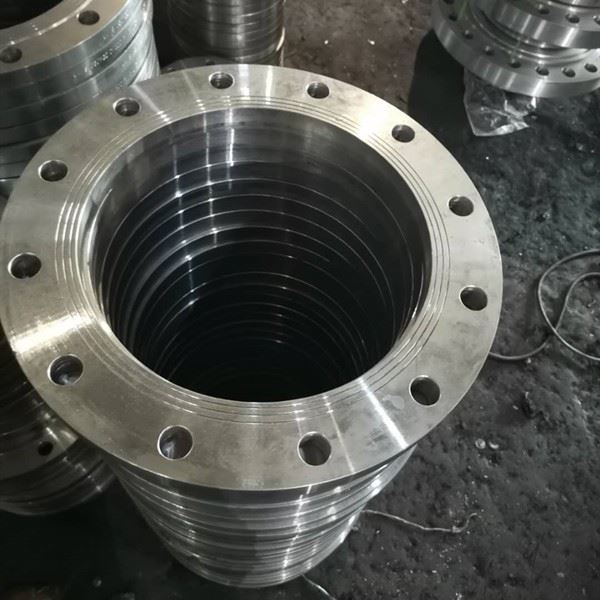
As a dedicated supplier of EN steel flanges, I am thrilled to delve into the diverse world of surface treatments available for these essential components. EN steel flanges are widely used in various industries, including oil and gas, chemical processing, and water treatment, due to their high strength, durability, and resistance to corrosion. However, to enhance their performance and longevity, it is crucial to apply appropriate surface treatments. In this blog post, I will explore the different surface treatments commonly used for EN steel flanges, their benefits, and their applications.
1. Hot-Dip Galvanizing
Hot-dip galvanizing is one of the most popular surface treatments for EN steel flanges. This process involves immersing the flanges in a bath of molten zinc at a temperature of around 450°C. The zinc reacts with the steel to form a series of zinc-iron alloy layers, which provide excellent corrosion resistance.
Benefits:
- Superior Corrosion Resistance: The zinc coating acts as a sacrificial anode, protecting the underlying steel from rust and corrosion. This makes hot-dip galvanized flanges ideal for outdoor applications or in environments with high humidity or exposure to chemicals.
- Longevity: A well-applied hot-dip galvanized coating can last for decades, reducing the need for frequent maintenance and replacement.
- Aesthetic Appeal: The shiny, silver appearance of the zinc coating gives the flanges a clean and professional look.
Applications:
Hot-dip galvanized EN steel flanges are commonly used in the construction of bridges, pipelines, and outdoor structures. They are also suitable for use in marine environments, where corrosion is a significant concern.
2. Electroplating
Electroplating is another popular surface treatment method for EN steel flanges. This process involves depositing a thin layer of metal, such as chromium, nickel, or copper, onto the surface of the flanges using an electric current.
Benefits:

- Enhanced Corrosion Resistance: The electroplated metal layer provides a barrier between the steel and the environment, preventing corrosion.
- Improved Wear Resistance: Electroplated coatings can also improve the wear resistance of the flanges, making them more suitable for applications with high friction or abrasion.
- Customizable Appearance: Electroplating allows for a wide range of colors and finishes, giving the flanges a unique and attractive appearance.
Applications:
Electroplated EN steel flanges are commonly used in the automotive, aerospace, and electronics industries, where appearance and performance are both important. They are also suitable for use in decorative applications, such as architectural fixtures and furniture.
3. Powder Coating
Powder coating is a dry finishing process that involves applying a fine powder of paint to the surface of the flanges using an electrostatic charge. The powder is then cured in an oven at a high temperature, forming a hard and durable coating.
Benefits:
- Excellent Corrosion Resistance: Powder coatings provide a thick and uniform layer of protection, preventing corrosion and rust.
- High Durability: The cured powder coating is resistant to chipping, scratching, and fading, making it ideal for applications with high wear and tear.
- Environmentally Friendly: Powder coating is a solvent-free process, which means it produces fewer emissions and is more environmentally friendly than traditional liquid painting methods.
Applications:
Powder-coated EN steel flanges are commonly used in the furniture, appliance, and automotive industries. They are also suitable for use in outdoor applications, such as fencing and signage.
4. Black Oxide Coating
Black oxide coating is a chemical conversion coating that produces a black, matte finish on the surface of the flanges. This process involves immersing the flanges in a solution of hot alkaline salts, which react with the steel to form a thin layer of iron oxide.
Benefits:
- Corrosion Resistance: The black oxide coating provides a moderate level of corrosion resistance, making it suitable for indoor applications or in environments with low humidity.
- Improved Appearance: The black, matte finish gives the flanges a sleek and professional look.
- Lubricity: Black oxide coatings can also improve the lubricity of the flanges, reducing friction and wear.
Applications:
Black oxide-coated EN steel flanges are commonly used in the firearms, automotive, and machinery industries. They are also suitable for use in decorative applications, such as jewelry and watches.
5. Phosphating
Phosphating is a chemical conversion coating process that involves immersing the flanges in a solution of phosphoric acid and metal salts. The solution reacts with the steel to form a layer of phosphate crystals on the surface of the flanges.
Benefits:
- Corrosion Resistance: The phosphate coating provides a moderate level of corrosion resistance, especially when used in conjunction with a topcoat.
- Improved Paint Adhesion: Phosphating can improve the adhesion of paint or other coatings to the surface of the flanges, making them more durable and long-lasting.
- Lubricity: The phosphate coating can also improve the lubricity of the flanges, reducing friction and wear.
Applications:
Phosphated EN steel flanges are commonly used in the automotive, aerospace, and machinery industries. They are also suitable for use in applications where paint adhesion is critical, such as in the painting of metal parts.
Conclusion
In conclusion, there are several surface treatments available for EN steel flanges, each with its own unique benefits and applications. As a supplier of EN steel flanges, I understand the importance of choosing the right surface treatment to meet the specific needs of our customers. Whether you need flanges for outdoor applications, high-wear environments, or decorative purposes, we can provide you with the appropriate surface treatment to ensure the best performance and longevity of your flanges.
If you are interested in purchasing EN steel flanges or have any questions about our surface treatment options, please do not hesitate to [contact us for procurement and negotiation]. We look forward to working with you to meet your flange needs.
References
- Metals Handbook: Corrosion, 9th Edition, ASM International
- Surface Engineering for Corrosion and Wear Resistance, CRC Press
- The Complete Guide to Powder Coating, Powder Coating Institute