

What kind of corrosion can 30K Soh Flange resist?
Jul 15, 2025
Hey there! As a supplier of 30K Soh Flanges, I often get asked about the kind of corrosion these flanges can resist. So, I thought I'd write this blog to share some insights on that.
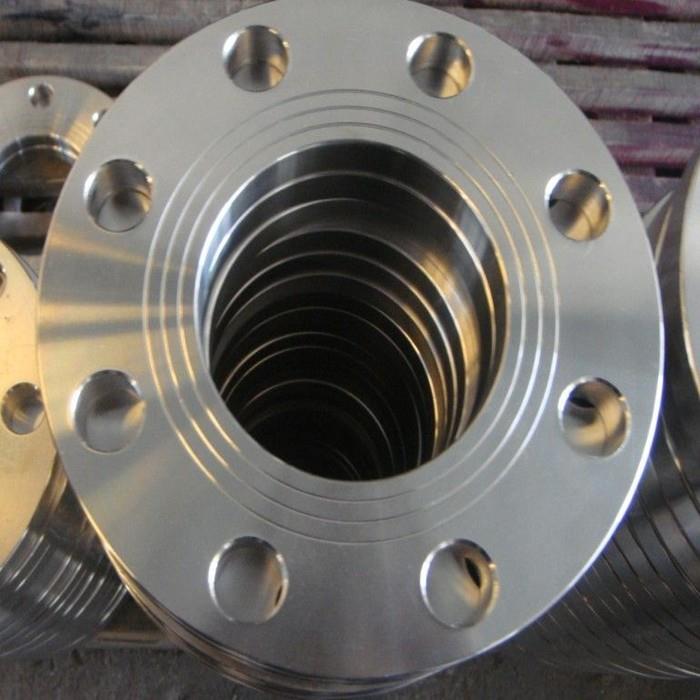
First off, let's understand what 30K Soh Flanges are. These flanges are part of the Japanese Industrial Standards (JIS) system. The "30K" refers to the pressure rating, and "Soh" is a specific type within the flange classification. They're widely used in various industries, from oil and gas to chemical processing, because of their reliability and performance.
Now, let's dive into the types of corrosion that 30K Soh Flanges can handle.
General Corrosion
General corrosion is the most common type of corrosion. It occurs when a metal surface is uniformly attacked by a corrosive agent, like oxygen in the air or chemicals in a solution. 30K Soh Flanges are usually made from high - quality materials such as stainless steel. Stainless steel contains chromium, which forms a thin, protective oxide layer on the surface of the flange. This layer acts as a barrier, preventing the metal beneath from coming into direct contact with the corrosive environment. So, in environments where there's a low - level, uniform corrosive attack, these flanges can resist general corrosion quite well. For example, in a mild chemical storage tank where the chemicals are not highly aggressive, 30K Soh Flanges can last a long time without significant general corrosion.
Pitting Corrosion
Pitting corrosion is a more localized form of corrosion. It starts as small pits on the metal surface and can penetrate deep into the material. This type of corrosion is often caused by the presence of chloride ions in the environment. Chlorides can break down the protective oxide layer on the stainless - steel flange, exposing the underlying metal. However, 30K Soh Flanges made from certain grades of stainless steel, like 316L, have a higher molybdenum content. Molybdenum enhances the resistance of the flange to pitting corrosion. So, in applications where there's a risk of exposure to chloride - containing solutions, such as in coastal areas or in some industrial cleaning processes, these flanges can still perform well and resist pitting.

Crevice Corrosion
Crevice corrosion occurs in narrow gaps or crevices between two metal surfaces or between a metal and a non - metal. In these crevices, the flow of oxygen is restricted, creating a difference in the electrochemical potential. This difference can lead to corrosion. 30K Soh Flanges are designed with smooth surfaces and proper sealing mechanisms. The smooth surfaces reduce the likelihood of crevice formation, and the sealing helps to prevent the entry of corrosive agents into any potential crevices. For instance, when these flanges are properly installed with high - quality gaskets, they can effectively resist crevice corrosion in applications like pipeline connections.
Stress Corrosion Cracking (SCC)
Stress corrosion cracking is a combination of tensile stress and a corrosive environment. It can cause sudden and catastrophic failure of the flange. The materials used in 30K Soh Flanges are carefully selected to have good resistance to SCC. The manufacturing process also involves heat treatment and other techniques to relieve internal stresses. So, in environments where there's a combination of stress and a corrosive agent, such as in high - pressure pipelines carrying corrosive fluids, these flanges can withstand the conditions and resist SCC.
Galvanic Corrosion
Galvanic corrosion happens when two different metals are in contact in the presence of an electrolyte. The more active metal corrodes at an accelerated rate. When using 30K Soh Flanges, it's important to ensure that they're paired with compatible metals. For example, if the flange is made of stainless steel, it should be connected to other components made of similar metals or metals with a similar electrochemical potential. This way, the risk of galvanic corrosion can be minimized.
Now, it's worth mentioning that the performance of 30K Soh Flanges in resisting corrosion also depends on proper installation and maintenance. Regular inspections to check for any signs of corrosion, proper cleaning, and timely replacement of gaskets and other components can all contribute to the long - term corrosion resistance of the flanges.
If you're also interested in other types of flanges, you might want to check out these links: Flange JIS 16k, JIS B2220 5K Flanges, and Flange JIS 16K FF Flange. These flanges have their own unique features and applications, and they might be suitable for different projects.
In conclusion, 30K Soh Flanges are a great choice for many applications where corrosion resistance is a key requirement. They can resist various types of corrosion, including general corrosion, pitting corrosion, crevice corrosion, stress corrosion cracking, and can minimize the risk of galvanic corrosion when used correctly.
If you're in the market for high - quality 30K Soh Flanges or have any questions about corrosion resistance and their applications, feel free to reach out for a procurement discussion. We're here to help you find the best solutions for your projects.
References
- Metals Handbook: Corrosion, ASM International
- Stainless Steel Handbook, Nickel Institute