

What is the quality control process for carbon steel elbows?
Oct 31, 2025
Hey there! As a supplier of carbon steel elbows, I'm super stoked to walk you through the quality control process we follow. Carbon steel elbows are used in a ton of industries, from oil and gas to plumbing, so getting the quality right is a big deal.
Raw Material Inspection
First things first, we start with the raw materials. You can't make a great carbon steel elbow if you're using lousy steel, right? When the raw steel arrives at our facility, we give it a thorough once - over. We check the material certificates to make sure the steel meets the required standards. This includes things like the chemical composition, which is crucial. For example, the right amount of carbon, manganese, and other elements can determine the strength and durability of the elbow.
We also do physical inspections of the raw steel. We look for any visible defects like cracks, pits, or surface irregularities. If we find any issues, we send the material back right away. After all, a good quality control process starts at the very beginning.
Manufacturing Process Monitoring
Once the raw materials pass inspection, it's time to start making those elbows. During the manufacturing process, we have multiple checkpoints. For instance, when we're cutting the steel to the right size, we use precise measuring tools. This ensures that the dimensions of the elbow are spot - on.
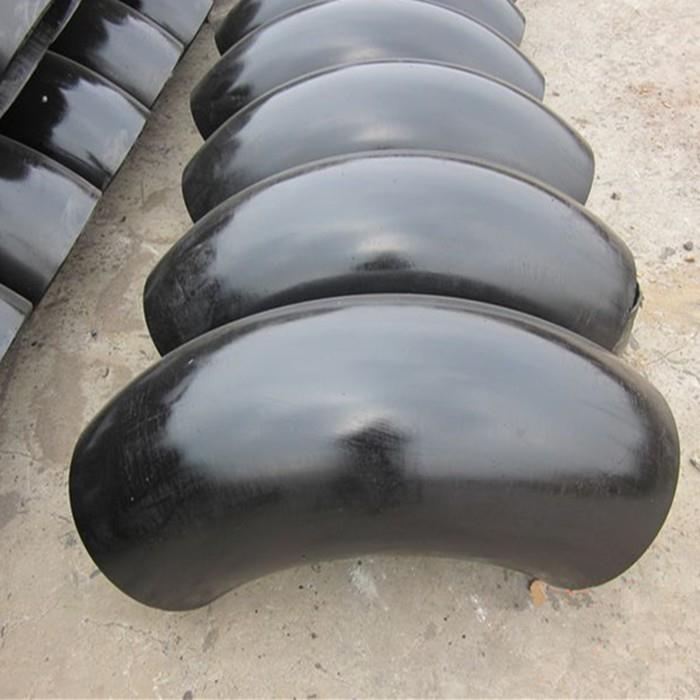

The bending process is another critical step. We use advanced bending machines, and we constantly monitor the pressure and angle. If the angle is off even by a little bit, it can cause problems when the elbow is installed. We also keep an eye on the heat treatment process. Heat treatment can improve the mechanical properties of the carbon steel, like its hardness and toughness. So, we make sure the temperature and duration are just right.
Dimensional Checks
After the elbows are formed, we do a series of dimensional checks. We measure the outer diameter, inner diameter, wall thickness, and the radius of the elbow. These measurements need to be within the specified tolerance range. We use high - precision measuring instruments like calipers and micrometers.
If we're making CARBON STEEL ASME B16.9 SCH40 90D ELBOWS, for example, we have to follow the ASME B16.9 standard. This standard sets very specific rules about the dimensions and other properties of the elbow. So, we compare our measurements with the requirements of the standard to make sure everything is good.
Surface Finish Inspection
The surface finish of the carbon steel elbow is also important. A smooth surface can prevent corrosion and make the elbow easier to install. We inspect the surface for any rough spots, burrs, or oxidation. We use visual inspection and sometimes even tactile inspection. If we find any issues, we use various finishing techniques like grinding or polishing to fix them.
Non - Destructive Testing (NDT)
To make sure there are no internal defects in the elbows, we use non - destructive testing methods. One of the most common methods is ultrasonic testing (UT). UT uses high - frequency sound waves to detect any flaws inside the metal. If there's a crack or a void, the sound waves will bounce back differently, and we can identify the problem.
Another method we use is magnetic particle testing (MT). This is mainly used for ferromagnetic materials like carbon steel. We apply a magnetic field and then sprinkle magnetic particles on the surface. If there's a defect, the particles will gather at the defect site, making it visible.
Pressure Testing
Pressure testing is a crucial part of the quality control process. We need to make sure that the carbon steel elbows can withstand the pressure they'll be subjected to in real - world applications. We fill the elbow with water or another suitable fluid and then increase the pressure to a specified level.
We hold the pressure for a certain period of time and check for any leaks. If there are no leaks, it means the elbow can handle the pressure. For CARBON STEEL 90 DEGREE LR ELBOW Sch40, for example, we test it according to the relevant pressure ratings to ensure its safety and reliability.
Final Inspection and Packaging
Once all the tests are done, we do a final inspection. We go through all the records and make sure that every step of the quality control process has been followed correctly. We also check the overall appearance of the elbow one last time.
After the final inspection, we carefully package the elbows. We use appropriate packaging materials to protect them during transportation. This can include things like wooden crates or plastic wraps.
Quality Certification
We also provide quality certificates for our carbon steel elbows. These certificates show that the elbows have passed all the necessary tests and meet the required standards. For example, if we're making GB 12459 Forged Carbon Steel 90 Degree Elbow, we can provide a certificate that shows it meets the GB 12459 standard.
Why Choose Our Carbon Steel Elbows
Our strict quality control process means that you can trust our carbon steel elbows. We've been in the business for a long time, and we know what it takes to make high - quality products. Whether you're working on a small plumbing project or a large - scale industrial installation, our elbows will meet your needs.
If you're interested in our carbon steel elbows, we'd love to talk to you. We can provide you with more information about our products, pricing, and delivery options. Just reach out to us, and let's start a conversation about your project. We're here to help you get the best carbon steel elbows for your needs.
References
- ASME B16.9 Standard for Factory - Made Wrought Steel Buttwelding Fittings
- GB 12459 Standard for Steel Pipe Fittings - Butt - Welding Elbows, Tees, Reducers, Caps and Stub - Ends