

What is the market price range of steel plate flanges?
May 28, 2025
Hey there! As a steel plate flange supplier, I often get asked about the market price range of steel plate flanges. It's a topic that's crucial for both buyers and sellers in the industry. In this blog, I'll break down the factors that influence the price of steel plate flanges and give you a rough idea of what you can expect to pay.
Factors Affecting the Price of Steel Plate Flanges
Material Quality
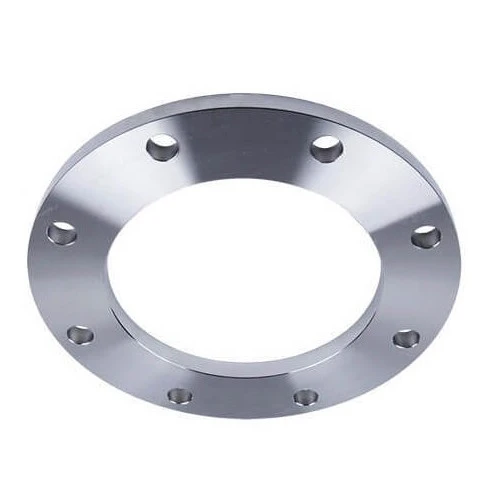
The quality of the material used in steel plate flanges is a major determinant of their price. Higher - quality steel, such as stainless steel or alloy steel, is more expensive than carbon steel. Stainless steel offers excellent corrosion resistance, making it ideal for applications in harsh environments like chemical processing plants or marine settings. Alloy steel, on the other hand, provides enhanced strength and durability, which is essential for high - pressure applications. For instance, a High Quality Plate Flange made from high - grade stainless steel will cost significantly more than a standard carbon steel flange.
Size and Dimensions
The size and dimensions of the steel plate flange also play a significant role in pricing. Larger flanges require more raw material and more complex manufacturing processes, which drive up the cost. Flanges with non - standard dimensions or special shapes are also more expensive as they often need custom - made tooling and additional machining operations. For example, a large - diameter welding neck flange for a big - scale industrial pipeline will be pricier than a small - sized flange used in a domestic plumbing system. You can check out our Welding Neck Flange options to get an idea of different sizes and their potential costs.
Manufacturing Process
The manufacturing process used to produce steel plate flanges can impact the price. Forged flanges are generally more expensive than cast or welded flanges. Forging involves shaping the metal under high pressure, which results in a stronger and more homogeneous structure. This process requires specialized equipment and skilled labor, increasing the production cost. Cast flanges, on the other hand, are made by pouring molten metal into a mold, which is a relatively simpler and less expensive process. Welded flanges are fabricated by welding different parts together, and their cost depends on the complexity of the welding and the quality of the weld.

Quantity
The quantity of steel plate flanges you order can have a big impact on the price. When you order in bulk, suppliers can often offer lower prices per unit. This is because large - scale production allows for economies of scale in terms of raw material procurement, manufacturing, and shipping. For example, if you're a construction company building a large - scale industrial project and need thousands of flanges, you can negotiate a better price compared to someone who only needs a few flanges for a small repair job.
Market Conditions
The overall market conditions, including the supply and demand of steel and the global economic situation, can affect the price of steel plate flanges. If there's a high demand for steel in the market, the price of raw materials will increase, leading to higher prices for flanges. Additionally, factors like trade policies, tariffs, and currency exchange rates can also influence the cost. For example, if there are new tariffs on imported steel, it can increase the cost of manufacturing flanges, and these additional costs are often passed on to the customers.
Price Range of Steel Plate Flanges
It's difficult to give an exact price range for steel plate flanges as it varies so much depending on the factors mentioned above. However, I can give you a general idea.
Carbon Steel Flanges
Carbon steel is the most commonly used material for steel plate flanges due to its relatively low cost and good mechanical properties. Small - sized carbon steel flanges, such as those with a diameter of 1 - 2 inches, can cost anywhere from $5 to $20 per piece. Medium - sized flanges (4 - 6 inches in diameter) may range from $20 to $50 per piece. Larger flanges, say 10 - 12 inches in diameter, can cost between $50 and $150 per piece. Our BS4504 Carbon Steel Flanges follow these general price trends, but the final price will depend on your specific requirements.
Stainless Steel Flanges
Stainless steel flanges are more expensive than carbon steel flanges because of the higher cost of the material and its corrosion - resistant properties. Small - sized stainless steel flanges can cost around $15 to $30 per piece. Medium - sized flanges may range from $30 to $80 per piece, and large - sized flanges can cost $80 to $300 or more per piece.
Alloy Steel Flanges
Alloy steel flanges are even more costly due to their enhanced performance characteristics. Small - sized alloy steel flanges can start at around $20 and go up to $50 per piece. Medium - sized flanges may cost between $50 and $120 per piece, and large - sized alloy steel flanges can cost $120 to $500 or more per piece.
Conclusion
As you can see, the market price range of steel plate flanges is quite broad and depends on multiple factors. When you're looking to buy steel plate flanges, it's important to consider your specific needs in terms of material, size, quantity, and application. This will help you get the right flanges at a reasonable price.
If you're interested in purchasing steel plate flanges, I'd love to have a chat with you. Whether you need a small quantity for a DIY project or a large order for an industrial project, I can provide you with detailed quotes based on your requirements. Don't hesitate to reach out for a friendly and professional discussion about your flange needs.
References
- "Handbook of Steel Flanges and Fittings"
- Industry reports on steel and flange manufacturing