

What is the low - temperature performance of A105 Steel Elbow?
Jan 12, 2026
As a reputable supplier of A105 Steel Elbows, I am consistently tasked with delving into diverse aspects of these products. One frequently asked question I encounter is about the low - temperature performance of A105 Steel Elbows. In this blog post, I aim to provide in - depth insights into this topic, which is crucial for applications that operate in cold environments.
1. What is A105 Steel Elbow?
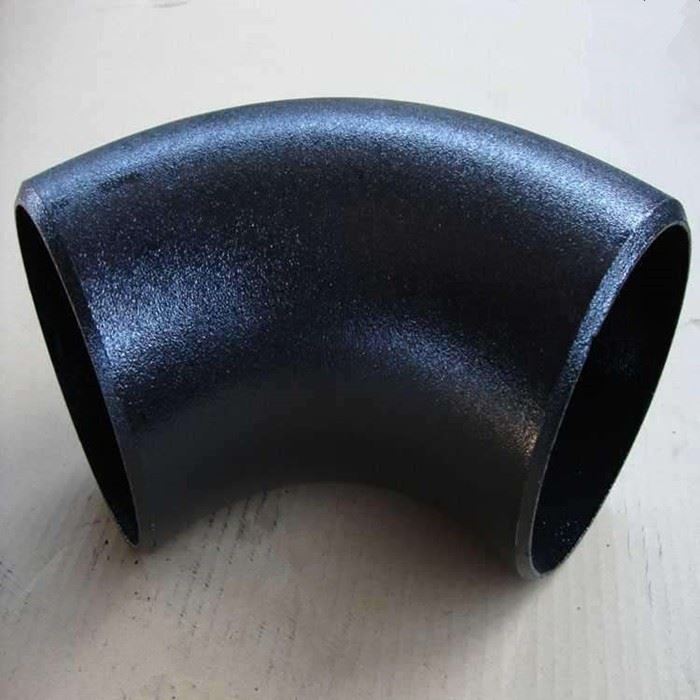
A105 Steel is a standard carbon steel material for forging pipe fittings, flanges, and valves according to the ASTM A105/A105M standard. A105 Steel Elbows, as the name implies, are precision - crafted elbow - shaped components made from this A105 carbon steel. They are widely used in various industries, including oil and gas, chemical processing, and power generation.
These elbows come in different angles, such as 45 degrees and 90 degrees. You can find more information about 45 Degree Elbow on our website. Additionally, we also offer ANSI Carbon Steel Elbow that adheres to the ANSI standards, and Carbon Steel Pipe Bends And Elbows, which are integral parts of piping systems.
2. Importance of Low - Temperature Performance
In many industrial settings, A105 Steel Elbows may be exposed to low temperatures. For instance, in arctic oil and gas exploration, or in cold storage facilities, these components are subject to frigid conditions. Understanding their low - temperature performance is essential for ensuring the safety and reliability of the entire system.
At low temperatures, the mechanical properties of metals can change significantly. If the steel elbow cannot withstand these cold conditions, it may lead to premature failure, such as brittle fracture. A brittle fracture can cause leaks, system shutdowns, and potentially dangerous situations, as it can happen suddenly without much warning.
3. Impact of Low Temperatures on A105 Steel Elbows
3.1 Decrease in Ductility
One of the primary effects of low temperatures on A105 Steel Elbows is a decrease in ductility. Ductility refers to the ability of a material to deform plastically before fracturing. At normal temperatures, A105 steel has a certain level of ductility, allowing it to absorb energy through deformation when subjected to stress.
However, as the temperature drops, the atoms in the steel lattice have less energy to move. This restricts the movement of dislocations (defects in the crystal structure that are responsible for plastic deformation), making the steel more brittle. Brittle materials are more likely to fracture under stress, even if the stress levels are relatively low compared to what the material can withstand at higher temperatures.
3.2 Increase in Yield Strength
Conversely, the yield strength of A105 Steel Elbows typically increases at low temperatures. Yield strength is the stress at which a material begins to deform plastically. The decrease in atomic mobility at low temperatures makes it more difficult for the material to start deforming. Therefore, higher stresses are required to initiate plastic deformation.
While an increase in yield strength might seem beneficial at first glance, it can be problematic when combined with the decrease in ductility. The increased yield strength means that the elbow can handle higher stresses without deforming, but once the stress exceeds a certain limit, the lack of ductility can lead to a sudden and catastrophic brittle fracture.
3.3 Effect on Fracture Toughness
Fracture toughness is a measure of a material's ability to resist crack propagation. At low temperatures, the fracture toughness of A105 Steel Elbows decreases. Even small pre - existing flaws or cracks in the elbow can be more likely to propagate rapidly under stress due to the reduced ability of the material to stop the crack. This can happen even if the applied stress is well below the ultimate strength of the material at normal temperatures.
4. Factors Affecting Low - Temperature Performance
4.1 Chemical Composition
The chemical composition of A105 steel plays a vital role in its low - temperature performance. Elements such as carbon, manganese, silicon, and others can influence the steel's microstructure and mechanical properties at low temperatures.
Carbon is one of the most critical elements. Higher carbon content generally increases the strength of the steel but can also reduce its ductility and fracture toughness, especially at low temperatures. Manganese helps in improving the hardenability and toughness of the steel. However, other elements like sulfur and phosphorus should be kept at low levels as they can have a negative impact on the low - temperature properties of the steel by promoting brittleness.
4.2 Heat Treatment
Proper heat treatment can significantly improve the low - temperature performance of A105 Steel Elbows. Heat treatment processes such as normalizing and tempering can refine the microstructure of the steel, improving its ductility and fracture toughness.
Normalizing involves heating the steel to a specific temperature and then cooling it in air. This process helps to homogenize the microstructure and relieve internal stresses. Tempering is usually carried out after quenching or normalizing. It involves reheating the steel to a lower temperature and then cooling it slowly, which can reduce the hardness and increase the toughness of the steel, making it more suitable for low - temperature applications.
5. Testing Low - Temperature Performance
To ensure the reliability of A105 Steel Elbows in low - temperature environments, various testing methods are employed.
5.1 Charpy V - Notch Test
The Charpy V - Notch test is a common method for evaluating the impact toughness of materials at different temperatures. In this test, a notched specimen of the A105 steel is struck by a pendulum, and the energy absorbed during the fracture is measured. By conducting this test at different low temperatures, the transition temperature at which the material changes from a ductile to a brittle behavior can be determined.
5.2 Tensile Testing
Tensile testing can also be performed at low temperatures to measure the yield strength, ultimate tensile strength, and elongation of the A105 Steel Elbow. This helps in understanding how the mechanical properties of the steel change with temperature and provides valuable data for designing systems that operate in cold conditions.
6. Our Solutions for Low - Temperature Applications
As a supplier of A105 Steel Elbows, we are well - aware of the challenges associated with low - temperature performance. We take several steps to ensure that our products meet the requirements of cold - environment applications.

First, we carefully control the chemical composition of the A105 steel during the manufacturing process. We maintain strict limits on the content of elements such as carbon, sulfur, and phosphorus to optimize the low - temperature properties of the steel.
Second, we use advanced heat treatment techniques to improve the microstructure of the elbows. Our experienced technicians follow precise heat treatment schedules to ensure that the elbows have the desired combination of strength, ductility, and fracture toughness at low temperatures.
Finally, we conduct comprehensive testing on all our A105 Steel Elbows. We perform Charpy V - Notch tests and tensile tests at various low temperatures to verify that the products meet or exceed the industry standards for low - temperature performance.
7. Conclusion and Call to Action
In conclusion, the low - temperature performance of A105 Steel Elbows is a complex but crucial aspect, especially for industries that operate in cold environments. Understanding the effects of low temperatures on the mechanical properties of these elbows, as well as the factors that affect their performance, is essential for ensuring the safety and reliability of piping systems.
At [our company], we are dedicated to providing high - quality A105 Steel Elbows that can withstand the challenges of low - temperature applications. Our strict quality control measures, advanced manufacturing processes, and comprehensive testing ensure that our products meet the highest standards.
If you are in need of A105 Steel Elbows for your low - temperature projects, we invite you to contact us. Our team of experts is ready to assist you in selecting the right products and providing you with detailed technical support. Let's start a conversation about your specific requirements and find the best solutions together.
References
- ASTM A105/A105M Standard Specification for Carbon Steel Forgings for Piping Applications
- Metals Handbook, Volume 1: Properties and Selection: Irons, Steels, and High - Performance Alloys