

What is the heat treatment process for A105 Steel Elbow?
Jul 23, 2025
A105 steel elbow is a crucial component in various piping systems, known for its versatility and reliability. As a trusted A105 steel elbow supplier, I am often asked about the heat treatment process for this material. In this blog post, I will delve into the details of the heat treatment process for A105 steel elbow, explaining its importance, the steps involved, and the benefits it brings.
Importance of Heat Treatment for A105 Steel Elbow
Heat treatment is a critical process in the manufacturing of A105 steel elbows. It helps to enhance the mechanical properties of the steel, such as hardness, strength, toughness, and ductility. By carefully controlling the heating and cooling rates, the internal structure of the steel can be modified to achieve the desired properties. This is particularly important for A105 steel elbows, which are often used in high-pressure and high-temperature applications.
The Heat Treatment Process for A105 Steel Elbow
The heat treatment process for A105 steel elbow typically consists of three main steps: annealing, normalizing, and tempering. Each step plays a crucial role in improving the quality and performance of the elbow.
Annealing
Annealing is the first step in the heat treatment process. It involves heating the A105 steel elbow to a specific temperature and holding it there for a certain period of time, followed by slow cooling. This process helps to relieve internal stresses, refine the grain structure, and improve the machinability of the steel.
The annealing temperature for A105 steel is usually between 890°C and 940°C (1634°F and 1724°F). The elbow is heated to this temperature and held for a sufficient time to ensure uniform heating throughout the material. After that, it is slowly cooled in the furnace or in the air, depending on the specific requirements.
Normalizing
Normalizing is similar to annealing, but it involves a faster cooling rate. The A105 steel elbow is heated to a temperature slightly above the critical range (usually between 890°C and 940°C) and then cooled in still air. This process helps to refine the grain structure, improve the strength and hardness of the steel, and eliminate any residual stresses.

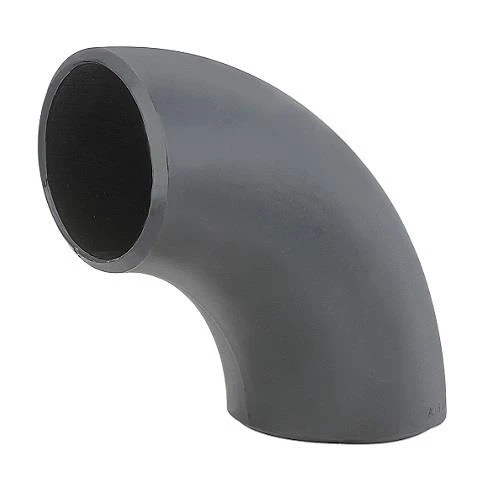
Normalizing is often used as a preliminary treatment before further processing or as a final treatment for some applications. It provides a good balance between strength and toughness, making the A105 steel elbow suitable for a wide range of uses.
Tempering
Tempering is the final step in the heat treatment process. It is carried out after annealing or normalizing to reduce the brittleness of the steel and improve its toughness. The A105 steel elbow is heated to a temperature below the critical range (usually between 595°C and 650°C) and held for a specific time, followed by cooling in air or oil.
Tempering helps to relieve internal stresses, improve the ductility and impact resistance of the steel, and enhance its overall performance. The exact tempering temperature and time depend on the specific requirements of the application and the desired properties of the elbow.
Benefits of Heat Treatment for A105 Steel Elbow
The heat treatment process for A105 steel elbow offers several benefits, including:
- Improved Mechanical Properties: Heat treatment helps to enhance the hardness, strength, toughness, and ductility of the steel, making the elbow more resistant to wear, fatigue, and deformation.
- Enhanced Corrosion Resistance: By modifying the internal structure of the steel, heat treatment can improve its corrosion resistance, especially in harsh environments.
- Better Machinability: Annealing and normalizing processes can refine the grain structure of the steel, making it easier to machine and form into the desired shape.
- Increased Dimensional Stability: Heat treatment helps to relieve internal stresses in the steel, reducing the risk of distortion and ensuring better dimensional stability of the elbow.
Other Related Products
In addition to A105 steel elbows, we also offer a wide range of other carbon steel elbows, including Butt Weld Elbow, Q235 Carbon Steel Elbow, and SCH40 Steel Elbow. These products are also subjected to strict quality control and heat treatment processes to ensure their performance and reliability.
Conclusion
The heat treatment process is an essential part of the manufacturing of A105 steel elbows. It helps to improve the mechanical properties, corrosion resistance, machinability, and dimensional stability of the steel, making the elbow suitable for various applications. As a professional A105 steel elbow supplier, we have extensive experience in heat treatment and can provide high-quality products that meet your specific requirements.
If you are interested in our A105 steel elbows or other related products, please feel free to contact us for more information and to discuss your procurement needs. We look forward to working with you and providing you with the best solutions for your piping systems.
References
- ASME Boiler and Pressure Vessel Code, Section II, Part A - Ferrous Material Specifications
- ASTM A105/A105M - Standard Specification for Carbon Steel Forgings for Piping Applications