

What is the difference between short - radius and long - radius seamless elbows?
Nov 06, 2025
As a seasoned supplier of seamless elbows, I've witnessed firsthand the diverse needs and inquiries from clients across various industries. One of the most common questions that arise is about the difference between short - radius and long - radius seamless elbows. In this blog, I'll delve into the details of these two types of elbows, exploring their characteristics, applications, and advantages.
Understanding the Basics: Radius Definition
Before we dive into the differences, it's essential to understand what "radius" means in the context of seamless elbows. The radius of an elbow refers to the distance from the center of the curvature to the centerline of the pipe. It plays a crucial role in determining the elbow's performance and suitability for different applications.
Short - Radius Seamless Elbows
Short - radius seamless elbows have a radius equal to one times the nominal pipe size (1D). For example, if you have a 2 - inch pipe, the radius of a short - radius elbow for that pipe would be 2 inches. These elbows are characterized by their compact design, which allows for a sharp turn in a relatively small space.
Advantages
- Space - Saving: Due to their compact size, short - radius elbows are ideal for applications where space is limited. In industrial settings with crowded piping systems, such as refineries or chemical plants, short - radius elbows can help optimize the use of available space.
- Cost - Effective: Since they require less material to manufacture, short - radius elbows are generally more cost - effective than their long - radius counterparts. This makes them an attractive option for projects with budget constraints.
Disadvantages
- Higher Pressure Drop: The sharp turn in short - radius elbows causes a higher pressure drop compared to long - radius elbows. This means that more energy is required to maintain the flow of fluid through the pipe, which can increase operating costs in the long run.
- Increased Wear and Tear: The high - velocity flow of fluid around the sharp bend can cause more wear and tear on the inner surface of the elbow. This can lead to premature failure and require more frequent replacement.
Applications
Short - radius elbows are commonly used in applications where space is a primary concern and the pressure drop is not a critical factor. Some examples include:

- HVAC Systems: In heating, ventilation, and air - conditioning systems, short - radius elbows can be used to route pipes around obstacles in tight spaces.
- Small - Scale Industrial Piping: In small - scale industrial processes, such as food and beverage production or pharmaceutical manufacturing, short - radius elbows can be used to connect pipes in a compact layout.
Long - Radius Seamless Elbows
Long - radius seamless elbows have a radius equal to 1.5 times the nominal pipe size (1.5D). This results in a more gradual curve compared to short - radius elbows.
Advantages
- Lower Pressure Drop: The gradual curve of long - radius elbows allows for a smoother flow of fluid, resulting in a lower pressure drop. This means that less energy is required to maintain the flow, which can lead to significant cost savings over time.
- Reduced Wear and Tear: The smoother flow also reduces the wear and tear on the inner surface of the elbow, extending its service life. This can reduce maintenance costs and downtime.
Disadvantages
- Larger Space Requirement: Long - radius elbows require more space to install due to their larger curvature. This can be a limitation in applications where space is limited.
- Higher Cost: Since they require more material to manufacture, long - radius elbows are generally more expensive than short - radius elbows.
Applications
Long - radius elbows are preferred in applications where a smooth flow of fluid is essential and the pressure drop needs to be minimized. Some examples include:
- Oil and Gas Pipelines: In long - distance oil and gas pipelines, long - radius elbows are used to ensure a smooth flow of hydrocarbons, reducing the risk of blockages and pressure fluctuations.
- Power Generation Plants: In power generation plants, long - radius elbows are used in steam and water piping systems to minimize energy losses and ensure efficient operation.
Comparing Short - Radius and Long - Radius Elbows in Specific Applications
Let's take a closer look at how the choice between short - radius and long - radius elbows can impact specific applications.
Chemical Processing Plants
In chemical processing plants, the choice between short - radius and long - radius elbows depends on the nature of the chemicals being transported and the layout of the piping system. For corrosive chemicals, long - radius elbows are often preferred due to their lower wear and tear. However, if space is limited, short - radius elbows may be used in areas where the pressure drop is not a critical factor.
Water Treatment Facilities
In water treatment facilities, long - radius elbows are commonly used in the main piping systems to ensure a smooth flow of water. This helps to minimize the energy required for pumping and reduces the risk of sediment buildup. Short - radius elbows may be used in smaller auxiliary piping systems where space is limited.
Our Product Offerings
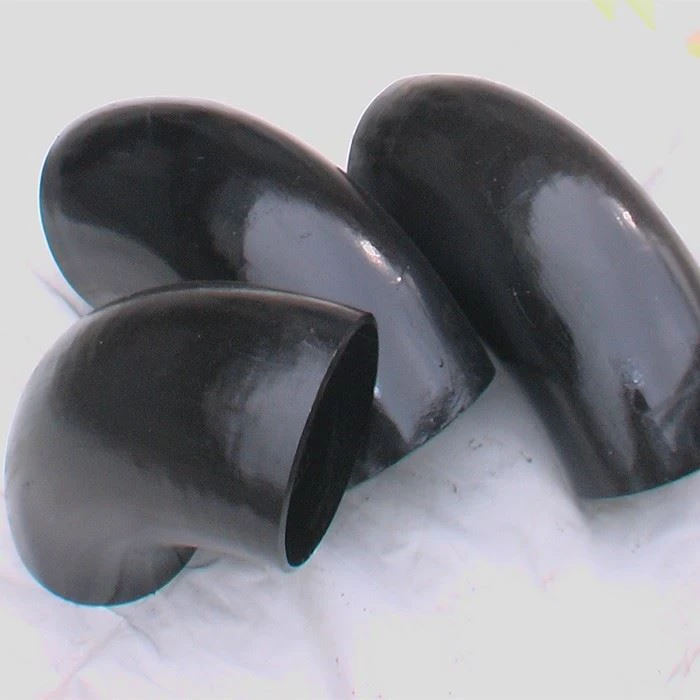
As a seamless elbow supplier, we offer a wide range of short - radius and long - radius seamless elbows to meet the diverse needs of our clients. Our products include Carbon Steel LR Elbow SCH40 DN80, Carbon Steel 90 Degree Elbow, and ANSI Steel Elbow. All our elbows are manufactured to the highest quality standards, ensuring durability and reliability in even the most demanding applications.
Conclusion
In conclusion, the choice between short - radius and long - radius seamless elbows depends on several factors, including space availability, pressure drop requirements, and the nature of the fluid being transported. While short - radius elbows are more compact and cost - effective, they come with a higher pressure drop and increased wear and tear. On the other hand, long - radius elbows offer a smoother flow and lower pressure drop, but they require more space and are more expensive.
If you're in the market for seamless elbows, we encourage you to reach out to us for a consultation. Our team of experts can help you select the right type of elbow for your specific application and provide you with a competitive quote. Whether you need a small quantity for a maintenance project or a large order for a new construction, we have the products and expertise to meet your needs.
References
- "Piping Handbook" by Cameron Engineering and Associates
- "Pipe Fittings Handbook" by Eric L. Shigley and Charles R. Mischke
- Industry standards and guidelines from organizations such as ASME and ASTM