

What is the carbon steel elbow's acoustic performance in a pipeline?
Jun 16, 2025
As a carbon steel elbow supplier, I often encounter inquiries from clients about various aspects of our products. One question that has been coming up more frequently lately is about the acoustic performance of carbon steel elbows in a pipeline. In this blog post, I will delve into this topic, exploring the factors that influence the acoustic behavior of carbon steel elbows and their implications in different pipeline systems.
Understanding the Basics of Acoustic Performance in Pipelines
Before we focus on carbon steel elbows specifically, it's important to understand the general concept of acoustic performance in pipelines. In a pipeline system, fluid flow generates noise due to turbulence, pressure fluctuations, and the interaction between the fluid and the pipe wall. This noise can be a nuisance and, in some cases, can even indicate potential problems such as leaks or blockages.
The acoustic performance of a pipeline is typically characterized by parameters such as sound pressure level (SPL), frequency spectrum, and acoustic transmission loss. Sound pressure level measures the intensity of the sound, while the frequency spectrum shows the distribution of sound energy across different frequencies. Acoustic transmission loss, on the other hand, quantifies how much the sound is attenuated as it travels through the pipeline.
Factors Affecting the Acoustic Performance of Carbon Steel Elbows
1. Geometry of the Elbow
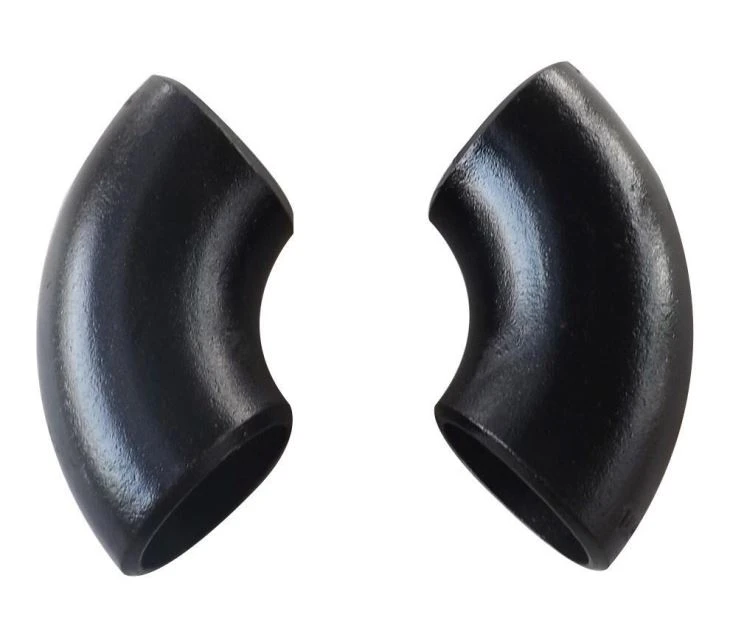
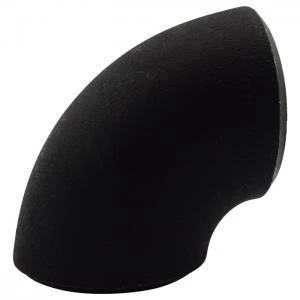
The geometry of a carbon steel elbow plays a crucial role in its acoustic performance. Elbows come in different angles, such as 45 degrees, 90 degrees, and 180 degrees. Among these, 90-degree elbows are the most commonly used in pipeline systems. The 90 Degree Lr Elbow with a long radius (Lr) design can have a different acoustic behavior compared to a short radius (SR) elbow.
A long radius elbow allows the fluid to flow more smoothly around the bend, reducing turbulence and, consequently, the generation of noise. In contrast, a SR Elbow can cause more abrupt changes in the flow direction, leading to higher turbulence and increased noise levels. The curvature of the elbow also affects the reflection and refraction of sound waves within the pipeline, which can impact the overall acoustic performance.
2. Material Properties of Carbon Steel
Carbon steel is a popular choice for pipeline elbows due to its strength, durability, and cost-effectiveness. However, the material properties of carbon steel can also influence its acoustic behavior. The density and elastic modulus of carbon steel determine how sound waves propagate through the material.
Higher density materials tend to have better sound insulation properties, as they can absorb and dissipate more sound energy. Additionally, the surface finish of the carbon steel elbow can affect the friction between the fluid and the pipe wall, which in turn can impact the generation of noise. A smooth surface finish can reduce friction and turbulence, resulting in lower noise levels.
3. Fluid Properties
The properties of the fluid flowing through the pipeline also have a significant impact on the acoustic performance of carbon steel elbows. Factors such as fluid velocity, viscosity, and density can all affect the generation and propagation of sound waves.
Higher fluid velocities can lead to increased turbulence and noise generation, especially in areas where the flow is disrupted, such as at the elbow. Viscous fluids can dampen the sound waves to some extent, reducing the overall noise level. The density of the fluid can also influence the speed of sound propagation within the pipeline, which can affect the frequency spectrum of the noise.
4. Pipeline System Configuration
The overall configuration of the pipeline system, including the presence of other components such as valves, pumps, and reducers, can interact with the carbon steel elbow and affect its acoustic performance. For example, a pump can introduce additional noise into the system, and the elbow may amplify or attenuate this noise depending on its location and geometry.
The distance between elbows and other components can also impact the acoustic behavior. If elbows are placed too close together, the sound waves generated at each elbow can interfere with each other, leading to complex acoustic patterns and potentially higher noise levels.
Implications of Acoustic Performance in Different Pipeline Applications
1. Industrial Pipelines
In industrial settings, such as chemical plants and refineries, the acoustic performance of carbon steel elbows is of great importance. High noise levels can not only be a nuisance to workers but can also indicate potential problems in the pipeline system. For example, excessive noise from an elbow may be a sign of erosion or corrosion, which can lead to leaks and safety hazards.
By selecting carbon steel elbows with good acoustic performance, industrial operators can reduce noise pollution, improve the working environment, and enhance the reliability of their pipeline systems.
2. HVAC Systems
In heating, ventilation, and air conditioning (HVAC) systems, the acoustic performance of carbon steel elbows is crucial for maintaining a quiet and comfortable indoor environment. HVAC systems typically use ductwork made of carbon steel, and elbows are used to change the direction of the airflow.
Noisy elbows can transmit sound into the occupied spaces, causing discomfort to building occupants. By choosing elbows with low noise generation and good acoustic insulation properties, HVAC designers can ensure that the system operates quietly and efficiently.
3. Water Supply and Drainage Systems
In water supply and drainage systems, the acoustic performance of carbon steel elbows can affect the quality of life for building occupants. Excessive noise from water flowing through the pipes can be heard in bathrooms, kitchens, and other areas, which can be annoying.
Proper selection of carbon steel elbows can help reduce noise transmission and ensure a quiet water supply and drainage system. For example, using long radius elbows in areas where the water flow direction changes can minimize turbulence and noise generation.
Measuring and Improving the Acoustic Performance of Carbon Steel Elbows
1. Measuring Acoustic Performance
To accurately assess the acoustic performance of carbon steel elbows, various measurement techniques can be used. One common method is to use microphones to measure the sound pressure level at different points in the pipeline system. The frequency spectrum of the noise can also be analyzed using a spectrum analyzer.
In addition to in-situ measurements, laboratory testing can be conducted to evaluate the acoustic performance of carbon steel elbows under controlled conditions. This can provide valuable data for product development and quality control.
2. Improving Acoustic Performance
There are several ways to improve the acoustic performance of carbon steel elbows. One approach is to optimize the geometry of the elbow, such as using long radius designs and smooth surface finishes. Another method is to apply acoustic insulation materials to the outside of the elbow, which can absorb and reduce the transmission of sound waves.
In some cases, the use of flow straighteners or diffusers upstream of the elbow can help reduce turbulence and noise generation. Additionally, proper installation and maintenance of the pipeline system, including ensuring proper alignment and support of the elbows, can also contribute to better acoustic performance.
Conclusion
In conclusion, the acoustic performance of carbon steel elbows in a pipeline is influenced by a variety of factors, including geometry, material properties, fluid properties, and pipeline system configuration. Understanding these factors is essential for selecting the right carbon steel elbows for different pipeline applications and ensuring optimal acoustic performance.
As a carbon steel elbow supplier, we are committed to providing high-quality products that meet the acoustic requirements of our clients. Our 90 Degree Lr Elbow, SR Elbow, and ANSI Steel Elbow are designed and manufactured with careful consideration of acoustic performance.
If you are interested in learning more about our carbon steel elbows or have specific requirements for your pipeline project, please feel free to contact us. We look forward to discussing your needs and providing you with the best solutions.
References
- White, F. M. (2003). Fluid Mechanics. McGraw-Hill.
- Blevins, R. D. (1984). Flow-Induced Vibration. Van Nostrand Reinhold.
- Beranek, L. L. (1988). Noise and Vibration Control Engineering: Principles and Applications. Wiley.