

What are the radiation - resistance properties of GOST Blind Flange?
Jul 11, 2025
Hey there! As a supplier of GOST Blind Flanges, I often get asked about the radiation - resistance properties of these flanges. So, I thought I'd take the time to break it down for you all.
First off, let's understand what a GOST Blind Flange is. The GOST standard, which stands for Gosudarstvennyy Standart (State Standard in Russian), sets the rules for a variety of industrial products, including flanges. A blind flange, as the name suggests, is a type of flange that is used to close the end of a pipe, valve, or vessel. It doesn't have a bore in the center like other flanges, and its main job is to block the flow of fluid or gas and provide a seal.
Now, onto the big question: What are the radiation - resistance properties of GOST Blind Flanges?
Material Composition and Radiation Resistance
The radiation - resistance of a GOST Blind Flange largely depends on the material it's made from. Most GOST Blind Flanges are crafted from metals like steel, stainless steel, or alloy steel. These materials have different levels of resistance to radiation.
Steel, for example, is a common choice for many industrial applications. It has a decent level of radiation resistance due to its density and atomic structure. The high - density nature of steel helps to absorb and scatter radiation particles. When radiation hits the steel surface, the particles interact with the atoms in the steel, losing energy in the process. This reduces the intensity of the radiation that passes through the flange.
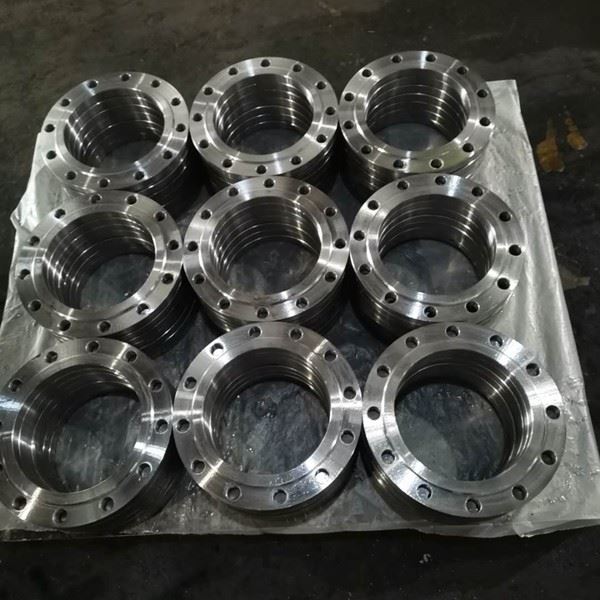

Stainless steel, on the other hand, is even better in terms of radiation resistance. It contains chromium, which forms a protective oxide layer on the surface of the steel. This oxide layer not only protects the steel from corrosion but also enhances its radiation - shielding capabilities. The chromium in stainless steel can absorb certain types of radiation, such as gamma rays, and prevent them from penetrating further.
Alloy steel is another option. It's made by adding other elements like nickel, molybdenum, or vanadium to the steel. These additional elements can significantly improve the radiation - resistance properties of the flange. For instance, nickel has a high atomic number, which means it can interact more effectively with radiation particles. This results in better absorption and scattering of radiation.
Thickness and Design
The thickness of a GOST Blind Flange also plays a crucial role in its radiation - resistance. A thicker flange will generally offer more protection against radiation. As radiation passes through a material, it loses energy with each interaction. So, the more material there is for the radiation to pass through, the more energy it will lose.
The design of the flange can also affect its radiation - resistance. Some GOST Blind Flanges are designed with special features to enhance their shielding capabilities. For example, flanges with a double - layer design or those with internal reinforcement can provide better protection against radiation. These design features increase the amount of material that the radiation has to pass through, thus reducing its intensity.
Applications in Radiation - Prone Environments
GOST Blind Flanges are widely used in industries where radiation is a concern. One such industry is the nuclear power industry. In nuclear power plants, these flanges are used to seal pipes and vessels that carry radioactive materials. Their radiation - resistance properties are essential to prevent the leakage of radiation into the environment.
Another application is in medical facilities. X - ray rooms, radiotherapy units, and other areas where radiation is used require proper shielding. GOST Blind Flanges can be used in the piping systems of these facilities to ensure that radiation is contained within the intended areas.
Comparing Different GOST Flanges
When it comes to radiation - resistance, different types of GOST flanges have their own characteristics. For example, the GOST Standard Plate Forged Flange is known for its high strength and durability. Its forged construction gives it a more uniform structure, which can contribute to better radiation - resistance.
The GOST 12820 - 80 Flat Flange is often used in applications where a flat surface is required. It can be made from various materials, and depending on the material, it can offer good radiation - shielding properties.
The GOST PN16 Steel Collar Flange is designed for use in systems with a specific pressure rating. Its steel construction provides a certain level of radiation resistance, making it suitable for use in radiation - prone environments.
Maintenance and Inspection
To ensure that GOST Blind Flanges maintain their radiation - resistance properties, regular maintenance and inspection are necessary. Over time, the material of the flange can degrade due to factors like corrosion, wear, or exposure to high - energy radiation. This can reduce its effectiveness in shielding radiation.
Inspection should include checking for signs of damage, such as cracks, pits, or corrosion. If any damage is found, the flange should be repaired or replaced immediately. Maintenance also involves cleaning the flange to remove any contaminants that could affect its radiation - resistance.
Why Choose Our GOST Blind Flanges
As a supplier, we take pride in offering high - quality GOST Blind Flanges. Our flanges are made from top - grade materials, and we follow strict manufacturing processes to ensure their radiation - resistance properties. We also offer a wide range of options in terms of material, thickness, and design, so you can choose the flange that best suits your specific needs.
If you're in the market for GOST Blind Flanges with excellent radiation - resistance properties, don't hesitate to get in touch. Whether you're working in the nuclear industry, medical field, or any other industry where radiation is a concern, we can provide you with the right solution. Contact us today to discuss your requirements and start the procurement process.
References
- "Radiation Shielding Materials and Their Applications" - Journal of Nuclear Materials
- "Industrial Flange Design and Applications" - ASME Press
- "GOST Standards for Flanges" - Russian State Standards Organization