

What are the markings on carbon steel elbows and what do they mean?
May 15, 2025
Hey there! As a supplier of carbon steel elbows, I often get asked about the markings on these fittings. What do they mean? Why are they there? Well, in this blog post, I'm gonna break it all down for you.
The Basics of Carbon Steel Elbows
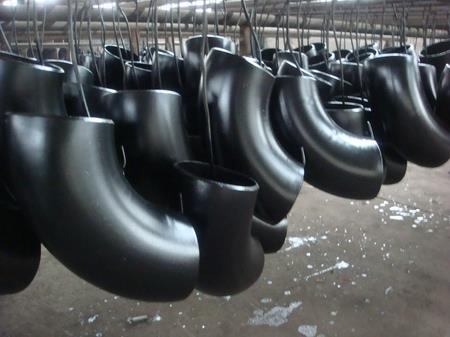
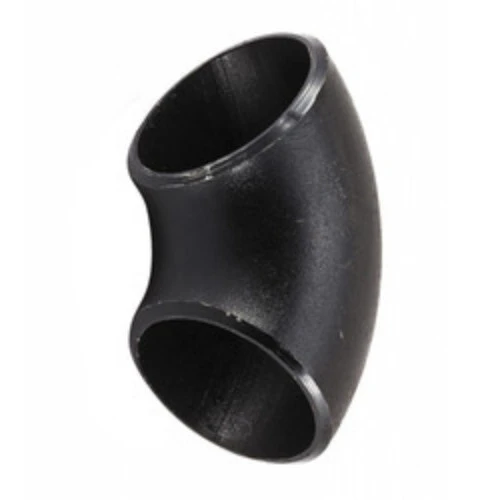
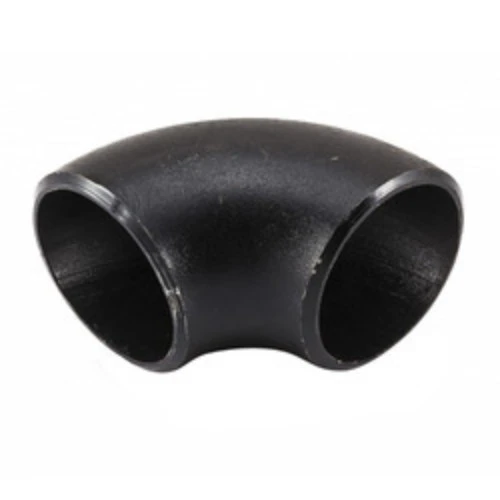
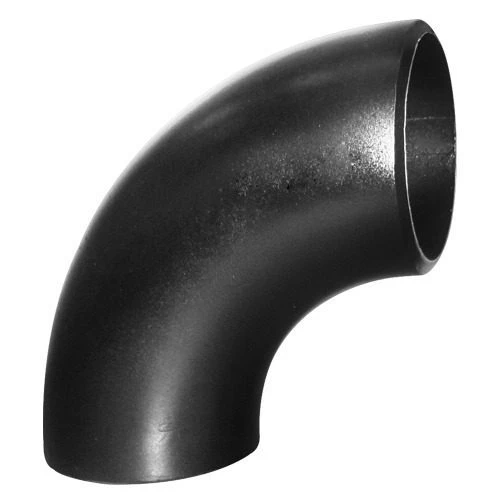
First off, let's talk a bit about carbon steel elbows. They're super important in piping systems, used to change the direction of the flow of fluids or gases. Carbon steel is a popular choice because it's strong, durable, and relatively affordable. We offer a wide range of carbon steel elbows, like the Q235 Carbon Steel Elbow, ANSI Steel Elbow, and ANSI SCH40 Steel Elbow.
Common Markings and Their Meanings
Manufacturer's Logo or Identification
You'll often see a small logo or some letters on the elbow. This is the manufacturer's mark. It's like a signature that tells you who made the elbow. For us, it's a way to stand behind our products. When you see our mark, you know you're getting a high - quality carbon steel elbow that's been made with care and precision.
Size Markings
One of the most obvious markings is the size of the elbow. This usually includes the nominal pipe size (NPS) and the schedule number. The NPS tells you the approximate inside diameter of the pipe that the elbow is designed to fit. For example, if you see "4 NPS", it means the elbow is meant to be used with a 4 - inch nominal diameter pipe.
The schedule number indicates the wall thickness of the elbow. A higher schedule number means a thicker wall. For instance, our ANSI SCH40 Steel Elbow has a specific wall thickness that's defined by the SCH40 standard. This is important because it affects the elbow's pressure - bearing capacity. Thicker - walled elbows can handle higher pressures.
Angle Markings
Carbon steel elbows come in different angles, the most common being 45 degrees and 90 degrees. You'll see a marking that indicates the angle of the bend. A "90°" marking means it's a 90 - degree elbow, which is used to make a sharp turn in the piping system. A 45 - degree elbow, marked as "45°", is used when a less sharp turn is needed.
Material Grade Markings
The material grade marking tells you what type of carbon steel the elbow is made from. For example, "Q235" in the Q235 Carbon Steel Elbow indicates the specific grade of carbon steel. Different grades have different properties, like strength, ductility, and corrosion resistance. Knowing the material grade helps you choose the right elbow for your application.
Heat Number
This is a unique number assigned to a batch of steel during the manufacturing process. It's like a birth certificate for the steel. The heat number allows you to trace the origin of the steel and its manufacturing history. If there are any quality issues or if you need to know more about the steel's properties, the heat number can be used to get that information.
Why Are These Markings Important?
Quality Assurance
Markings are a key part of quality assurance. They ensure that the elbow meets the required standards and specifications. When you're buying a carbon steel elbow, you want to know that it's the right size, made from the right material, and has the correct angle. The markings give you that confidence.
Installation and Compatibility
During installation, the markings help the installers make sure they're using the right elbow in the right place. For example, if they need a 90 - degree elbow with a specific wall thickness for a high - pressure application, they can easily identify the correct elbow based on the markings.
Regulatory Compliance
In many industries, there are strict regulations regarding the use of piping components. The markings on carbon steel elbows help ensure that the products comply with these regulations. If an inspector comes around, they can quickly check the markings to verify that the elbows meet the required standards.
Our Commitment as a Supplier
As a carbon steel elbow supplier, we take marking seriously. We make sure that all our elbows are clearly and accurately marked. We use high - quality marking methods to ensure that the markings stay intact even in harsh environments. Whether it's a small - scale project or a large industrial installation, you can trust that our marked carbon steel elbows will meet your needs.
How to Choose the Right Marked Carbon Steel Elbow for Your Project
Know Your Requirements
First, you need to figure out what your project needs. Consider the fluid or gas that will be flowing through the pipe, the pressure and temperature conditions, and the space available for the piping system. This will help you determine the right size, angle, and material grade of the elbow.
Check the Markings
When you're looking at different carbon steel elbows, always check the markings. Make sure they match your requirements. If you're not sure what a particular marking means, don't hesitate to ask us. We're here to help you make the right choice.
Consider the Application
The application also plays a big role in choosing the right elbow. For example, if you're working in a corrosive environment, you might need an elbow with a higher corrosion - resistant material grade. Or if you're dealing with high - pressure steam, you'll need an elbow with a thick wall and a high - strength material.
Conclusion
So, there you have it! The markings on carbon steel elbows are not just random symbols. They carry a lot of important information that helps you choose the right elbow, ensures quality, and meets regulatory requirements. Whether you're in the construction, oil and gas, or any other industry that uses piping systems, understanding these markings is crucial.
If you're in the market for high - quality carbon steel elbows, we're here to help. We've got a wide range of options, and our products are clearly marked for your convenience. Don't hesitate to reach out to us if you have any questions or if you're ready to place an order. Let's work together to make your project a success!
References
- "Piping Handbook" by George H. Spitzig and J. Paul McKetta
- ASME B16.9 Standard for Factory - Made Wrought Steel Buttwelding Fittings