

What are the joining methods for seamless elbows?
Jun 25, 2025
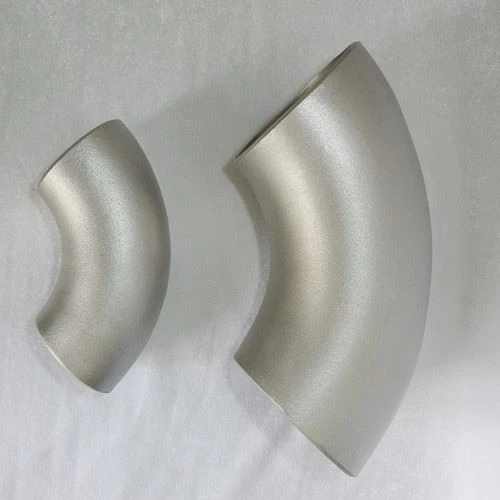
Seamless elbows are essential components in various piping systems, offering smooth flow and efficient redirection of fluids or gases. As a seamless elbow supplier, I understand the importance of choosing the right joining methods to ensure the integrity and performance of the piping system. In this blog, we will explore the different joining methods for seamless elbows, their advantages, and applications.
Welding
Welding is one of the most common and reliable methods for joining seamless elbows. It creates a permanent bond between the elbow and the pipe, providing excellent strength and leak resistance. There are several types of welding processes used for seamless elbows, including:
- Shielded Metal Arc Welding (SMAW): Also known as stick welding, SMAW is a versatile and widely used welding process. It involves using a consumable electrode coated with flux to create an arc between the electrode and the workpiece. SMAW is suitable for a variety of materials and thicknesses, making it a popular choice for joining seamless elbows in many applications.
- Gas Tungsten Arc Welding (GTAW): Also known as TIG welding, GTAW uses a non-consumable tungsten electrode to create an arc between the electrode and the workpiece. A shielding gas, such as argon or helium, is used to protect the weld from oxidation. GTAW produces high-quality welds with excellent precision and control, making it ideal for joining seamless elbows in applications where appearance and quality are critical.
- Gas Metal Arc Welding (GMAW): Also known as MIG welding, GMAW uses a consumable wire electrode to create an arc between the electrode and the workpiece. A shielding gas, such as carbon dioxide or a mixture of argon and carbon dioxide, is used to protect the weld from oxidation. GMAW is a fast and efficient welding process, making it suitable for high-volume production of seamless elbows.
The advantages of welding include:
- Strong and permanent bond: Welding creates a strong and permanent bond between the elbow and the pipe, ensuring the integrity and reliability of the piping system.
- Leak resistance: Welded joints provide excellent leak resistance, preventing the escape of fluids or gases from the piping system.
- Versatility: Welding can be used to join seamless elbows made of various materials, including carbon steel, stainless steel, and alloy steel.
- Customization: Welding allows for customization of the joint, such as the use of different welding processes and techniques to meet specific application requirements.
However, welding also has some limitations, including:
- Skill requirement: Welding requires skilled operators with proper training and certification to ensure the quality and safety of the weld.
- Time-consuming: Welding can be a time-consuming process, especially for large or complex joints.
- Heat-affected zone: Welding generates heat, which can cause changes in the microstructure and properties of the material in the heat-affected zone. This can lead to reduced strength and corrosion resistance in the affected area.
- Cost: Welding equipment and consumables can be expensive, and the cost of welding can add up quickly for large projects.
Flanging
Flanging is another common method for joining seamless elbows. It involves attaching a flange to the end of the elbow and the pipe, and then bolting the flanges together. Flanges provide a convenient and removable connection between the elbow and the pipe, allowing for easy installation, maintenance, and inspection. There are several types of flanges used for seamless elbows, including:
- Weld neck flange: A weld neck flange has a long, tapered neck that is welded to the elbow and the pipe. The weld neck flange provides excellent strength and stress distribution, making it suitable for high-pressure and high-temperature applications.
- Slip-on flange: A slip-on flange has a flat face and a bore that is slightly larger than the outside diameter of the elbow and the pipe. The slip-on flange is slipped over the end of the elbow and the pipe and then welded in place. Slip-on flanges are easy to install and are commonly used in low-pressure and low-temperature applications.
- Socket weld flange: A socket weld flange has a socket that is designed to fit over the end of the elbow and the pipe. The socket weld flange is welded to the elbow and the pipe using a fillet weld. Socket weld flanges are suitable for small-diameter pipes and low-pressure applications.
- Threaded flange: A threaded flange has internal threads that are designed to fit over the end of the elbow and the pipe. The threaded flange is screwed onto the elbow and the pipe and then tightened using a wrench. Threaded flanges are easy to install and are commonly used in low-pressure and low-temperature applications.
The advantages of flanging include:
- Easy installation and removal: Flanges provide a convenient and removable connection between the elbow and the pipe, allowing for easy installation, maintenance, and inspection.
- Leak resistance: Flanges can be sealed using gaskets to provide excellent leak resistance.
- Versatility: Flanges can be used to join seamless elbows made of various materials, including carbon steel, stainless steel, and alloy steel.
- Customization: Flanges can be customized to meet specific application requirements, such as the use of different flange types, sizes, and materials.
However, flanging also has some limitations, including:
- Cost: Flanges and gaskets can be expensive, and the cost of flanging can add up quickly for large projects.
- Space requirement: Flanges require additional space around the joint, which can be a limitation in some applications.
- Bolt tightening: Flanges require proper bolt tightening to ensure the integrity and leak resistance of the joint. Improper bolt tightening can lead to leaks and other problems.
- Corrosion: Flanges and gaskets are exposed to the environment, which can lead to corrosion and degradation over time.
Threading
Threading is a method of joining seamless elbows by cutting threads on the end of the elbow and the pipe and then screwing them together. Threaded connections provide a simple and cost-effective way to join seamless elbows, especially for small-diameter pipes and low-pressure applications. There are several types of threads used for seamless elbows, including:
- NPT (National Pipe Thread): NPT is a standard thread used in the United States for joining pipes and fittings. NPT threads are tapered, which provides a tight seal when the threads are tightened.
- BSP (British Standard Pipe): BSP is a standard thread used in the United Kingdom and other countries for joining pipes and fittings. BSP threads are parallel or tapered, depending on the application.
- Metric threads: Metric threads are used in many countries around the world for joining pipes and fittings. Metric threads are available in various sizes and pitches.
The advantages of threading include:
- Easy installation: Threaded connections are easy to install and do not require special tools or equipment.
- Cost-effective: Threaded connections are relatively inexpensive compared to other joining methods, such as welding and flanging.
- Removable: Threaded connections can be easily removed and reinstalled, allowing for easy maintenance and repair.
However, threading also has some limitations, including:
- Leakage: Threaded connections can be prone to leakage, especially if the threads are not properly tightened or if the sealing compound is not used.
- Limited pressure and temperature rating: Threaded connections are generally not suitable for high-pressure and high-temperature applications, as the threads can loosen or fail under extreme conditions.
- Thread damage: Threads can be easily damaged during installation or removal, which can affect the integrity and performance of the joint.
Compression Fittings
Compression fittings are a type of mechanical fitting used for joining seamless elbows. They consist of a compression nut, a compression ring, and a body. The compression ring is placed over the end of the elbow and the pipe, and the compression nut is tightened onto the body, compressing the ring and creating a seal between the elbow and the pipe. Compression fittings provide a quick and easy way to join seamless elbows, especially for small-diameter pipes and low-pressure applications.
The advantages of compression fittings include:
- Easy installation: Compression fittings can be installed quickly and easily without the need for special tools or equipment.
- Removable: Compression fittings can be easily removed and reinstalled, allowing for easy maintenance and repair.
- Leak resistance: Compression fittings provide a reliable seal, preventing the escape of fluids or gases from the piping system.
- Versatility: Compression fittings can be used to join seamless elbows made of various materials, including copper, brass, and plastic.
However, compression fittings also have some limitations, including:

- Limited pressure and temperature rating: Compression fittings are generally not suitable for high-pressure and high-temperature applications, as the compression ring can deform or fail under extreme conditions.
- Seal integrity: The seal integrity of compression fittings can be affected by factors such as vibration, thermal expansion, and improper installation.
- Cost: Compression fittings can be more expensive than other joining methods, such as threading.
Conclusion
In conclusion, there are several joining methods available for seamless elbows, each with its own advantages and limitations. The choice of joining method depends on various factors, including the application requirements, the material of the elbow and the pipe, the pressure and temperature rating, and the cost. As a seamless elbow supplier, I can provide you with expert advice and guidance on the best joining method for your specific application. Whether you need a strong and permanent bond, a convenient and removable connection, or a simple and cost-effective solution, I can help you find the right joining method for your seamless elbows.
If you are interested in purchasing seamless elbows or have any questions about joining methods, please [contact us] for more information. Our team of experts is ready to assist you with your piping system needs.
References
- ASME B31.3 - Process Piping
- API 6D - Specification for Pipeline Valves
- ASTM A234 - Standard Specification for Piping Fittings of Wrought Carbon Steel and Alloy Steel for Moderate and High-Temperature Service
- MSS SP-44 - Steel Pipeline Flanges
- ISO 7-1 - Pipe Threads where Seal is Made on the Threads - Part 1: Dimensions, Tolerances and Designations