

What are the environmental impacts of using GOST FLANGE?
Nov 13, 2025
Hey there! I'm a supplier of GOST flanges, and today I want to have a chat about the environmental impacts of using these flanges. As someone in the industry, I've seen firsthand how these components play a role in various projects, but it's also crucial to understand their effects on the environment.
First off, let's talk about what GOST flanges are. GOST is a set of standards used in Russia and some other countries. These flanges are used in a wide range of industries, like oil and gas, chemical processing, and water treatment. They're designed to connect pipes, valves, and other equipment, ensuring a tight seal and reliable operation.
One of the major environmental impacts of using GOST flanges comes from the manufacturing process. Producing these flanges typically involves a lot of energy. The raw materials, usually steel, need to be mined and then processed. Mining operations can have a significant impact on the environment. They can lead to deforestation, soil erosion, and water pollution. For example, when extracting iron ore for steel production, large amounts of waste rock are generated, which can contaminate nearby water sources if not managed properly.
The processing of steel also requires a huge amount of energy. Most steel mills use fossil fuels like coal and natural gas to heat the furnaces. Burning these fossil fuels releases greenhouse gases, such as carbon dioxide and methane, into the atmosphere. These gases contribute to global warming and climate change. As a GOST flange supplier, I'm aware that the energy-intensive nature of our products' manufacturing is a concern. We're constantly looking for ways to reduce this impact, like working with steel manufacturers who are adopting more energy - efficient technologies.
Another aspect to consider is the transportation of GOST flanges. Once they're manufactured, they need to be shipped to customers all over the world. This involves trucks, trains, and ships, all of which consume fuel and emit pollutants. Long - distance shipping, especially by sea, can have a substantial environmental footprint. Shipping vessels burn heavy fuel oil, which contains high levels of sulfur. When burned, it releases sulfur dioxide, a major air pollutant that can cause acid rain and respiratory problems.
However, not all the environmental impacts of GOST flanges are negative. These flanges are designed to be durable and long - lasting. A well - made GOST flange can last for decades, which means fewer replacements are needed over time. This reduces the overall demand for new flanges and, in turn, the environmental impact associated with their manufacturing. For instance, if a PN63 GOST Weld Neck Steel Flange is installed in a pipeline system and functions properly for 30 years, it saves the resources and energy that would be required to produce and install multiple replacement flanges.
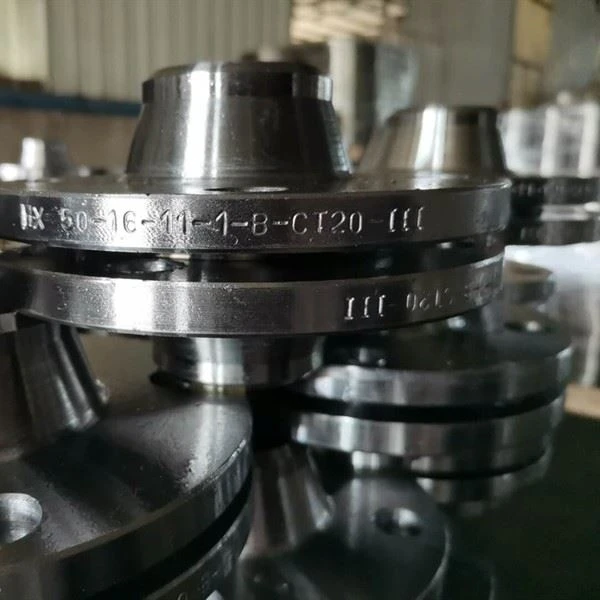
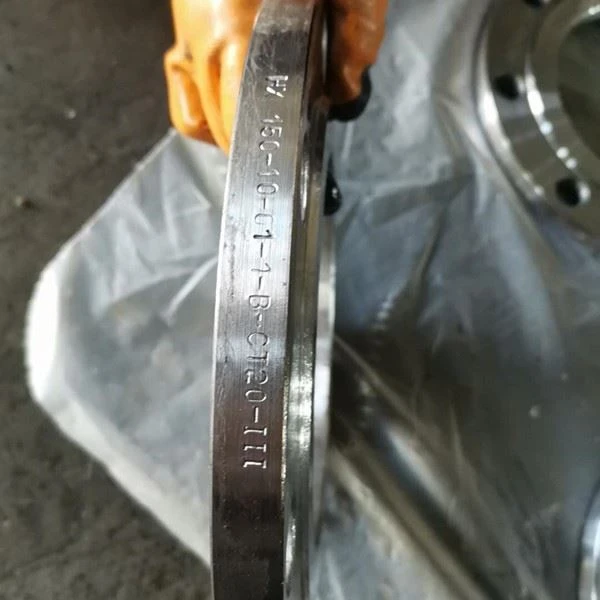
GOST flanges also play a crucial role in preventing leaks in industrial systems. In industries like oil and gas, a leaky flange can lead to the release of harmful substances into the environment. For example, a small oil leak from a pipeline flange can contaminate soil and water, harming wildlife and ecosystems. By providing a reliable seal, GOST flanges help to minimize these risks. A GOST12820 CT20 Steel Flange is engineered to meet high - quality standards, ensuring that it can withstand high pressures and temperatures without leaking.
When it comes to end - of - life management, GOST flanges offer some environmental benefits. Steel is one of the most recyclable materials in the world. At the end of their useful life, GOST flanges can be recycled and turned into new steel products. Recycling steel uses significantly less energy compared to producing new steel from raw materials. It can save up to 75% of the energy required for primary steel production. This not only reduces the demand for virgin materials but also cuts down on greenhouse gas emissions.
As a GOST flange supplier, I'm committed to reducing the environmental impact of our products. We're working with our suppliers to source more sustainable raw materials. For example, we're looking into using recycled steel whenever possible. We're also exploring ways to improve the energy efficiency of our own operations, such as optimizing our storage and shipping processes to reduce waste and fuel consumption.
We're also promoting the use of our GOST Standard Plate Forged Flange and other products as part of a more sustainable industrial infrastructure. By providing high - quality, long - lasting flanges, we can help our customers build systems that are more reliable and have a lower environmental impact over their lifetime.
If you're in the market for GOST flanges, I encourage you to consider the environmental aspects. Our products are designed not only to meet your technical requirements but also to minimize their environmental footprint. Whether you're involved in a small - scale water treatment project or a large - scale oil and gas development, we have the right flanges for you. We're ready to have a detailed discussion about your needs and how we can provide solutions that are both effective and environmentally friendly. Contact us today to start the conversation about your GOST flange requirements.
References
- "Environmental Impacts of Steel Production" - International Iron and Steel Institute
- "Shipping and the Environment" - International Maritime Organization
- "Recycling of Metals: A Review" - Journal of Cleaner Production