

What are the common defects in seamless elbows and how to detect them?
Oct 14, 2025
Hey there! As a seamless elbow supplier, I've seen my fair share of common defects in these crucial components. Seamless elbows are widely used in various industries, from oil and gas to plumbing, because of their smooth inner surface and high strength. But like any product, they can have some issues. In this blog, I'll talk about the common defects in seamless elbows and how to detect them.
Common Defects in Seamless Elbows
1. Cracks
Cracks are one of the most serious defects in seamless elbows. They can occur during the manufacturing process, especially if the raw material has some internal flaws or if the forming process is not done correctly. Cracks can also develop over time due to factors like stress, corrosion, or improper installation.
Stress cracks often appear at the bend of the elbow, where the material is under the most strain. These cracks can start small but quickly grow and lead to the failure of the elbow. Corrosion cracks, on the other hand, are caused by the chemical reaction between the metal and the surrounding environment. For example, in a pipeline carrying corrosive fluids, the elbow may develop cracks due to the continuous attack of the corrosive agents.
2. Wall Thickness Variation
Another common defect is the variation in wall thickness. During the manufacturing of seamless elbows, it's possible that the wall thickness is not uniform throughout the elbow. This can happen due to problems in the rolling or forging process.
A significant wall thickness variation can affect the strength and performance of the elbow. If a section of the elbow has a thinner wall than the rest, it will be more prone to failure under pressure. For instance, in a high - pressure pipeline, a thin - walled section of the elbow may burst, causing a leak or even an explosion.
3. Surface Defects
Surface defects include scratches, pits, and dents. Scratches can occur during handling, transportation, or storage. They may seem minor at first, but they can actually act as starting points for corrosion. Pits are small holes on the surface of the elbow, which are usually caused by corrosion or improper heat treatment. Dents, on the other hand, can be the result of physical impact.
These surface defects not only affect the appearance of the seamless elbow but also its performance. They can disrupt the flow of fluid inside the pipeline and increase the risk of corrosion and stress concentration.
4. Material Inhomogeneity
Material inhomogeneity means that the chemical composition and structure of the metal in the seamless elbow are not uniform. This can happen if the raw material is not properly melted or if there are impurities in the metal.
Inhomogeneous material can lead to different mechanical properties in different parts of the elbow. For example, some areas may be more brittle while others are more ductile. This can cause uneven stress distribution and increase the likelihood of failure.
How to Detect These Defects
1. Visual Inspection
Visual inspection is the simplest and most basic method of detecting defects in seamless elbows. By simply looking at the elbow, you can spot obvious surface defects like scratches, dents, and pits. You can also check for any visible cracks on the surface.
However, visual inspection has its limitations. It can only detect surface - level defects, and it may not be able to identify internal cracks or wall thickness variations. But it's still a good first step in the inspection process.
2. Ultrasonic Testing
Ultrasonic testing is a non - destructive testing method that uses high - frequency sound waves to detect internal defects in the seamless elbow. The sound waves are sent into the metal, and if there are any defects like cracks or inhomogeneities, the waves will be reflected or scattered.
This method is very effective in detecting internal cracks and can also provide information about the size and location of the defects. It's widely used in the industry because it's relatively fast and accurate.
3. Magnetic Particle Testing
Magnetic particle testing is suitable for detecting surface and near - surface defects in ferromagnetic materials. In this method, a magnetic field is applied to the seamless elbow, and then magnetic particles are sprinkled on the surface. If there are any defects, the magnetic field will be distorted, and the magnetic particles will accumulate at the defect site, making it visible.
This method is very sensitive to surface and near - surface cracks and is relatively easy to perform. However, it can only be used on ferromagnetic materials.
4. Radiographic Testing
Radiographic testing uses X - rays or gamma rays to create an image of the internal structure of the seamless elbow. This method can detect internal defects like cracks, wall thickness variations, and inhomogeneities.
The image obtained from radiographic testing can provide detailed information about the size, shape, and location of the defects. But it requires special equipment and trained personnel, and there are also safety concerns associated with the use of radiation.
5. Wall Thickness Measurement
To detect wall thickness variation, you can use tools like ultrasonic thickness gauges. These gauges work by sending ultrasonic waves through the wall of the elbow and measuring the time it takes for the waves to bounce back. Based on this time, the thickness of the wall can be calculated.
Regular wall thickness measurement is important, especially for elbows that are used in high - pressure or corrosive environments. It can help you identify any thinning of the wall over time and take preventive measures.
High - Quality Seamless Elbows from Our Company
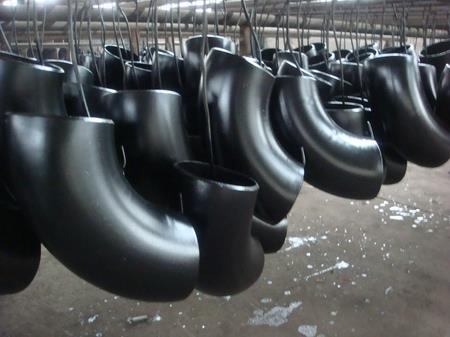
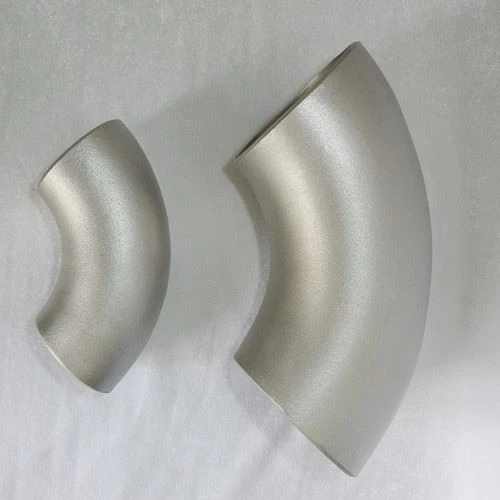
At our company, we offer a wide range of high - quality seamless elbows, including A105 Steel Elbow, Q235 Carbon Steel Elbow, and Carbon Steel Fitting 60 90 Degree Black Ms Bend Pipe Elbow. We take quality control very seriously and use advanced inspection methods to ensure that our products meet the highest standards.
We understand the importance of defect - free seamless elbows in your projects. That's why we have a strict quality management system in place, from the selection of raw materials to the final inspection of the finished products.
If you're in the market for seamless elbows, don't hesitate to contact us for a quote. We're always ready to provide you with the best products and services. Whether you need a small quantity for a DIY project or a large order for an industrial project, we can meet your needs. Let's work together to ensure the success of your projects!
References
- ASME B16.9 - Factory - Made Wrought Buttwelding Fittings
- API 5L - Specification for Line Pipe
- ASTM A234 - Standard Specification for Piping Fittings of Wrought Carbon Steel and Alloy Steel for Moderate and High - Temperature Service