

What are the anti - erosion properties of GOST Blind Flange?
Jul 02, 2025
Hey there! I'm a supplier of GOST Blind Flanges, and today I wanna chat about the anti - erosion properties of these flanges.
First off, let's understand what erosion is. Erosion in the context of flanges is basically the gradual wearing away of the flange material due to the flow of fluids (like liquids or gases) containing abrasive particles, or due to chemical reactions. It can cause serious problems such as leaks, reduced structural integrity, and ultimately, system failure.
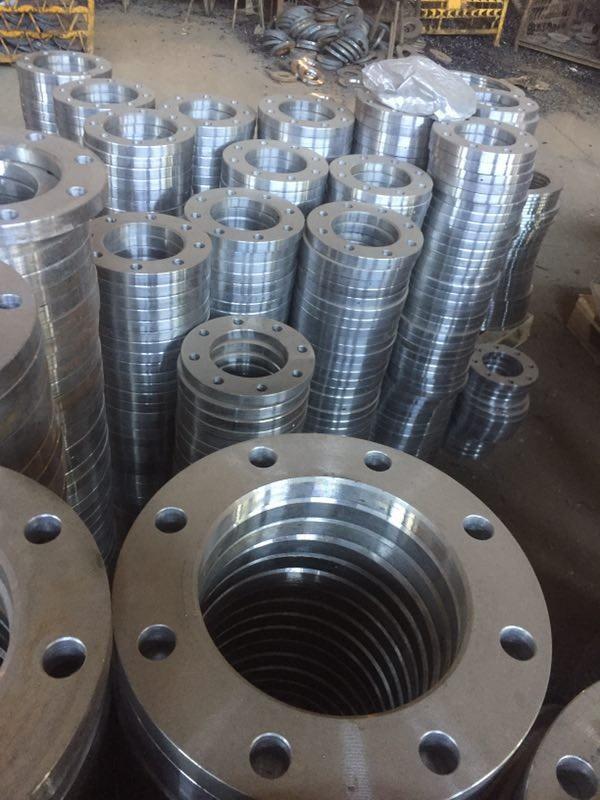
GOST Blind Flanges are designed with some pretty cool features that give them great anti - erosion properties. One of the key factors is the material used. These flanges are often made from high - quality steels. The steel composition is carefully chosen to resist corrosion and erosion. For example, the carbon content and the presence of other alloying elements like chromium and nickel play a big role. Chromium can form a passive oxide layer on the surface of the flange, which acts as a barrier against corrosive agents and abrasive particles. Nickel, on the other hand, enhances the toughness and ductility of the steel, making it more resistant to the impact of flowing fluids.
Another important aspect is the manufacturing process. GOST Blind Flanges are usually forged. Forging is a process that involves shaping the metal by applying compressive forces. This process aligns the grain structure of the metal in a way that makes it stronger and more resistant to erosion. The forging also eliminates any internal voids or defects that could act as starting points for erosion.
The surface finish of GOST Blind Flanges also contributes to their anti - erosion properties. A smooth surface finish reduces the friction between the flange and the flowing fluid. When there's less friction, there's less chance of abrasive particles getting stuck on the surface and causing erosion. Additionally, a smooth surface is less likely to develop micro - cracks or pits, which can accelerate the erosion process.
Let's talk about how these anti - erosion properties translate into real - world applications. In industries like oil and gas, where pipelines carry fluids with high levels of sand and other abrasive particles, GOST Blind Flanges can last much longer compared to flanges with poor anti - erosion properties. This means fewer replacements, less downtime for maintenance, and ultimately, cost savings for the companies.
In the chemical industry, where the fluids are often corrosive, the anti - erosion properties of these flanges are crucial. The passive oxide layer formed by the alloying elements in the steel can protect the flange from the harsh chemical environment. This helps prevent leaks that could lead to environmental hazards and costly clean - ups.
Now, if you're looking for high - quality GOST Blind Flanges, you might be interested in checking out some of our related products. We offer GOST 12820-80 Steel Flange, which is known for its excellent performance and anti - erosion features. Our GOST Standard Plate Forged Flange is also a great option, with a robust design that can withstand tough operating conditions. And don't forget about the GOST 12820 Steel Flange, which combines the best of both worlds in terms of material quality and manufacturing precision.
If you're in the market for GOST Blind Flanges or any of our related products, I'd love to have a chat with you. Whether you have questions about the anti - erosion properties, the specifications, or the pricing, I'm here to help. Just reach out, and we can start a discussion about how our flanges can meet your specific needs.
References

- Steel Materials Handbook: Covers the properties of different steel alloys used in flange manufacturing.
- Forging Technology Manual: Explains the forging process and its impact on the mechanical properties of metals.
- Industry Case Studies: Real - world examples of how GOST flanges perform in different industrial settings.