

How to store GOST Collar Flange properly?
Sep 11, 2025
Proper storage of GOST Collar Flanges is crucial for maintaining their quality and performance. As a trusted GOST Collar Flange supplier, I understand the significance of ensuring that these essential components are stored correctly to prevent damage and preserve their integrity. In this blog post, I will share some valuable insights and practical tips on how to store GOST Collar Flanges properly.
Understanding GOST Collar Flanges
Before delving into the storage methods, it's important to have a basic understanding of GOST Collar Flanges. GOST, which stands for Gosudarstvennyy Standart (State Standard) in Russian, is a set of standards used in Russia and other former Soviet Union countries. GOST Collar Flanges are designed and manufactured according to these specific standards, ensuring high - quality and compatibility in various industrial applications.
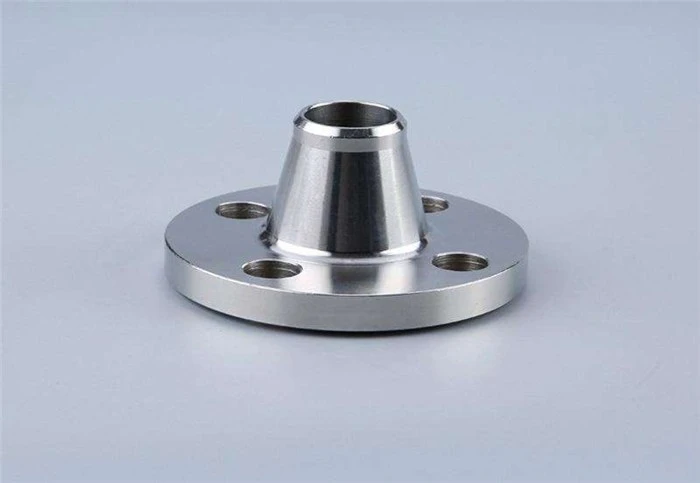
There are different types of GOST Collar Flanges, such as the GOST 12820 - 80 Steel Flange, GOST 12821 - 80 Flange, and GOST12821 - 80 Weld Neck Plate Forged Flange. Each type has its own unique features and applications, but they all require proper storage to maintain their functionality.
Factors Affecting Storage
Several factors can impact the storage of GOST Collar Flanges. These include environmental conditions, handling during storage, and the duration of storage.
Environmental Conditions
- Temperature: Extreme temperatures can cause thermal expansion or contraction of the flanges, which may lead to warping or cracking. Ideally, the storage temperature should be maintained within a moderate range, typically between 10°C and 30°C.
- Humidity: High humidity can cause corrosion on the surface of the flanges, especially if they are made of steel. It is recommended to store the flanges in a dry environment with a relative humidity of less than 60%.
- Dust and Debris: Dust and debris can accumulate on the flanges, which may interfere with their proper installation and performance. The storage area should be clean and free from excessive dust.
Handling During Storage
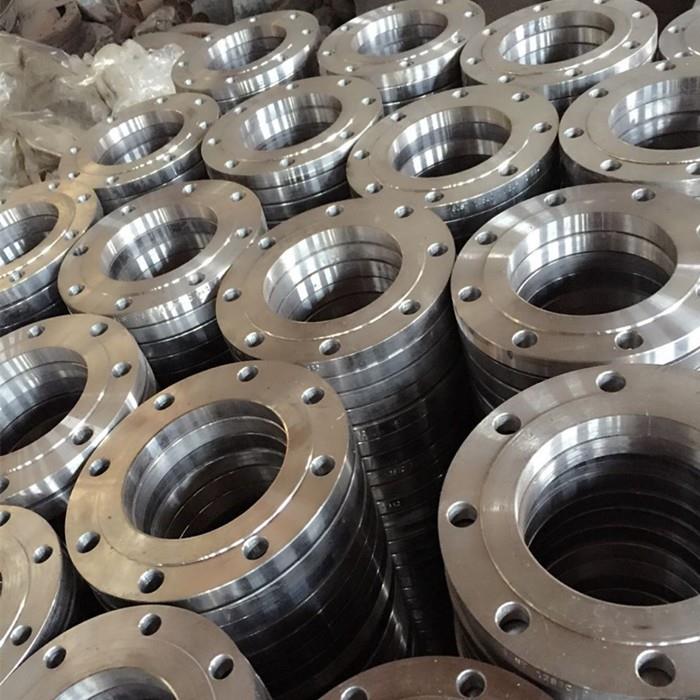
- Stacking: Improper stacking of flanges can lead to deformation. Flanges should be stacked in a stable and orderly manner, with appropriate spacers between each layer to prevent scratching and damage.
- Lifting and Moving: When lifting and moving the flanges, it is important to use proper equipment and techniques to avoid dropping or hitting them, which can cause cracks or other forms of damage.
Duration of Storage
- Short - term Storage: For short - term storage (less than 3 months), the flanges can be stored in a simple, clean area. However, basic protection measures such as covering them with a plastic sheet should still be taken.
- Long - term Storage: Long - term storage (more than 3 months) requires more comprehensive protection. The flanges may need to be coated with a protective layer and stored in a more controlled environment.
Storage Methods
Indoor Storage
- Warehouse: A well - ventilated and dry warehouse is an ideal place for storing GOST Collar Flanges. The warehouse should be equipped with racks or shelves to keep the flanges organized and off the ground. This helps to prevent contact with moisture and dirt on the floor.
- Racking System: Using a racking system allows for easy access to the flanges and reduces the risk of damage during storage. Flanges can be stored horizontally or vertically on the racks, depending on their size and shape.
- Covering: Flanges should be covered with a protective material, such as a plastic sheet or a tarp, to prevent dust and moisture from settling on them.
Outdoor Storage
- If outdoor storage is unavoidable:
- Elevated Platform: Place the flanges on an elevated platform to keep them away from standing water and reduce the risk of corrosion.
- Weatherproof Cover: Use a weatherproof cover to protect the flanges from rain, snow, and sunlight. The cover should be tightly secured to prevent it from being blown away by the wind.
Protection Measures
Surface Protection
- Coating: Applying a protective coating to the flanges can significantly reduce the risk of corrosion. There are various types of coatings available, such as epoxy coatings, zinc coatings, and paint coatings. The choice of coating depends on the specific requirements of the flanges and the storage environment.
- Greasing: Greasing the flanges can also provide a certain degree of protection. A thin layer of grease can be applied to the surface of the flanges to prevent moisture from coming into contact with the metal.
Packaging
- Individual Packaging: Each flange can be individually wrapped in a plastic bag or a protective paper to prevent scratches and damage during storage and transportation.
- Group Packaging: For a large number of flanges, they can be grouped and packaged together in a wooden crate or a metal container. This provides additional protection and makes it easier to handle and transport the flanges.
Inspection and Maintenance
Regular Inspection
- Visual Inspection: Conduct regular visual inspections of the stored flanges to check for any signs of damage, such as cracks, corrosion, or deformation. If any issues are detected, appropriate measures should be taken immediately.
- Measurement: Periodically measure the dimensions of the flanges to ensure that they have not changed due to storage conditions.
Maintenance
- Cleaning: If dirt or debris is found on the flanges during inspection, they should be cleaned using a soft brush or a cloth. Avoid using abrasive materials that may scratch the surface of the flanges.
- Re - coating or Re - greasing: If the protective coating or grease has worn off, it should be reapplied to maintain the protection of the flanges.
Conclusion
Proper storage of GOST Collar Flanges is essential for maintaining their quality and performance. By considering the environmental conditions, handling during storage, and implementing appropriate storage methods and protection measures, you can ensure that your flanges remain in excellent condition until they are ready for use.
As a reliable GOST Collar Flange supplier, I am committed to providing high - quality products and sharing my expertise in flange storage and maintenance. If you are interested in purchasing GOST Collar Flanges or have any questions about their storage, please feel free to contact me for further discussion and negotiation. I look forward to serving you and meeting your flange needs.
References
- Standards of GOST for Flanges.
- Industrial Handbook on Flange Storage and Maintenance.