

How to improve the performance of A105 Steel Elbow?
Oct 03, 2025
Hey there! I'm a supplier of A105 Steel Elbows, and I've been in this business for quite some time. Over the years, I've learned a thing or two about how to improve the performance of these elbows. In this blog post, I'm gonna share some tips and tricks that can help you get the most out of your A105 Steel Elbows.
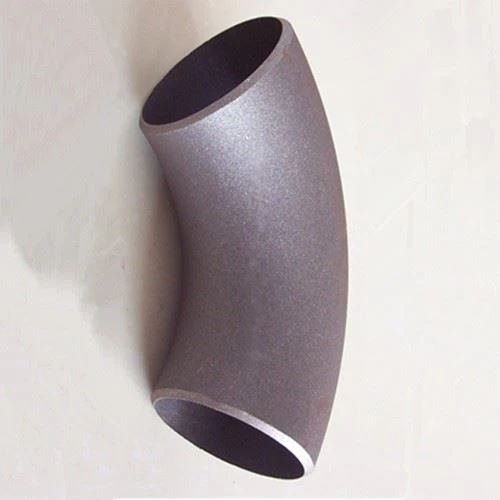
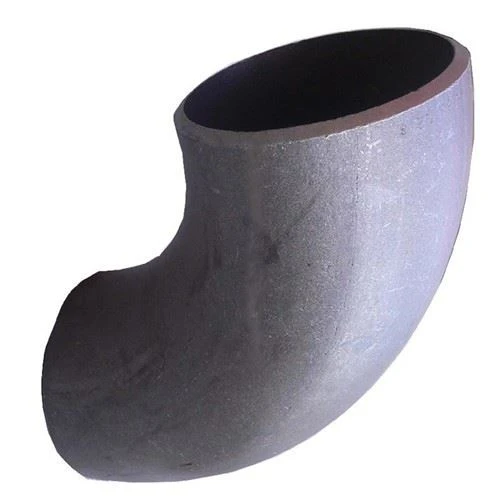
Understanding A105 Steel Elbows
First things first, let's talk a bit about what A105 Steel Elbows are. A105 is a standard specification for forged carbon steel piping components, including elbows. These elbows are widely used in various industries, such as oil and gas, chemical, and power generation, because of their good strength, ductility, and weldability.
But like any other product, the performance of A105 Steel Elbows can be affected by several factors, including the manufacturing process, material quality, and installation conditions. So, if you want to improve their performance, you need to pay attention to these aspects.
Quality of Raw Materials
The quality of the raw materials used to make A105 Steel Elbows is crucial. You want to make sure that the steel you're using meets the ASTM A105 standard. This standard specifies the chemical composition, mechanical properties, and heat treatment requirements for A105 steel.
When you're sourcing the raw materials, look for a reliable supplier who can provide you with high-quality steel. Check the material certificates to ensure that the steel has the right chemical composition and mechanical properties. For example, the carbon content in A105 steel should be between 0.20% and 0.35%, and the yield strength should be at least 35,000 psi.
Manufacturing Process
The manufacturing process also plays a significant role in the performance of A105 Steel Elbows. There are several steps involved in making these elbows, including forging, machining, and heat treatment.
- Forging: Forging is the process of shaping the steel by applying compressive forces. This process helps to improve the grain structure of the steel, making it stronger and more ductile. When forging A105 Steel Elbows, make sure to use the right forging temperature and pressure. If the forging temperature is too high, the steel may become overheated and lose its mechanical properties. On the other hand, if the forging temperature is too low, the steel may not be fully formed, leading to internal defects.
- Machining: After forging, the elbows need to be machined to the required dimensions. Machining involves cutting, drilling, and grinding the steel to achieve the desired shape and surface finish. When machining A105 Steel Elbows, use sharp cutting tools and the right machining parameters to avoid damaging the steel.
- Heat Treatment: Heat treatment is an important step in the manufacturing process of A105 Steel Elbows. It helps to relieve the internal stresses in the steel and improve its mechanical properties. The most common heat treatment process for A105 steel is normalizing, which involves heating the steel to a specific temperature and then cooling it in air. This process helps to refine the grain structure of the steel and improve its strength and toughness.
Surface Treatment
Surface treatment can also improve the performance of A105 Steel Elbows. There are several surface treatment methods available, such as painting, galvanizing, and coating.
- Painting: Painting the elbows can help to protect them from corrosion. Choose a high-quality paint that is suitable for the operating environment. For example, if the elbows are going to be used in a marine environment, use a paint that is resistant to saltwater corrosion.
- Galvanizing: Galvanizing is the process of coating the steel with a layer of zinc. This layer of zinc acts as a sacrificial anode, protecting the steel from corrosion. Galvanized A105 Steel Elbows are commonly used in outdoor applications where corrosion is a concern.
- Coating: Coating the elbows with a protective coating can also improve their corrosion resistance. There are several types of coatings available, such as epoxy coatings, polyurethane coatings, and ceramic coatings. Choose a coating that is compatible with the operating environment and the type of fluid that will be flowing through the elbows.
Installation and Maintenance
Proper installation and maintenance are essential for the performance of A105 Steel Elbows. Here are some tips to keep in mind:
- Installation: When installing A105 Steel Elbows, make sure to follow the manufacturer's instructions. Use the right tools and techniques to ensure a proper fit. Avoid over-tightening the bolts, as this can cause the elbows to crack or leak.
- Alignment: Proper alignment of the elbows is crucial to prevent stress concentration and premature failure. Make sure that the elbows are aligned correctly with the pipes and other components in the system.
- Support: Provide adequate support for the elbows to prevent them from sagging or vibrating. Use pipe supports and hangers to keep the elbows in place.
- Inspection and Maintenance: Regularly inspect the elbows for signs of corrosion, wear, and damage. Replace any damaged or worn-out elbows immediately. Also, make sure to clean the elbows regularly to prevent the buildup of dirt and debris.
Comparison with Other Products
It's always a good idea to compare A105 Steel Elbows with other similar products in the market. For example, you might want to consider Q235 Carbon Steel Elbow. Q235 carbon steel is a lower-cost alternative to A105 steel, but it may not have the same strength and corrosion resistance.
Another option is the Carbon Steel 90LR Seamless Elbow. Seamless elbows are generally stronger and more reliable than welded elbows, but they may be more expensive.
If you're looking for a flange to use with your A105 Steel Elbows, you might want to check out the SCH40 Carbon Steel Flange. SCH40 flanges are commonly used in piping systems and are available in different sizes and pressure ratings.
Conclusion
Improving the performance of A105 Steel Elbows requires attention to detail and a commitment to quality. By using high-quality raw materials, following the right manufacturing process, applying appropriate surface treatments, and ensuring proper installation and maintenance, you can get the most out of your A105 Steel Elbows.
If you're in the market for A105 Steel Elbows or have any questions about improving their performance, feel free to reach out. I'm here to help you find the best solutions for your needs. Let's start a conversation and see how we can work together to meet your requirements.
References
- ASTM A105/A105M - Standard Specification for Carbon Steel Forgings for Piping Applications
- ASME B16.9 - Factory-Made Wrought Steel Buttwelding Fittings
- NACE International - Corrosion Prevention and Control in the Oil and Gas Industry