

How to determine the correct gasket for a welded neck flange?
Jul 24, 2025
Hey there! As a supplier of Welded Neck Flanges, I often get asked about how to determine the correct gasket for these flanges. It's a crucial question because using the wrong gasket can lead to leaks, inefficiencies, and even safety hazards. So, let's dive right into it and explore the key factors you need to consider when picking the perfect gasket for your welded neck flange.
Understanding Welded Neck Flanges
First off, let's quickly go over what welded neck flanges are. These flanges are known for their long, tapered hub that gradually transitions to the pipe wall. This design provides excellent structural integrity and is commonly used in high-pressure and high-temperature applications. They're also great for handling dynamic loads and cyclic stress.
Compatibility with Flange Material
The material of your welded neck flange plays a big role in gasket selection. Different flange materials have different surface finishes, hardness, and chemical properties. For instance, if you're using a stainless steel welded neck flange, you'll want a gasket that can withstand the corrosive nature of stainless steel environments. A gasket made of materials like graphite or PTFE (Polytetrafluoroethylene) can be a good choice as they're resistant to corrosion.
Pressure and Temperature Ratings
One of the most important factors to consider is the pressure and temperature the flange and gasket will be exposed to. High-pressure applications require gaskets with high compressive strength to prevent leakage. Similarly, high-temperature environments demand gaskets that can maintain their integrity without deforming or losing their sealing properties. You need to match the gasket's pressure and temperature ratings with those of your welded neck flange. For example, if your application operates at high pressures and temperatures, a spiral wound gasket might be a suitable option as it can handle both conditions well.
Fluid Compatibility
The type of fluid that will be flowing through the flange is another critical aspect. Different fluids have different chemical properties, and the gasket must be compatible with them. For instance, if you're dealing with aggressive chemicals, you'll need a gasket made of a material that can resist chemical attack. Fluoroelastomers are often used for such applications as they're highly resistant to a wide range of chemicals. On the other hand, if you're working with water or steam, a compressed fiber gasket might be sufficient.
Flange Face Type
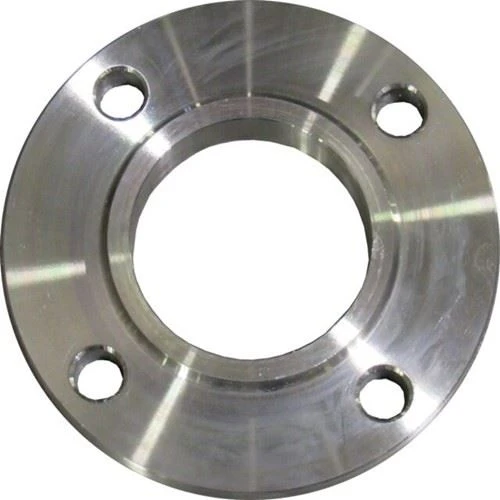
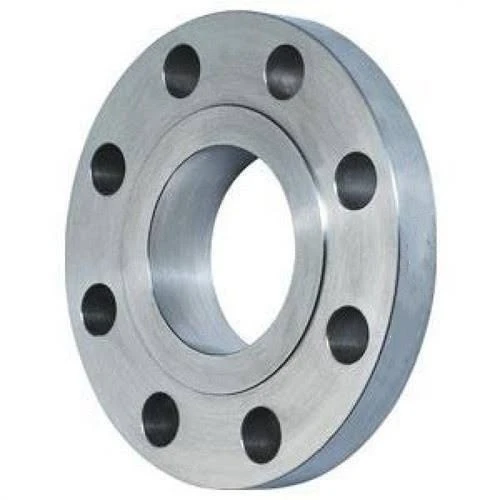
Welded neck flanges come with different face types, such as flat face (FF), raised face (RF), and ring joint face (RTJ). Each face type requires a specific gasket design. For a flat face flange, a full-face gasket is typically used as it covers the entire flange face. A raised face flange, on the other hand, works well with a gasket that has a matching raised portion to fit into the flange's raised area. Ring joint face flanges use ring gaskets that are designed to fit into the grooves of the flange face.
Size and Thickness
Getting the right size and thickness of the gasket is crucial for a proper seal. The gasket should fit precisely within the flange bolts and cover the entire sealing area. If the gasket is too small, it won't provide a proper seal, and if it's too large, it can get damaged during installation. The thickness of the gasket also affects its performance. A thicker gasket can compensate for minor irregularities in the flange surface, but it might require more compression force.
Industry Standards
It's essential to follow industry standards when selecting a gasket for your welded neck flange. Standards like ASME B16.20 and API 6A provide guidelines on gasket dimensions, materials, and performance requirements. By adhering to these standards, you can ensure that your gasket will perform as expected and meet the safety and quality requirements of your industry.
Some Popular Gasket Options
There are several types of gaskets available in the market, each with its own advantages and disadvantages. Let's take a look at some of the popular ones:
- Spiral Wound Gaskets: These gaskets are made by winding a metal strip and a filler material together in a spiral pattern. They're known for their excellent sealing performance, especially in high-pressure and high-temperature applications. You can check out our Class 150 Ansi B16.5 Flange which can be used in conjunction with spiral wound gaskets.
- Compressed Fiber Gaskets: Made from compressed fibers like asbestos (although asbestos is now being phased out due to health concerns) or non-asbestos materials, these gaskets are relatively inexpensive and suitable for low to medium-pressure applications.
- PTFE Gaskets: PTFE gaskets are highly resistant to chemicals and have a low coefficient of friction. They're often used in applications where cleanliness and chemical resistance are important.
- Graphite Gaskets: Graphite gaskets are known for their high-temperature resistance and excellent sealing properties. They're commonly used in applications involving steam, hot water, and high-temperature gases.
Installation Considerations
Even if you've selected the perfect gasket, improper installation can lead to leakage. Make sure to clean the flange faces thoroughly before installing the gasket to remove any dirt, debris, or old gasket material. Use the correct torque when tightening the flange bolts to ensure even compression of the gasket. Over-tightening can damage the gasket, while under-tightening can result in leakage.
Conclusion
Determining the correct gasket for a welded neck flange is a complex process that requires careful consideration of various factors. By taking into account the flange material, pressure and temperature ratings, fluid compatibility, flange face type, size and thickness, and industry standards, you can select a gasket that will provide a reliable and long-lasting seal.
If you're in the market for welded neck flanges or need help with gasket selection, don't hesitate to reach out. We're here to assist you in finding the right products for your specific needs. Whether you're looking for a Class 150 Ansi B16.5 Flange, a 304 Stainless Steel Threaded Pipe Flange, or a Sch40 Pipe Elbow 45 Degree, we've got you covered. Let's start a conversation and find the best solutions for your projects.
References
- ASME B16.20 - Metallic Gaskets for Pipe Flanges: Ring - Joint, Spiral - Wound, and Jacketed
- API 6A - Specification for Wellhead and Christmas Tree Equipment