

How to choose the right A105 Steel Elbow for my project?
Sep 04, 2025
Hey there! As a supplier of A105 Steel Elbows, I've seen firsthand how crucial it is to pick the right one for your project. In this blog, I'm gonna share some tips to help you make that choice.
Understanding A105 Steel Elbows
First off, let's talk a bit about what A105 steel elbows are. A105 is a standard for forged carbon steel piping components. These elbows are commonly used in various industries like oil and gas, power generation, and chemical processing. They're known for their good strength, ductility, and weldability.
Factors to Consider When Choosing
1. Size and Dimensions
The size of the elbow is super important. You need to know the nominal pipe size (NPS), which is a standard sizing system for pipes in North America. For example, if you're working on a plumbing project at home or in a small commercial building, a smaller - sized elbow might be enough. But in industrial settings, larger sizes are often required.
You also have to consider the wall thickness. The wall thickness affects the pressure - bearing capacity of the elbow. Thicker walls can handle higher pressures, so in high - pressure systems like oil pipelines, you'll need elbows with a greater wall thickness.
2. Bend Angle
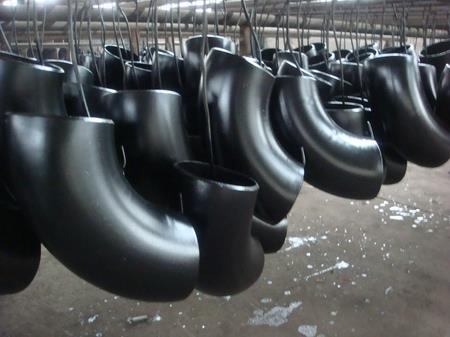
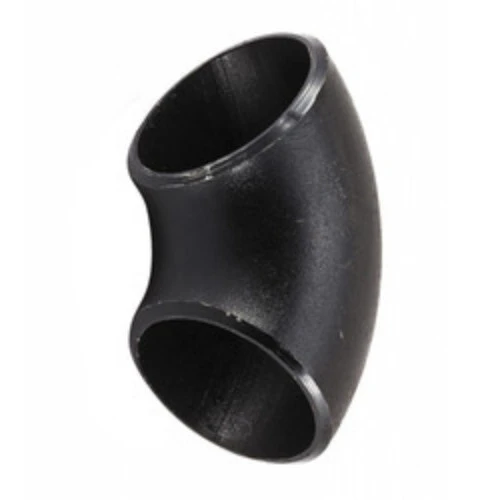
Elbows come in different bend angles, with 90 - degree and 45 - degree being the most common. A 90 - degree elbow is great for making sharp turns in a pipeline, like when you need to change the direction of flow by a right angle. On the other hand, a 45 - degree elbow is used for more gradual changes in direction. It can reduce the pressure drop in the system compared to a 90 - degree elbow.
3. End Connection
There are several types of end connections for A105 steel elbows. The most common ones are butt - weld, socket - weld, and threaded connections.
- Butt - weld connections are used when you need a strong, leak - proof joint. They're often used in high - pressure and high - temperature applications.
- Socket - weld connections are easier to install and are suitable for smaller - sized pipes and lower - pressure systems.
- Threaded connections are convenient for quick installation and disassembly, but they may not be as strong as butt - weld or socket - weld connections.
4. Quality and Standards
It's essential to ensure that the A105 steel elbow you choose meets the relevant industry standards. For example, ASME B16.9 is a widely recognized standard for factory - made wrought buttwelded fittings, including elbows. Elbows that meet these standards are more likely to perform well and be reliable in your project.
Comparing with Other Carbon Steel Elbows
There are other types of carbon steel elbows in the market too. For instance, the Carbon Steel LR Elbow SCH40 DN80 and the Q235 Carbon Steel Elbow.
The Carbon Steel LR Elbow SCH40 DN80 has its own specific features. The LR stands for long radius, which means it has a longer centerline radius compared to a standard elbow. This can be beneficial in reducing pressure drop and minimizing turbulence in the pipeline.
The Q235 Carbon Steel Elbow is made from Q235 steel, which has different chemical and mechanical properties compared to A105 steel. Q235 steel is a common carbon structural steel and is often used in general construction and mechanical engineering applications.
Another option is the CARBON STEEL ASME B16.9 SCH40 90D ELBOWS. These elbows strictly adhere to the ASME B16.9 standard, ensuring high - quality and reliable performance.
Cost Considerations
Cost is always a factor when choosing any component for your project. A105 steel elbows can vary in price depending on their size, wall thickness, and the manufacturer. While it might be tempting to go for the cheapest option, remember that quality is important. A low - cost elbow that doesn't meet the required standards can lead to problems like leaks, failures, and costly repairs in the long run.
Installation and Maintenance
Proper installation is crucial for the performance of the A105 steel elbow. Make sure to follow the manufacturer's instructions and use the right tools and techniques. For example, when butt - welding an elbow, the welding process should be done by a qualified welder to ensure a strong joint.
Maintenance is also important. Regular inspections can help detect any signs of corrosion, wear, or damage. If you notice any issues, it's best to address them promptly to avoid further problems.
Conclusion
Choosing the right A105 steel elbow for your project involves considering several factors like size, bend angle, end connection, quality, and cost. By taking the time to understand these factors and comparing different options, you can make an informed decision.
If you're in the market for A105 steel elbows or have any questions about which one is right for your project, don't hesitate to reach out. I'm here to help you find the perfect fit for your needs. Whether it's a small - scale project or a large industrial application, I've got the expertise and the products to support you. So, let's start a conversation and get your project on the right track!
References
- ASME B16.9 Standard for Factory - Made Wrought Buttwelded Fittings
- Industry guidelines on carbon steel piping components