

How does the weight of 30K Soh Flange affect its installation?
Jul 23, 2025
The weight of a 30K Soh Flange is a crucial factor that significantly impacts its installation process. As a supplier of 30K Soh Flanges, I have witnessed firsthand how the weight of these components can pose both challenges and considerations during the installation phase. In this blog post, I will delve into the various ways in which the weight of a 30K Soh Flange affects its installation, providing insights and practical tips for a smooth and successful installation process.

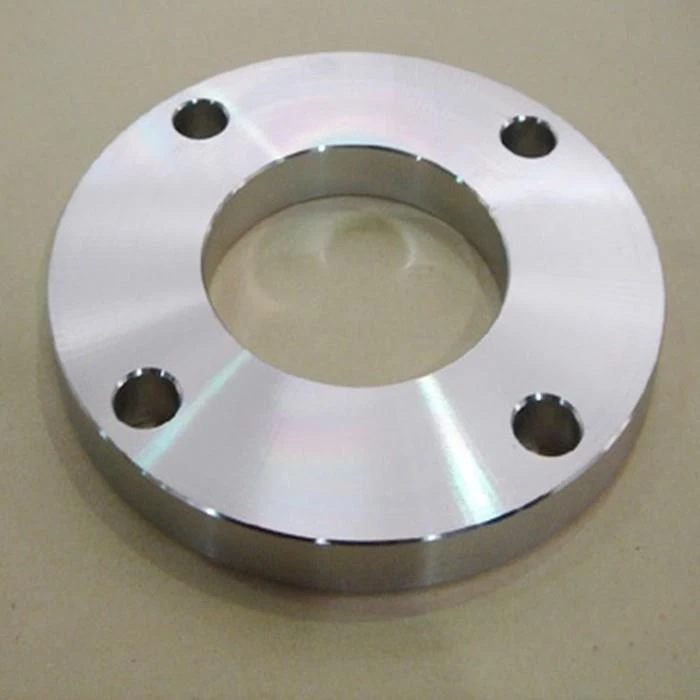
Understanding the 30K Soh Flange
Before we explore the impact of weight on installation, let's first understand what a 30K Soh Flange is. A 30K Soh Flange is a type of steel flange that conforms to the JIS B2220 standard. The "30K" refers to the pressure rating of the flange, indicating that it is designed to withstand a maximum pressure of 30 kilograms per square centimeter. The "Soh" stands for "slip-on hub," which means that the flange has a hub that slips over the pipe and is then welded in place.
30K Soh Flanges are commonly used in high-pressure piping systems, such as those found in oil and gas refineries, chemical plants, and power generation facilities. They are known for their durability, strength, and ability to withstand extreme temperatures and pressures. However, their weight can also present challenges during installation, especially in situations where the flanges need to be lifted, positioned, and secured in place.
Impact of Weight on Lifting and Handling
One of the most significant ways in which the weight of a 30K Soh Flange affects its installation is during the lifting and handling process. These flanges can be quite heavy, depending on their size and material composition. For example, a large-diameter 30K Soh Flange made of stainless steel can weigh several hundred pounds or more.
The weight of the flange makes it difficult to lift and maneuver manually, especially in confined spaces or areas with limited access. As a result, specialized lifting equipment, such as cranes, hoists, or forklifts, is often required to safely lift and position the flanges. This equipment must be properly rated and operated by trained personnel to ensure the safety of the workers and the integrity of the flanges.
In addition to the weight of the flange itself, the weight of the associated piping and equipment must also be taken into account during the lifting and handling process. The combined weight of the flange, pipe, and any other components can exceed the capacity of the lifting equipment, leading to potential safety hazards. Therefore, it is essential to conduct a thorough weight analysis and ensure that the lifting equipment is capable of handling the total weight of the load.
Impact of Weight on Positioning and Alignment
Another important consideration when installing a 30K Soh Flange is its weight and how it affects the positioning and alignment of the flange. The weight of the flange can cause it to sag or shift during installation, which can lead to misalignment and improper sealing. This can result in leaks, reduced efficiency, and potential safety hazards.
To ensure proper positioning and alignment of the flange, it is essential to use appropriate support and alignment tools. These tools can include flange alignment guides, jacks, and wedges, which help to hold the flange in place and ensure that it is properly aligned with the pipe and other components. The weight of the flange must also be evenly distributed to prevent sagging or shifting.
In addition to using support and alignment tools, it is also important to follow the manufacturer's installation instructions and guidelines. These instructions typically provide specific recommendations for the installation of the flange, including the proper torque values for the bolts and the use of gaskets or other sealing materials. By following these instructions, you can ensure that the flange is installed correctly and that it provides a reliable and leak-free connection.
Impact of Weight on Bolting and Tightening
The weight of a 30K Soh Flange can also affect the bolting and tightening process. The bolts used to secure the flange must be properly tightened to ensure a tight seal and prevent leaks. However, the weight of the flange can make it difficult to apply the correct amount of torque to the bolts, especially in situations where the flange is large or heavy.
To ensure proper bolting and tightening, it is essential to use a torque wrench or other calibrated tool to apply the correct amount of torque to the bolts. The torque values for the bolts are typically specified by the manufacturer and depend on the size and material of the flange, as well as the type of gasket or sealing material used. By using a torque wrench, you can ensure that the bolts are tightened to the correct torque values and that they provide a reliable and leak-free connection.
In addition to using a torque wrench, it is also important to follow the proper bolting sequence. The bolting sequence typically involves tightening the bolts in a specific pattern to ensure that the flange is evenly compressed and that the gasket or sealing material is properly seated. By following the proper bolting sequence, you can prevent uneven loading and ensure that the flange provides a reliable and leak-free connection.
Impact of Weight on Structural Integrity
Finally, the weight of a 30K Soh Flange can also affect its structural integrity and the overall performance of the piping system. The weight of the flange can cause additional stress and strain on the piping and other components, especially in situations where the flange is installed in a high-pressure or high-temperature environment.
To ensure the structural integrity of the piping system, it is essential to use flanges that are properly rated and designed for the specific application. The flanges must be made of high-quality materials and manufactured to strict quality standards to ensure their strength and durability. In addition, the piping and other components must be properly supported and reinforced to withstand the additional stress and strain caused by the weight of the flange.
Conclusion
In conclusion, the weight of a 30K Soh Flange is a crucial factor that significantly impacts its installation process. The weight of the flange can pose challenges during the lifting and handling, positioning and alignment, bolting and tightening, and structural integrity of the piping system. However, by understanding these challenges and taking appropriate measures to address them, you can ensure a smooth and successful installation process.
As a supplier of 30K Soh Flanges, I am committed to providing high-quality products and excellent customer service. If you have any questions or need assistance with the installation of a 30K Soh Flange, please do not hesitate to [contact us for procurement discussion]. Our team of experts is available to provide you with the information and support you need to ensure a successful installation.
References
- ASME B16.5 - Pipe Flanges and Flanged Fittings
- JIS B2220 - Steel Pipe Flanges
- API 6A - Specification for Wellhead and Christmas Tree Equipment