

Can SR Elbow be self - diagnosed?
Dec 08, 2025
Self - diagnosis is a common practice in many aspects of our lives, from simple health issues to mechanical problems. When it comes to SR Elbow, a crucial component in piping systems, the question arises: Can SR Elbow be self - diagnosed? As a supplier of SR Elbow, I have witnessed various scenarios where customers attempt to diagnose issues on their own. In this blog, I will explore the feasibility of self - diagnosing SR Elbow problems, the factors involved, and the limitations one might face.
Understanding SR Elbow
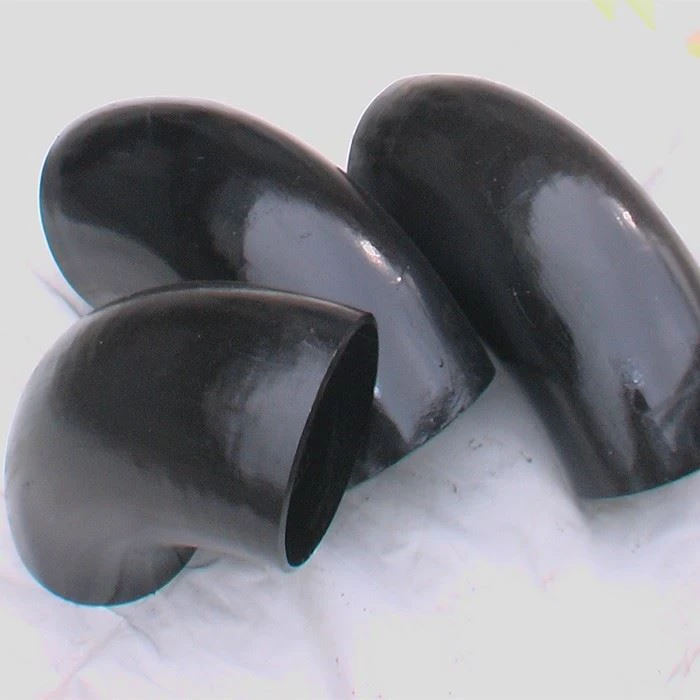
Before delving into self - diagnosis, it's essential to understand what an SR Elbow is. SR stands for Short Radius, and an SR Elbow is a type of pipe fitting that changes the direction of the flow in a piping system. It is commonly used in applications where space is limited, as it has a shorter radius compared to a Long Radius (LR) elbow. SR Elbows are available in different materials, such as carbon steel, stainless steel, and alloy steel, and come in various sizes and degrees of bend, with the Carbon Steel 90 Degree Elbow being a popular choice.
Signs That Might Indicate SR Elbow Issues
There are several signs that can suggest an SR Elbow is experiencing problems. These signs can be broadly categorized into visual and functional.
Visual Signs
- Corrosion: One of the most obvious visual signs is corrosion. Over time, exposure to moisture, chemicals, or harsh environments can cause the surface of the SR Elbow to corrode. This can manifest as rust, pitting, or discoloration. If you notice any of these signs on the elbow, it could be an indication of a problem.
- Cracks or Leaks: Physical damage such as cracks or leaks is another clear sign. Cracks can occur due to excessive pressure, improper installation, or material fatigue. Leaks, on the other hand, can be identified by the presence of water or fluid around the elbow joint.
Functional Signs
- Flow Restrictions: A decrease in the flow rate of the fluid or gas passing through the piping system can be a sign of an issue with the SR Elbow. This could be due to blockages inside the elbow, such as debris or scale buildup.
- Noise or Vibration: Unusual noise or vibration in the piping system can also indicate problems with the SR Elbow. This could be caused by improper alignment, loose fittings, or internal damage to the elbow.
Self - Diagnosis Process
If you suspect an issue with an SR Elbow, you can follow these steps to attempt a self - diagnosis.
Visual Inspection
- External Examination: Start by visually inspecting the SR Elbow from the outside. Look for signs of corrosion, cracks, or leaks as mentioned earlier. Pay close attention to the joints and connections, as these are common areas for problems to occur.
- Internal Inspection: If possible, inspect the inside of the SR Elbow. This can be done using a borescope or by removing the elbow from the piping system. Check for blockages, scale buildup, or any signs of damage.
Functional Testing
- Flow Testing: Measure the flow rate of the fluid or gas passing through the piping system. Compare it to the normal flow rate to determine if there is a significant decrease. You can use flow meters or other appropriate measuring devices for this purpose.
- Pressure Testing: Check the pressure in the piping system. Abnormal pressure readings can indicate problems with the SR Elbow, such as blockages or leaks. Pressure gauges can be used to monitor the pressure.
Limitations of Self - Diagnosis
While self - diagnosis can be a useful first step, it has its limitations.
Technical Knowledge
Diagnosing SR Elbow problems requires a certain level of technical knowledge. Understanding the principles of fluid dynamics, material properties, and piping system design is essential to accurately identify and interpret the signs of an issue. Without this knowledge, it can be difficult to make an accurate diagnosis.
Equipment Limitations
Self - diagnosis often relies on basic tools and equipment. More advanced diagnostic techniques, such as non - destructive testing (NDT) methods like ultrasonic testing or radiographic testing, may be required to detect internal damage or defects that are not visible to the naked eye. These techniques require specialized equipment and trained personnel.
Safety Risks
Attempting to diagnose SR Elbow problems can pose safety risks. Working with pressurized piping systems can be dangerous, and improper handling can lead to accidents such as leaks, explosions, or injuries. It is important to follow proper safety procedures and, if necessary, seek professional help.
When to Seek Professional Help
Given the limitations of self - diagnosis, there are certain situations where it is advisable to seek professional help.
Complex Issues
If the problem is complex and cannot be easily identified or resolved through self - diagnosis, it is best to consult a professional. For example, if you suspect internal damage to the SR Elbow that cannot be detected through visual inspection or basic functional testing, a professional with access to advanced diagnostic equipment can provide a more accurate diagnosis.
Safety Concerns
If there are safety concerns, such as a suspected leak or high - pressure situation, it is crucial to seek professional help immediately. Professionals are trained to handle these situations safely and can take the necessary steps to prevent accidents.
Warranty and Compliance
If the SR Elbow is still under warranty or if the piping system needs to comply with certain industry standards or regulations, it is recommended to involve professionals. They can ensure that the diagnosis and repair work are carried out in accordance with the warranty terms and industry requirements.
Our Role as an SR Elbow Supplier
As an SR Elbow supplier, we are committed to providing our customers with high - quality products and comprehensive support. We understand that diagnosing and resolving SR Elbow problems can be challenging, and we are here to help.
- Technical Support: Our team of experts can provide technical support to help you diagnose and troubleshoot SR Elbow problems. We can offer advice on installation, maintenance, and repair based on our extensive knowledge and experience in the industry.
- Product Selection: We can assist you in selecting the right SR Elbow for your specific application. Our product range includes a variety of materials, sizes, and degrees of bend, such as the 6 Inch Pipe Cap and Carbon Steel Pipe Fittings Flange, to meet your diverse needs.
- Quality Assurance: We ensure that all our SR Elbows meet the highest quality standards. Our products are manufactured using advanced techniques and undergo rigorous testing to ensure their reliability and performance.
Contact Us for Procurement and Consultation
If you are in the market for SR Elbows or need further assistance with diagnosing or resolving SR Elbow problems, we invite you to contact us. Our dedicated sales team is ready to answer your questions, provide detailed product information, and discuss your specific requirements. Whether you are a small business or a large industrial enterprise, we can offer competitive pricing and customized solutions to meet your needs. Let's start a conversation and find the best SR Elbow solutions for your piping systems.
References
- ASME B16.9 - Factory - Made Wrought Steel Buttwelding Fittings
- ASTM A234 - Standard Specification for Piping Fittings of Wrought Carbon Steel and Alloy Steel for Moderate and High - Temperature Service
- API 5L - Specification for Line Pipe