

Can butt weld elbows be used in pulp and paper mill pipelines?
Jan 05, 2026
Hey there! As a supplier of butt weld elbows, I often get asked if these bad boys can be used in pulp and paper mill pipelines. Well, let's dive right in and find out.
First off, let's talk a bit about what butt weld elbows are. They're basically pipe fittings that are used to change the direction of a pipeline. They're joined to the pipes by welding along the edges, which creates a strong and leak - tight connection. There are different types of butt weld elbows, like 45 - degree and 90 - degree ones, and they come in various materials such as stainless steel, carbon steel, and A105 steel.
Now, let's look at the requirements of pulp and paper mill pipelines. These pipelines are under some unique conditions. The pulp and paper manufacturing process involves handling a lot of different substances. There are corrosive chemicals like sulfuric acid and caustic soda that are used in pulping and bleaching processes. Also, the pipelines have to deal with high - temperature and high - pressure steam, as well as fibrous pulp suspensions.
When it comes to corrosion resistance, stainless steel butt weld elbows are a great option. Stainless steel has a high chromium content, which forms a passive oxide layer on the surface. This layer protects the metal from corrosion, making it suitable for handling the corrosive chemicals in pulp and paper mills. You can check out our Stainless Steel Bends Elbows for more details on the stainless - steel options we offer.
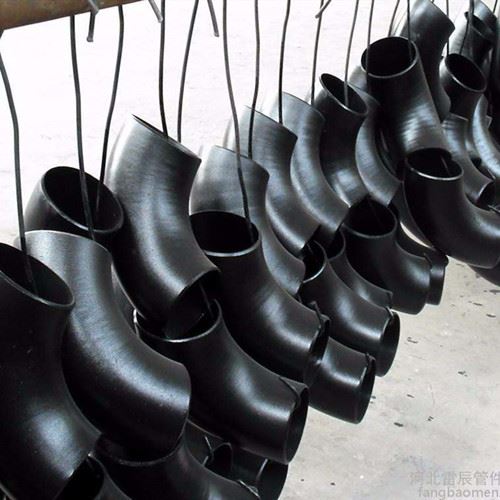
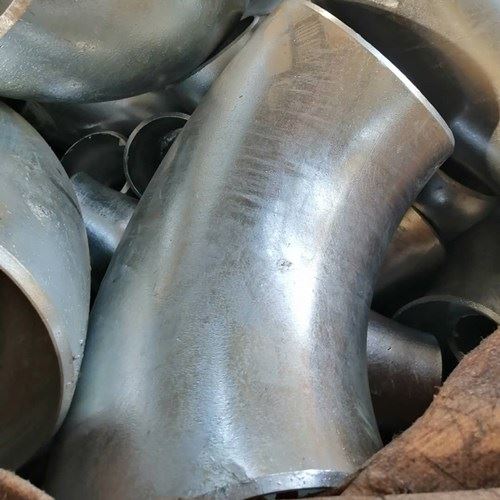
Carbon steel is another common material for butt weld elbows. It's strong and relatively inexpensive. However, carbon steel is more prone to corrosion compared to stainless steel. But if the pipeline is transporting substances that aren't highly corrosive, or if proper corrosion - prevention measures like coatings are applied, carbon steel elbows can work just fine. Our Pipe Fitting Standard Elbow page has more info on the carbon - steel elbow products we have.
A105 steel is a type of carbon steel that's often used in high - temperature and high - pressure applications. It has good strength and toughness at elevated temperatures. In pulp and paper mills, where steam is used for various processes, A105 steel elbows can be a reliable choice. You can learn more about our A105 Steel Elbow offerings.
In terms of mechanical properties, butt weld elbows need to be able to withstand the pressure and stress in the pipeline. The welding process used to join the elbows to the pipes is crucial. A well - executed weld ensures that the joint can handle the forces without failing. Our manufacturing process follows strict quality control measures to make sure that the welds are strong and reliable.
Another factor to consider is the flow characteristics. In pulp and paper pipelines, the fibrous nature of the pulp can cause blockages if the flow isn't smooth. The design of the elbow can affect the flow. A well - designed butt weld elbow with a smooth inner surface can minimize the risk of blockages and ensure a continuous flow of pulp and other substances.
Now, let's talk about installation. Butt weld elbows require proper alignment and welding during installation. It's important to have trained welders who follow the correct procedures. If the installation is done incorrectly, it can lead to leaks, weak joints, and other problems. We can provide some guidance on installation best practices to our customers.
One of the advantages of using butt weld elbows in pulp and paper mill pipelines is their durability. Once properly installed, they can last a long time, reducing the need for frequent replacements. This can save a lot of money in the long run for the mill operators.
However, there are also some challenges. For example, if the pipeline needs to be modified or repaired, welding the elbows can be time - consuming and may require shutting down the pipeline temporarily. But overall, the benefits usually outweigh the drawbacks.
In conclusion, butt weld elbows can definitely be used in pulp and paper mill pipelines. The key is to choose the right material based on the specific requirements of the pipeline, such as the type of substances being transported, the temperature, and the pressure. Whether it's stainless steel for corrosion resistance, carbon steel for cost - effectiveness, or A105 steel for high - temperature applications, we've got you covered.
If you're in the pulp and paper industry and are looking for high - quality butt weld elbows for your pipelines, don't hesitate to reach out. We're here to help you make the right choice and ensure that your pipelines run smoothly. Let's start a conversation about your specific needs and see how our butt weld elbows can fit into your operations.
References:
- ASME B31.3 Process Piping Code
- ASTM Standards for Steel Pipe Fittings