

Can a 45 degree elbow be used in a geothermal system?
Oct 01, 2025
Geothermal systems have gained significant popularity in recent years as an efficient and sustainable way to heat and cool buildings. These systems rely on the stable temperature of the earth to transfer heat, offering a reliable alternative to traditional heating and cooling methods. As a supplier of 45 degree elbows, I often receive inquiries about whether these components can be used in geothermal systems. In this blog post, I will explore the feasibility of using 45 degree elbows in geothermal systems, discussing their benefits, potential challenges, and considerations for installation.
Understanding Geothermal Systems
Before delving into the use of 45 degree elbows in geothermal systems, it is essential to have a basic understanding of how these systems work. Geothermal systems utilize the earth's constant temperature to provide heating and cooling. They typically consist of a ground loop, a heat pump, and a distribution system.
The ground loop is a series of pipes buried underground, either horizontally or vertically, that circulate a heat transfer fluid, usually a mixture of water and antifreeze. The heat transfer fluid absorbs heat from the ground during the winter and releases it into the ground during the summer. The heat pump then transfers the heat from the ground loop to the building's heating and cooling system.
Benefits of Using 45 Degree Elbows in Geothermal Systems
-
Flexibility in Design
One of the primary advantages of using 45 degree elbows in geothermal systems is their flexibility in design. Geothermal ground loops often need to navigate around obstacles such as rocks, tree roots, or existing structures. 45 degree elbows allow for smooth and gradual changes in direction, enabling the ground loop to be installed in a more efficient and space-saving manner. This flexibility can reduce the overall length of the ground loop, potentially lowering installation costs. -
Reduced Pressure Drop
Compared to 90 degree elbows, 45 degree elbows cause less turbulence and pressure drop in the fluid flow. In a geothermal system, minimizing pressure drop is crucial for maintaining efficient operation. A lower pressure drop means that the pump can operate more efficiently, reducing energy consumption and operating costs. Additionally, reduced turbulence can help prevent wear and tear on the pipes and other components of the system, extending their lifespan. -
Improved Fluid Flow
The gradual angle of 45 degree elbows promotes better fluid flow compared to sharp bends. This can enhance the heat transfer efficiency of the geothermal system, as the heat transfer fluid can circulate more smoothly through the ground loop. Improved fluid flow also reduces the risk of air pockets forming in the pipes, which can impede the system's performance.
Potential Challenges and Considerations
-
Material Compatibility
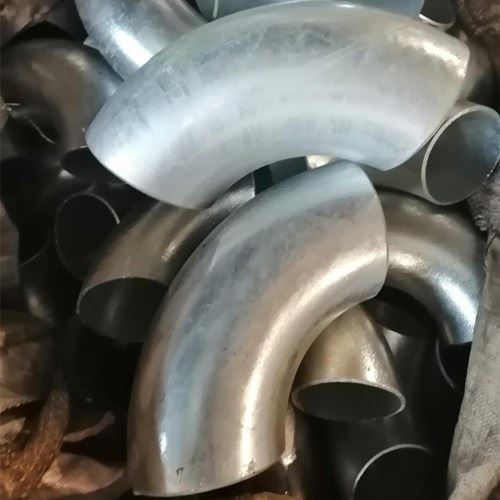
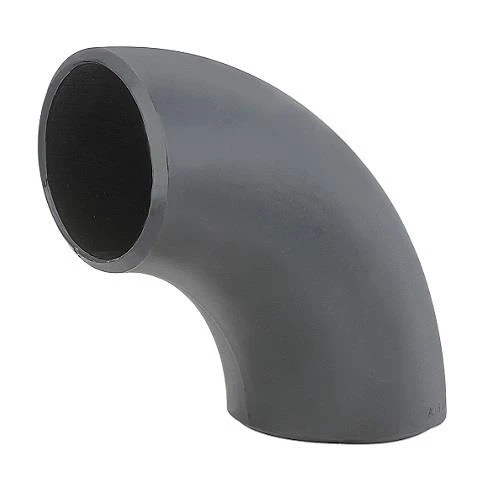
When using 45 degree elbows in a geothermal system, it is essential to ensure that the material of the elbows is compatible with the heat transfer fluid and the other components of the system. Common materials for 45 degree elbows include Stainless Steel Bends Elbows, Q235 Carbon Steel Elbow, and Butt Weld Elbow. Stainless steel is a popular choice due to its corrosion resistance, durability, and compatibility with a wide range of heat transfer fluids. However, the specific material selection should be based on the requirements of the geothermal system and the local environmental conditions. -
Installation Requirements
Proper installation of 45 degree elbows is crucial for the efficient and reliable operation of the geothermal system. The elbows should be installed in accordance with the manufacturer's instructions and industry standards. This includes ensuring proper alignment, sealing, and support of the elbows to prevent leaks and minimize stress on the pipes. Additionally, the installation should be carried out by qualified professionals with experience in geothermal system installation. -
Cost
While 45 degree elbows offer several benefits, they may be more expensive than straight pipes or 90 degree elbows. The additional cost should be weighed against the potential savings in installation costs, energy consumption, and system longevity. In some cases, the use of 45 degree elbows may be justified by the improved performance and efficiency of the geothermal system.
Installation Considerations
-
Proper Alignment
When installing 45 degree elbows in a geothermal system, it is crucial to ensure proper alignment to minimize pressure drop and turbulence. The elbows should be installed in a way that allows for a smooth and continuous flow of the heat transfer fluid. This may require careful measurement and adjustment during the installation process. -
Sealing and Insulation
To prevent leaks and heat loss, the joints between the 45 degree elbows and the pipes should be properly sealed and insulated. This can help maintain the efficiency of the geothermal system and prevent damage to the surrounding environment. -
Support and Bracing
45 degree elbows should be adequately supported and braced to prevent movement and stress on the pipes. This can help prevent leaks and ensure the long-term reliability of the geothermal system.
Conclusion
In conclusion, 45 degree elbows can be a valuable component in a geothermal system. Their flexibility in design, reduced pressure drop, and improved fluid flow make them a suitable choice for navigating around obstacles and optimizing the performance of the ground loop. However, it is essential to consider the material compatibility, installation requirements, and cost when deciding whether to use 45 degree elbows in a geothermal system.
If you are considering using 45 degree elbows in your geothermal system or have any questions about our products, please feel free to contact us. We are a leading supplier of high-quality 45 degree elbows and can provide you with the expertise and support you need to make an informed decision. Our team of professionals is dedicated to helping you achieve the most efficient and reliable geothermal system for your needs.
References
- "Geothermal Heat Pump Systems: Design of Ground Heat Exchangers." ASHRAE Handbook - HVAC Applications.
- "Installation Guide for Geothermal Heat Pump Systems." International Ground Source Heat Pump Association (IGSHPA).
- "Materials Selection for Geothermal Systems." Geothermal Energy Association.